
¿Deberías dar analgésicos a los niños?
Revisado por Dr Colin Tidy, MRCGPEscrito por Karen GordonPublicado originalmente 21 Jul 2019
Cumple con las directrices editoriales
- DescargarDescargar
- Compartir
- Language
- Discusión
- Ask Patient
- Versión en audio
- Agregar a fuentes preferidas en Google
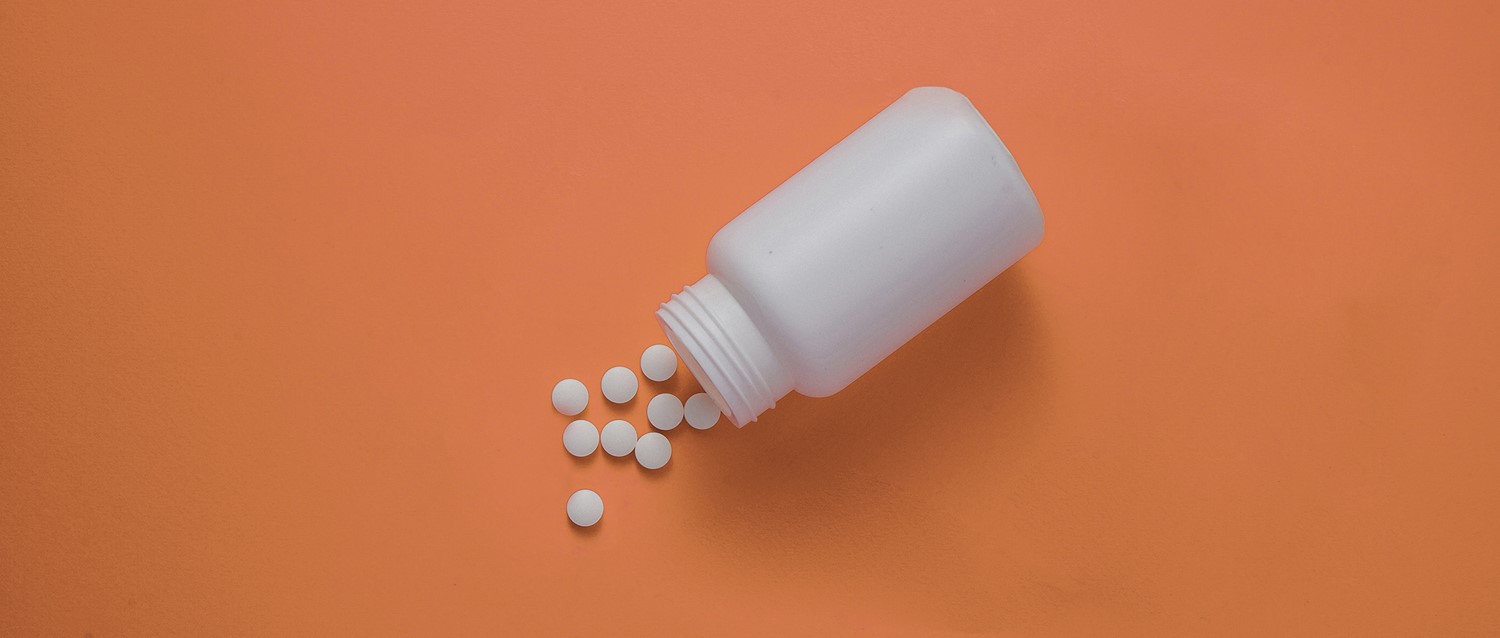
All parents will be familiar with the importance of keeping child painkillers to hand. They can reduce fever, soothe aches and pains and generally help a worried parent when their child is in distress. But how safe is it to give your child painkillers? And should we be concerned about giving them too often?
Explore pain relief options
Reciba asesoramiento sanitario experto desde la comodidad de su hogar. Complete una consulta rápida en línea, disponible las 24 horas del día, los 7 días de la semana, y un profesional sanitario colegiado en el Reino Unido revisará su solicitud. Hay entrega al día siguiente disponible para los tratamientos que cumplan los requisitos.

Selecciones de videos para Información sobre medicamentosBiblioteca de videos
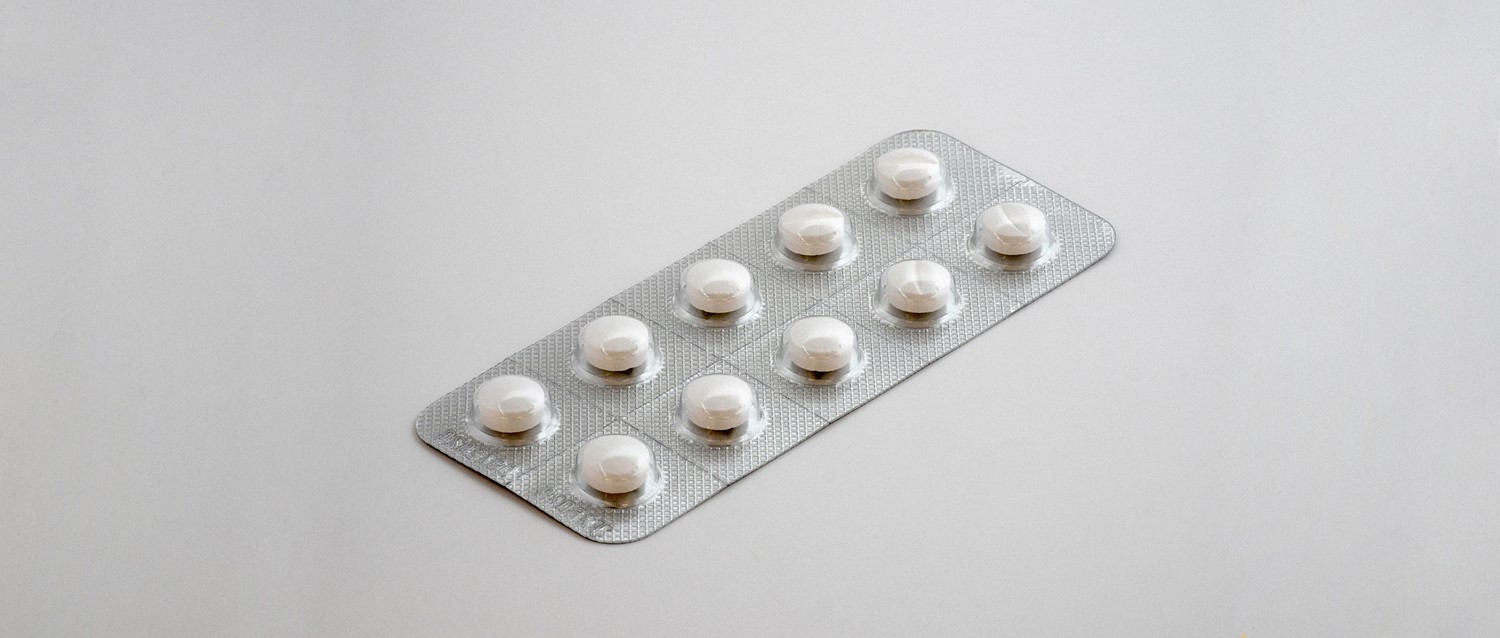
Ambos paracetamol y ibuprofeno are safe and effective analgésicos for the vast majority of children when they aren't feeling well. Paracetamol can be given from two months, as long as they were born after 37 weeks and weigh more than four kilograms, and ibuprofen can be given from three months, provided the child weighs more than five kilos.
If your child has a mild illness where they are distressed, uncomfortable or in a significant amount of pain, Dr Rohini Bajaj, consultant paediatrician at the Royal Manchester Children's Hospital and member of the Royal College of Paediatrics and Child Health, recommends giving paracetamol or ibuprofen. "This would be with or without a temperature," she says.
If your child has a fiebre, it may be tempting to reduce it by giving them paracetamol or ibuprofen. But if your child is otherwise happy and comfortable, there's no reason to give it, explains Bajaj. “We are now going with the attitude that if a fever is not causing the child any distress, we would not give anything and let the temperature come down itself.”
A fever is one of the ways that the body's immune system fights an infection. If a child is otherwise well with it, bringing a temperature down is not going to do anything, she says. "Of course, if your child feels unwell, distressed or in pain, we would advise you to use painkillers. And if the child is under three months of age, I'd advise they see a doctor."
There are some instances where you should seek further help by seeing your GP, contacting an advice service like NHS 111 (if in the UK) or going to A&E, if it's an emergency. According to Bajaj, the important signs to look for in your child include:
Breathing very quickly.
Putting a lot of effort into their breathing - so drawing in their ribs or top of neck.
Drowsiness or being unable to wake up.
A rash that doesn't fade when you press on it.
Refusing all fluids.
A fever that has lasted five days or more.
Which painkiller should you use?
The painkiller you choose to give your child will depend on what's going on, says Dr Tim Ubhi, consultant paediatrician and founder of the Children’s e-Hospital.
"Problems such as toothache, or where there is a lot of inflammation, respond well to ibuprofen. Simple colds with low-grade fever can be managed with paracetamol," says Ubhi.
Paracetamol is now recommended when your baby is given the meningitis B vaccination at eight and 16 weeks because there is a high risk of developing a fever.
Never give your child both painkillers at the same time though. However, it's possible to alternate them if your baby's symptoms come back before the next dose. Ubhi explains: "For a mild illness, we usually recommend starting with paracetamol and then if needed add ibuprofen after an hour."
The painkillers to avoid giving children
Children under 16 years should never be given aspirina, according to Bajaj. "There's a risk of a serious but rare condition called Reye's syndrome, which basically causes brain and liver damage," she says.
She also recommends avoiding codeína in children. "Codeine gets broken down into morphine and in some children, they're at risk of breaking it down too quickly and you get a kind of toxic effect. The most serious toxic effect is respiratory depression, where you will stop breathing.
"The advice at the moment is that you can use it in over-12s cautiously, and only if paracetamol and ibuprofen haven’t worked. It's important that it isn't used in children under 18 if they have had their tonsils or adenoids removed for a condition called apnea del sueño, a condition where they stop breathing at night."
The dangers of pain relief in children
It's natural for parents to worry about using painkillers in children. "Each painkiller has got its own side-effects and problems if you reach a toxic level. So, with paracetamol, if you give too much, it can cause liver damage and in rare cases kidney failure as well. But this is only if you're going over the recommended dose."
Always check the manufacturer's guidelines and make sure you don't give your child another medicine with paracetamol in it as there is a risk of overdose.
Ibuprofen can also have side-effects. "It can cause inflammation to your child's stomach lining and should not be given when your child has virus de la varicela because it may lead to an increased risk of serious skin infection - a condition called fascitis necrosante," says Bajaj.
She adds that your child shouldn’t take Ibuprofen if he or she has asthma either - because it can cause problems with the airways as well as liver or kidney problems.
In rare cases, your child may have an reacción alérgica to paracetamol or ibuprofen. If you notice symptoms of an allergic reaction, including wheezing, a skin rash, tightness in the chest or throat and swelling of the face, mouth or lips, take your child immediately to A&E or call an ambulance.
Selecciones del paciente para Información sobre medicamentos
Tratamiento y medicación
¿Por qué no me recetaron antibióticos?
Many common infections are caused by germs called viruses. Antibiotic medicines do not kill viruses. Also, many infections caused by germs called bacteria do not need antibiotics. These infections often get better without antibiotic treatment. Excessive use of antibiotics may allow the germs to become resistant to the antibiotic medicines, so that they will not work when they really are needed. They may also sometimes cause side-effects. This is why antibiotics are not prescribed for many infections.
por la Dra. Mary Harding, MRCGP
Tratamiento y medicación
Dónde obtener medicamentos en una emergencia
Según una encuesta, sorprendentemente 1 de cada 10 personas visita urgencias para obtener medicamentos si se les acaban. Todos llevamos vidas ocupadas, pero los servicios de emergencia están bajo una gran presión y demasiadas visitas de este tipo pueden causar retrasos serios en el tratamiento de personas que están gravemente enfermas. Si estás tomando medicación de forma continua, sabrás cuándo recoger tu receta exactamente cuándo se te va a acabar. Entonces, ¿cómo puedes evitar añadir presión a los servicios de urgencias ya sobrecargados?
por la Dra. Sarah Jarvis
Sobre el autorVer biografía completa
Escrito por

Karen Gordon
Freelance Journalist
NCTJ
Karen es una periodista freelance calificada por NCTJ con un interés especial en la salud.
Acerca del revisorVer biografía completa

Dr Colin Tidy, MRCGP
Médico General, Autor Médico
MBBS, MRCGP, MRCP (Paediatrics), DCH
El Dr. Colin Tidy es un médico del NHS, con sede en Oxfordshire.
Historial del artículo
Artículo también disponible en Inglés, Alemán, Español, Francés, Italiano, Portugués, Hindi, Hebreo, Árabe, y Sueco.
21 Jul 2019 | Publicado originalmente
Escrito por:
Karen GordonRevisado por
Dr Colin Tidy, MRCGP
Comparte tus pensamientos o experiencias con otros en nuestro comunidades de pacientes.
Suscríbete al boletín de Patient
Tu dosis semanal de consejos de salud claros y confiables, escritos para ayudarte a sentirte informado, seguro y en control.
Al suscribirte aceptas nuestros Política de Privacidad. Puedes darte de baja en cualquier momento. Nunca vendemos tus datos.