Air pollution and asthma: how to protect yourself this summer
Peer reviewed by Dr Krishna Vakharia, MRCGPAuthored by Amberley DavisOriginally published 13 Jun 2024
Meets Patient’s editorial guidelines
- DownloadDownload
- Share
- Language
- Discussion
- Audio Version
- Add to preferred sources on Google
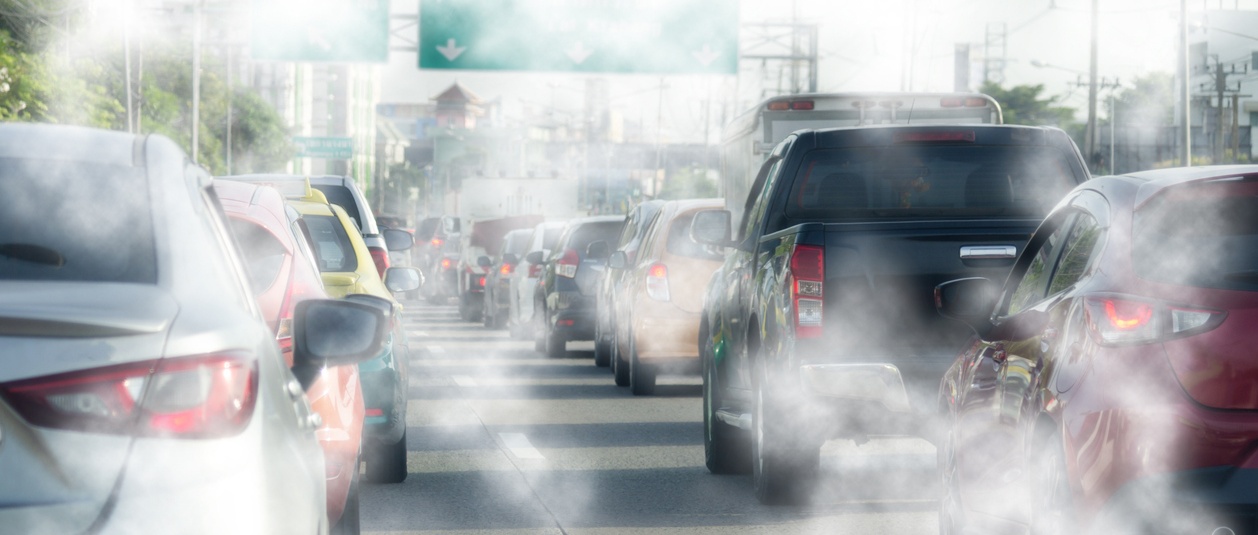
The air we live and breathe in contains tiny particles from the world around us - from car fumes and uprooted dust on construction sites to the airborne chemicals in spray deodorants and cleaning products. High levels in summer can be particularly dangerous for our lungs. Here we explore air pollution and asthma, with expert tips on how to limit your exposure in the city.
A planet and people problem: what is air pollution?
Air pollution refers to the airborne particles created by human activities, like factory smoke and car fumes.
There are many examples of air pollutants. Some can be visible, like cigarette smoke, while others are invisible, like microplastics. Even the paints and cleaning products we use can release volatile organic compounds (VOCs) into the air around us. Just as these tiny but toxic particles are damaging the planet, they're also a danger to us.
In 2023, the concentration of fine particulate matter was 1.5 times the safe clean air quality levels set out by the World Health Organization1. These are particles small enough to travel deep into your lungs, causing short-term symptoms like breathing problems, sneezing, coughing, and throat and lung irritation. In the long-term, they can cause serious and possibly life-threatening health issues - including asthma.
Can air pollution affect asthma?
Not only is air pollution a trigger for people with asthma - it can also cause children and adults to develop this common lung condition. The experts explain:
Dr Hussain Ahmad, consultant practitioner at Click2Pharmacy, says: "Air pollution can affect people with existing asthma by irritating their airways, making it harder for them to breathe. It can even trigger asthma attacks."
Dr Kristie Ross, associate professor at Case Western Reserve University, Ohio, US, says: "Long term air pollution can reduce lung growth in children. This can result in life-long problems with how those lungs work, increasing the chance that this person develops asthma."
Am I safe in adulthood?
If you've reached adulthood with healthy lungs, you're still not safe from asthma - especially if you're exposed to air pollution.
"There are a lot of things that influence who will develop asthma, and air pollution from traffic and industry is an important one," says Dr Ross. "This risk is especially true for people who have other risk factors; family history of asthma and allergies, personal history of environmental allergies or eczema, prematurity, exposure to second hand smoke or personal smoking.
"There have been more studies linking air pollution and asthma in children, but air pollution is a risk factor for adults as well2,3."
No one can avoid air pollution completely. When experts talk about air pollution and asthma, they are mostly referring to long-term exposure in areas where air quality is especially poor: "particularly if you live in a built-up area with a lot of traffic," says Dr Ahmad.
Is air pollution worse in summer?
"Air pollution levels tend to be highest in the summer," says Dr Ross. Specifically, ground-level ozone and particle pollution can reach dangerous levels on hot days.
Ground level ozone
Created by chemical reactions between oxides of nitrogen (NOx) and volatile organic compounds (VOCs) in the air.
This happens when sunlight reacts with pollutants, including from cars and power plants.
It can be visible when it's the main ingredient in smog.
Hot, sunny weather accelerates these reactions.
Particle pollution
A mixture of solid and liquid droplets suspended in the air.
Can be made up of acids, inorganic compounds, organic chemicals, pollen, mould spores, soot, dust, metals, and soil.
Many things contribute toward it, including construction work and car fumes.
Hot, humid days with stagnant air allow the particles to build up.
In July 2022, the UK experienced a record-breaking heatwave. During this time, air pollution levels rose sharply to dangerous levels according to the National Centre for Atmospheric Science. There's a growing body of evidence that deaths caused by respiratory diseases, like asthma, increase when temperatures are high and air pollution is increased4.
City dweller? How to limit your air pollution exposure this summer
Dr Hussain's tips for everyone:
Avoid heavy traffic areas as much as possible, especially during rush hour.
Keep your windows closed at home and in the car when air quality is poor.
Consider wearing a mask in high-pollution areas to reduce how much you inhale.
Check the air quality index in your area for the UK here, and here for the US.
Dr Ross' tips for people with asthma, COPD, lung disease, or heart disease:
Check the air quality where you are regularly. If it is in the orange or red zones, people with these long-term conditions should limit exercise outside.
On days of poor air quality, keep windows closed, use air conditioners, and HEPA filters.
If your doctor has prescribed preventative medications, take them as directed.
Keep your quick relief inhaler with you at all times.
Further reading
Patient picks for Pollution

General health and lifestyle
Air pollution in major cities for lungs is as bad as smoking 20 cigarettes a day
Long-term exposure to air pollution can worsen lung disease as much as smoking a pack of cigarettes every day for 29 years.
by Ashwin Bhandari

General health and lifestyle
The effect of air pollution on asthma sufferers
Asthma is a common, long-term lung condition that causes inflammation and narrowing of your airways, leading to symptoms such as shortness of breath, wheezing, chest tightness, and coughing. Air pollution can irritate your airways, making your asthma worse. We look at what you can do to ease symptoms and better manage your asthma when pollution is high.
by Lawrence Higgins
About the authorView full bio

Amberley Davis
Senior writer
BA (Hons), CPD
Amberley is a senior writer with Patient and has written extensively on a range of health and wellbeing topics.
About the reviewerView full bio

Dr Krishna Vakharia, MRCGP
Chief Medical Officer for Health, Optum UK
MBChB, MRCGP(2013), BMedSci (hons), DFSRH, DRCOG, PGDipDerm (Distn)
Dr Krishna Vakharia is an NHS GP. She is also a regular examiner for the postgraduate Diploma in Practical Dermatology at Cardiff University as well as being the Chief Medical Officer for health at Optum UK.
Article history
Article also available in English, German, Spanish, French, Italian, Portuguese, Hindi, Hebrew, Arabic, and Swedish.
Next review due: 13 Jun 2027
13 Jun 2024 | Originally published
Authored by:
Amberley DavisPeer reviewed by
Dr Krishna Vakharia, MRCGP
Join the conversation
Share your thoughts or experiences with others in our patient communities.

Ask, share, connect.
Browse discussions, ask questions, and share experiences across hundreds of health topics.

Feeling unwell?
Assess your symptoms online for free
Sign up to the Patient newsletter
Your weekly dose of clear, trustworthy health advice - written to help you feel informed, confident and in control.
By subscribing you accept our Privacy Policy. You can unsubscribe at any time. We never sell your data.
More in general health and lifestyle
- Are skincare products putting you at risk of sunburn?
- Are your Christmas decorations triggering your allergies?
- Can cold weather make you ill? And other winter myths
- Clinical trials - helping to keep your medicines safe.
- Cost of living crisis: is our health paying the price?
- Do Blue Zones hold the secrets to a longer life?
- How does climate change affect mental health?
- How to deal with empty nest syndrome at Christmas
- How to manage COPD during winter
- How to protect your heart during the winter
- How to treat sunburn blisters
- How your diet can help prevent type 2 diabetes
- Itchy skin at night this summer? Here's why
- Managing grief during your first Christmas without a loved one
- Neighbourhood health: What the NHS changes could mean for your care
- Spider veins: why is winter leg care so important?
- The NHS 10 year health plan explained
- What can you do to help prevent arthritis?
- What is peer support and how can it help you?