Plastic free July: should we be worried about microplastics?
Peer reviewed by Dr Krishna Vakharia, MRCGPAuthored by Amberley DavisOriginally published 4 Jul 2024
Meets Patient’s editorial guidelines
- DownloadDownload
- Share
- Language
- Discussion
- Audio Version
- Add to preferred sources on Google
What do testicles, clouds, beer and arctic ice all have in common?
These are all places you might find microplastics, if you were a scientist with the right equipment to detect these tiny pieces of plastic, measuring below 5 millimetres. Over the last 20 years, microplastics have been discovered all around us, and now inside us too. It's thought we consume around 5 grams of microplastic particles every week - equivalent to the weight of a credit card. But what does this mean for our health? Here's what we currently know.
What are microplastics?
Plastics have entered every environment on earth as consumer products and industrial waste. Plastic pollution can do a lot of environmental harm and witnessing it - like seeing plastic bags in the ocean - can be emotive. But what about the tiny pieces we can't see when disposed plastic breaks down?
Called microplastics, we now know that these disintegrated synthetic pieces - usually invisible to the naked eye - are all around us: in our tap water, our food, and the air in our homes. Thanks to recent research on human body tissues, we also know that microplastics have found their way into us.
Everyday plastics found in humans
Professor Jeanette Rotchell studies microplastics in the body: "Myself and others have found a variety of plastic polymers in human tissues - as many as 20 different types, but it depends on the detection method used and the quality control measures. The common ones include:
Polyethylene (PE) - commonly used to make plastic bags and bottles.
Polypropylene (PP) - commonly used in food packaging and car manufacturing.
Polyethylene terephthalate (PET) - commonly used in textiles and packaging.
Ethylene propylene diene (EPDM) - a rubber with many uses including door sealing.
Polytetrafluoroethylene (PTFE) - commonly used in pesticides and to coat cookware.
Polystyrene - used in a variety of consumer products, including toys and food cases.
Polyvinyl chloride (PVC) - commonly used in pipes, insulation, and medical devices.
What are the health risks posed by microplastics?
What we don't yet know is how toxic microplastics are to our bodies, and whether they can lead to health problems, as Professor Rotchell explains: "Cell-based and animal studies indicate that microplastics do cause negative biological effects, such as inflammation (internal swelling), oxidative stress (cell damage) and challenges to cellular barrier structures."
It's thought that the chemicals in microplastics may have the power to disrupt the endocrine system - which releases hormones needed around the body for essential functions like growth, metabolism, and reproduction.
"There has been a slight disconnect in between these studies and human tissue studies - the former usually involve bead-shaped microplastics, yet while we find fragments and fibres in the human tissues, we don't find beads," says the ecotoxicology specialist.
"Whether these forms of microplastics negatively affect the human body is still unclear. We're starting to find correlations between their presence and negative health outcomes, such as irritable bowel and cardiovascular conditions, but the actual cause-and-effect mechanisms of how that damage might be occurring with the body is yet to be established."
Here's a snapshot of the evidence for microplastics and human disease so far:
Heart problems - In 2024, researchers studied people with fatty plaque build up in their blood vessels. They detected microplastics in some people's plaque and found that these people were 4.5 times more likely to develop heart attacks, stroke, and heart-related death than those with plastic-free plaque1.
Inflammatory bowel disease (IBD) - In 2022, researchers compared poo samples of people with IBD and healthy people. They found significantly more microplastics in the samples from people with IBD2.
Endometriosis – In 2024, Professor Rotchell and her team discovered that larger microplastics in pee samples of women with endometriosis, compared to women without endometriosis3. She says "We need a further study to understand if there is a link between the presence of microplastics and the condition. Larger microplastic particles could lead to more inflammation type responses, but that has not been directly investigated yet and would be a great follow up experiment to conduct next."
Where in the body?
There are also human tissue studies that don't directly link microplastics to disease, but raise concerns. For example:
Microplastics in testicles: In 2024, researchers discovered 12 types of microplastics in 23 human testicles4. The study sample was small but the findings highlight the need for more research on the effect of microplastics on sperm count and fertility.
Microplastics in blood vessels: Professor Rotchell’s 2023 pilot study was the first to find microplastics in human blood vessels, supporting the theory that they may be able to travel through veins to major organs like the lungs5.
Ingestion - microplastics in the food chain
So just how are microplastics entering our bodies? Professor Rotchell explains that microplastics range in size - from a sesame seed at their largest, to the diameter of a hair invisible to the naked eye at the smaller end of the size range.
These tiny particles are small enough to transfer and seep into all sorts of places - including several levels of our food chain.
"These smaller plastics can be taken up by marine organisms which we then eat as seafood. Another source can be via plastic packaging particles that transfer into the foods that they contain," says the professor.
Microplastics are also added to many synthetic fertilisers and pesticides. These plastic-coated agrochemicals are sprayed directly onto the crops we eat, and seep into the soil where new crops grow6.
Microplastics in the food chain
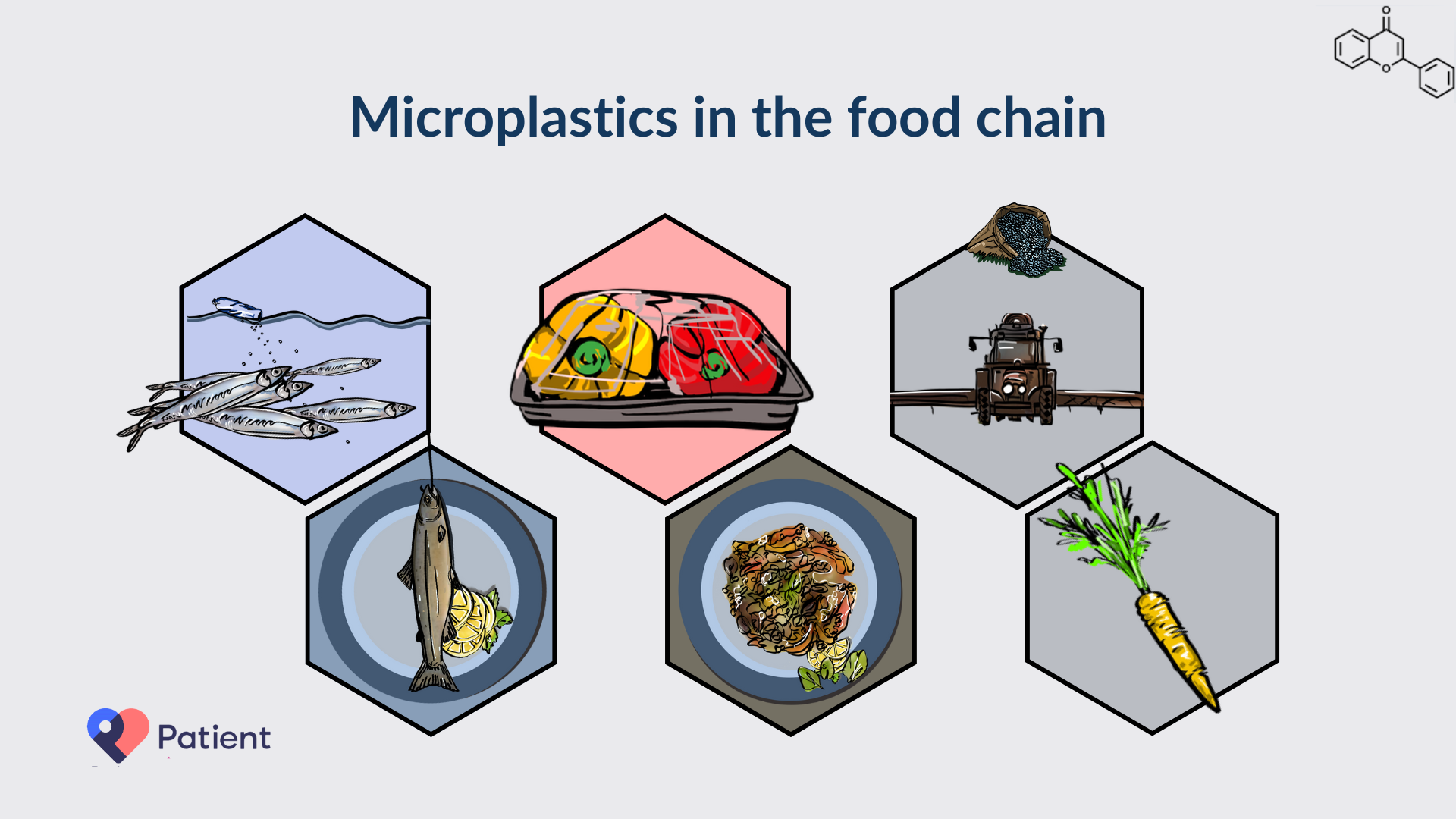
Food - People may be eating an estimated 50,000 plastic particles every year7.
Water - If you drink from water bottles, you could be consuming up to 90,000 extra microplastics annually - compared to the additional 4,000 microplastics per year from your tap water7.
Beer - A beer a day could amount to 520 particles each year8.
Inhalation - microplastics in the home
From children's toys to cookware coating and fridge, door and window seals, plastic is used everywhere in the home. We don't know if these commonplace features affect us, but we do know that when plastic gradually breaks down into microplastics, these tiny particles can become airborne.
"We may also inhale as well as ingest microplastics since they are floating in the indoor and outdoor air," says professor Rotchell. "We don't know much about the transport of microplastics in the outdoor and indoor air beyond knowing that they are present and at varying levels depending on location. Indoor studies have identified textile type microplastics, usually fibres, present - these could be from clothing and soft furnishings."
Is coloured plastic worse?
Red, blue and green plastic products decompose into microplastic particles faster than black, white and silver plastic colours over a three-year period9. The researchers are calling for manufacturers to stop making household products, like toys and outdoor furniture, in these colours.
Clouds and plastic rainfall
Scientists were surprised to discover microplastics on top of two misty mountain peaks in Japan. It's not clear how they got up there, but it's possible this is the first report of airborne microplastics in cloud water10.
This theory suggests that plastic litter in the ocean breaks down into microplastics and is then launched into the atmosphere through ocean spray. So-called 'plastic rainfall' has an alarming potential to contaminate vast areas of land - but there's a lot more we need to learn before this causes concern.
What can we do to reduce our exposure to microplastics?
Tackling microplastic pollution begins with your single-use plastics. These are things like disposable water bottles, shopping bags and plastic-coated coffee cups.
What is plastic free July?
Plastic free July is a yearly campaign against plastic pollution. It challenges those who take part to reduce their single-use plastic waste every day of July, providing resources and ideas to help. The hope is that it helps people find ways to use less plastic all year round. Their helpful tips include:
Investing in a reusable water bottle.
Bringing a reusable coffee cup to your local cafe.
Choosing unpackaged bakery items at supermarkets, bakeries, and farmers markets.
Shopping for unpackaged meat at the local butcher, fishmonger or deli-counter.
Refusing plastic straws and bringing along your own metal option.
Using refillable cleaning products, offered by an increasing number of places.
Considering reusable sanitary products like period pants or menstrual cups.
Swapping cling film for reusable food storage containers.
Ditching synthetic clothes for natural fibres, like linen, wool, hemp, and silk.
Reduce, reuse, recycle
Reduce what you buy: Ask yourself if you really need something, or if you can repurpose something you already own, or buy secondhand to reduce plastic waste.
Reuse plastic items: Reuse plastic as you can or take it to a secondhand store where possible so it doesn't end up in landfill.
Recycle: Understand what you can and can't recycle in your local area. You can also choose to buy recycled products to close the loop.
Microplastics and climate change - a cycle
The relationship between microplastics and climate change appears to be cyclical. Global warming is expected to speed up the rate at which plastic products breakdown into microplastic particles11. At the same time, if we find them in large amounts in the upper atmosphere, researchers worry that microplastics could also be contributing to the climate change problem10.
Microplastics and climate change
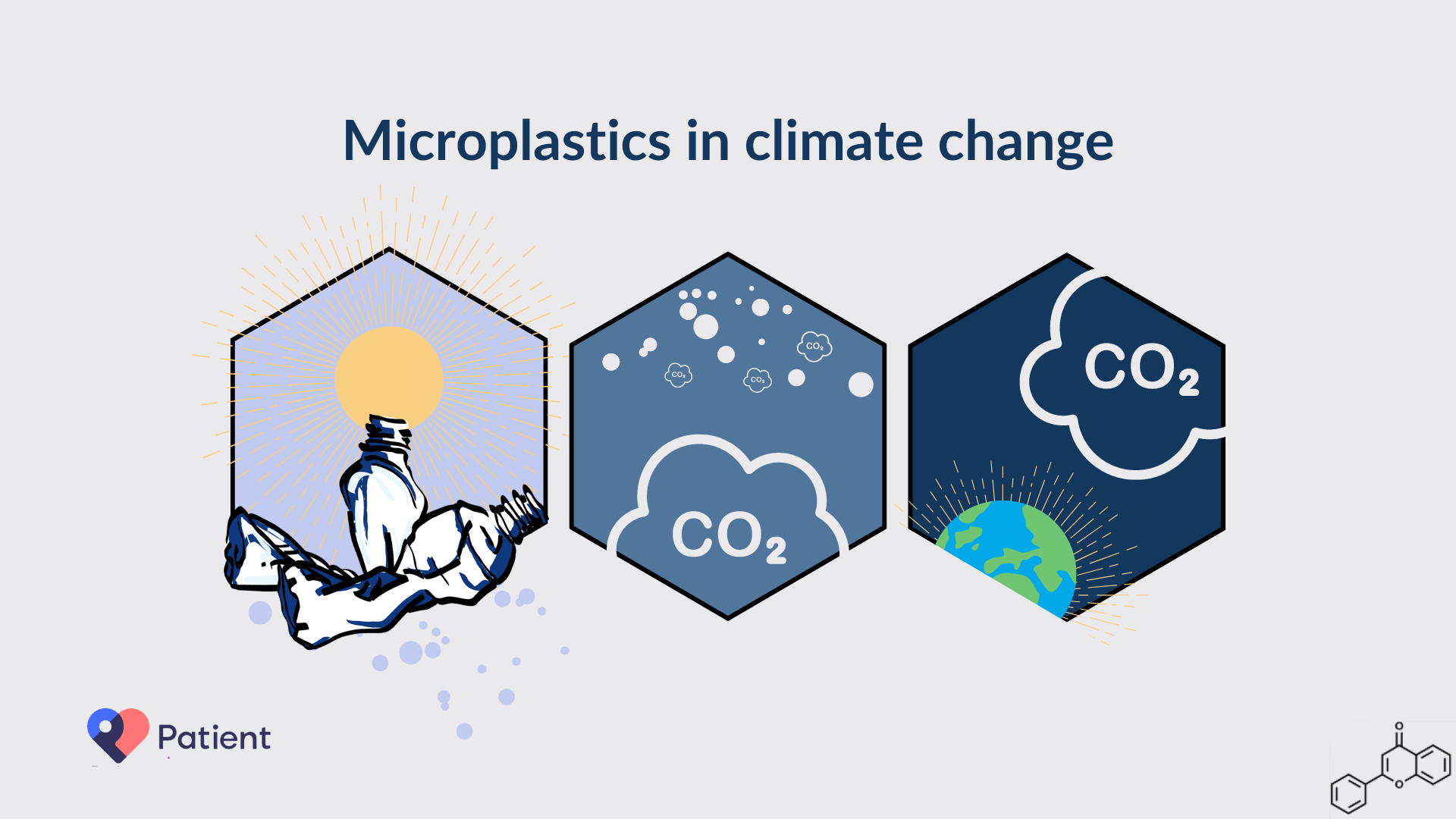
Microplastics in the upper atmosphere are closer to sunlight - which means greater exposure to ultraviolet (UV) radiation. This could cause microplastics to breakdown and contribute to greenhouse gasses. More studies like the one on the Japanese mountain peaks could help us better understand whether microplastics contribute to climate change10.
Reducing our use of plastic in everyday life is one way to try and reduce the demand for plastic production. There are also other ways to reach policy makers.
"As a scientist, my role is to conduct experiments to establish presence, and biological impacts, of contaminants such as microplastics in a robust manner," says professor Rotchell. "Then to communicate these findings to policy makers, regulators, and the public.
“The more evidence that we produce to illustrate a negative impact of microplastics on human health, the more this influences the policy makers, regulators and politicians to introduce monitoring practices, regulation or legislation."
Further reading
Marfella et al: Microplastics and nanoplastics in atheromas and cardiovascular events.
Kosuth: Anthropogenic contamination of tap water, beer, and sea salt.
Key et al: Influence of colourants on environmental degradation of plastic litter.
Haque and Fan: Fate of microplastics under the influence of climate change.
Patient picks for Environmental conditions

General health and lifestyle
What's the health impact of pesticides?
From bees to birds and soil to rain, pesticide pollution can have a far-reaching and devastating effect on wildlife. How can this effect your health without you coming into direct contact with toxic pesticides?
by Amberley Davis
General health and lifestyle
What is fuel poverty and how does it affect our health?
The soaring cost of living and rise in gas prices has led to a surge in the number of households struggling to afford heat and electricity. The energy crisis has led to a sharp rise in fuel poverty, but what exactly does this mean?
by Lydia Smith
About the authorView full bio

Amberley Davis
Senior writer
BA (Hons), CPD
Amberley is a senior writer with Patient and has written extensively on a range of health and wellbeing topics.
About the reviewerView full bio

Dr Krishna Vakharia, MRCGP
Chief Medical Officer for Health, Optum UK
MBChB, MRCGP(2013), BMedSci (hons), DFSRH, DRCOG, PGDipDerm (Distn)
Dr Krishna Vakharia is an NHS GP. She is also a regular examiner for the postgraduate Diploma in Practical Dermatology at Cardiff University as well as being the Chief Medical Officer for health at Optum UK.
Article history
The information on this page is peer reviewed by qualified clinicians.
Article also available in English, German, Spanish, French, Italian, Portuguese, Hindi, Hebrew, Arabic, and Swedish.
Next review due: 4 Jul 2027
4 Jul 2024 | Originally published
Authored by:
Amberley DavisPeer reviewed by
Dr Krishna Vakharia, MRCGP
Join the conversation
Share your thoughts or experiences with others in our patient communities.

Ask, share, connect.
Browse discussions, ask questions, and share experiences across hundreds of health topics.

Feeling unwell?
Assess your symptoms online for free
Sign up to the Patient newsletter
Your weekly dose of clear, trustworthy health advice - written to help you feel informed, confident and in control.
By subscribing you accept our Privacy Policy. You can unsubscribe at any time. We never sell your data.
More in general health and lifestyle
- Clinical trials - helping to keep your medicines safe.
- Cost of living crisis: is our health paying the price?
- Essential steps to take to avoid falls this winter
- How to manage breastfeeding when you return to work
- How to relieve itchy eyes in the summer
- How to treat sunburn blisters
- How your height affects your health
- Is there an LGBTQ+ health gap?
- NHS opens walk-in clinics for FGM survivors
- Pride, belonging, and why health is about more than healthcare
- Should you go to work when you have a cold?
- The warning signs of heatstroke and heat exhaustion
- What are the benefits of collagen, and can it prevent skin ageing?
- What can a simple Sit-to-Stand test tell you about your health?
- What health benefits could a four-day working week have?
- What is weather change sickness?
- What it's like to work in mental health services when you have a mental illness
- When to take a mental health day at work - and how to talk to your boss
- Why a Christmas movie can make us feel good
- Why is my facial eczema worse in summer?