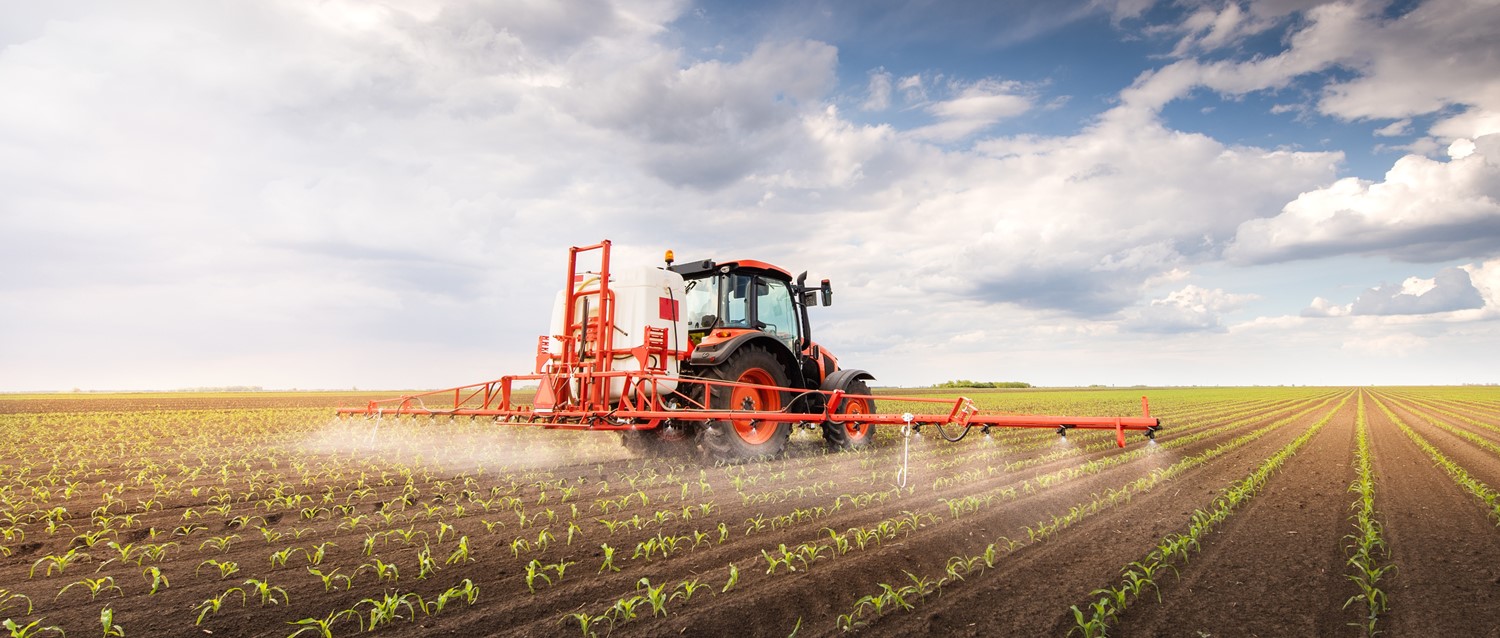
What's the health impact of pesticides?
Peer reviewed by Dr Krishna Vakharia, MRCGPAuthored by Amberley DavisOriginally published 26 Sept 2022
Meets Patient’s editorial guidelines
- DownloadDownload
- Share
- Language
- Discussion
- Audio Version
- Add to preferred sources on Google
From bees to birds and soil to rain, pesticide pollution can have a far-reaching and devastating effect on wildlife. How can this effect your health without you coming into direct contact with toxic pesticides?
What are pesticides?
Pesticides are highly toxic substances that humans use to kill unwanted plants or animals. These so-called pests typically threaten to damage or destroy agricultural crop or livestock but can also be found at home - garden weeds are a familiar example.
The pesticides are categorised by the type of pest they are designed to kill: insecticides target insects, herbicides target plants, fungicides target fungi, and rodenticides target rodents.
Yet, these poisons can be life-threatening and pollute our own health, both through direct exposure and pesticide-related illness and indirectly through environmental damage.
How pesticides affect the environment
It may come as a surprise that this form of pest control dates back to around 2500BC in ancient Mesopotamia, where natural sulphur was used as an insecticide. Today, the mass production and application of synthetic pesticides - more toxic than natural pesticides - is a real threat to species' survival and biodiversity.
A big part of the problem is that pesticides don't only harm the pests they're designed to target - these harsh chemical sprays also contaminate surrounding flora and fauna, seeping into soil, water, and non-crop plants, and poisoning animals.
Bee-toxic insecticide in the UK
In England in 2022, this issue has created a real buzz following the government's approval of a previously banned, bee-harming pesticide to be used by sugar-beet farmers.
Environmental organisation Pesticide Action Network (PAN) UK, describes this authorisation as presenting an "unacceptable risk to both honeybees and wild bees"1, while The Wildlife Trusts warn that it "sounds a death knell for millions of bees and other insects"2.
This pesticide is a neonicotinoid insecticide (ie an insecticide chemically similar to nicotine) called thiamethoxam (TMX). It's so toxic to bees that a single teaspoon can kill 1.25 billion of them2.
TMX3:
Binds to receptors in a bee's central nervous system and then either kills them or elicits a variety of sublethal effects at low doses.
Serious but non-fatal effects include altering the bee's activity, motor functions, and movement to light. In turn, this reduces the health and labour output of the colony.
TMX is systemic, meaning it easily spreads to all plant tissues. As a result, it's found in multiple resources that bees touch: nectar, pollen, and water runoff.
Why we need bees
The loss of species is itself worthy of prevention, regardless of the impact on humans. That said, the bee is a great example of how the health of one creature is inextricably linked with the health of its wider environment and, by extension, you, and me.
Food stability
According to the Food and Agriculture Organisation (FAO), we have bees to thank for every third mouthful we eat4. This is because they are the busiest of the insect pollinators, fertilising food crops and wild plants allowing them to spread. In the UK alone, around 70 crops depend on or benefit from bee pollination5.
Without bees, food supplies would be more precarious, and our diets would be less nutritious, and dull. To manually pollinate enough crops to sustain our existence would cost UK farmers £1.8 billion each year. This scenario is a real threat - it has already happened in parts of China5.
Wildlife
Insecticide poisoning of pollinators not only threatens food crops, but the survival of other wild plants that support so much of our wildlife. Bees pollinate approximately 80% of wildflowers in Europe6 and many types of trees.
This plays an important role in the health of our wildlife and natural landscapes, providing food sources and healthy habitats for hundreds of species, including humans! For example, trees supply our air with oxygen and absorb carbon dioxide - a substance that is dangerous to human health in high levels7.
Why we need biodiversity
Biodiversity describes how many different species an area contains. Unfortunately, harming bees is just one way that pesticide application reduces biodiversity. This toxic substance seeps into its surroundings and the knock-on effects of pesticides can be devastating:
Soil fertility - micro-organisms in soil nitrogen fixation transform atmospheric nitrogen into nitrates, which plants use for growth. Pesticides disrupt this process.
Aquatic life - Pesticide residues run into streams, lakes, rivers, and oceans. Repeated pesticide exposure can cause life-threatening behavioural changes in fish and other aquatic lifeforms - for example, increased failure to avoid predators.
Birds - many species of birds eat insects and worms that consume pesticides.
Elimination of food sources - many animals who don't come into direct contact with pesticides may also suffer when pesticide application eliminates their food source, forcing them to relocate or starve.
Regardless of whether you live in a city or spend your time closer to nature, your health depends on biodiversity8. It supports many essential human and societal needs that underpin public health:
Food security.
Fresh water.
The development of medicines.
Energy needs.
Economic opportunities.
From walking in your local woodland to joining a Green Gym, spending time in nature is also hugely beneficial for your overall well-being. In fact, as little as 10 minutes can help you to feel happier and less stressed9.
Pesticides and climate change
As well as contributing to biodiversity loss through pollution, the use of pesticides supports highly unsustainable farming methods. For example, production and transportation of pesticides uses up valuable fossil fuels, and pesticides hinder the ability of soil to remove carbon dioxide from the atmosphere.
All this activity contributes to climate change, a global health emergency that is already affecting human and environmental health in a myriad of ways10. Using less toxic and more sustainable alternatives to pesticides11 could be hugely important in both the short and long-term health of nature, and the people it supports.
Further reading
Patient picks for Environmental conditions
General health and lifestyle
Beat the heat: your essential sun safety guide
With warmer weather expected to continue across the UK in the coming months, St John Ambulance has shared important health advice to help people recognise the symptoms of common heat-related conditions and understand how to treat them. Knowing these essential tips can keep you safe, prepared, and ready to make the most of your summer.
by Victoria Raw

General health and lifestyle
Can central heating cause health problems?
When it gets cold, many of us turn the central heating up in our homes without giving it a second thought. Yet while it's important to stay warm in winter, central heating can sometimes have an adverse impact on our health - particularly for those with asthma or skin problems.
by Lydia Smith
About the authorView full bio
Authored by

Amberley Davis
Senior writer
BA (Hons), CPD
Amberley is a senior writer with Patient and has written extensively on a range of health and wellbeing topics.
About the reviewerView full bio

Dr Krishna Vakharia, MRCGP
Chief Medical Officer for Health, Optum UK
MBChB, MRCGP(2013), BMedSci (hons), DFSRH, DRCOG, PGDipDerm (Distn)
Dr Krishna Vakharia is an NHS GP. She is also a regular examiner for the postgraduate Diploma in Practical Dermatology at Cardiff University as well as being the Chief Medical Officer for health at Optum UK.
Article history
Article also available in English, German, Spanish, French, Italian, Portuguese, Hindi, Hebrew, Arabic, and Swedish.
26 Sept 2022 | Originally published
Authored by:
Amberley DavisPeer reviewed by
Dr Krishna Vakharia, MRCGP
Join the conversation
Share your thoughts or experiences with others in our patient communities.

Ask, share, connect.
Browse discussions, ask questions, and share experiences across hundreds of health topics.

Feeling unwell?
Assess your symptoms online for free
Sign up to the Patient newsletter
Your weekly dose of clear, trustworthy health advice - written to help you feel informed, confident and in control.
By subscribing you accept our Privacy Policy. You can unsubscribe at any time. We never sell your data.