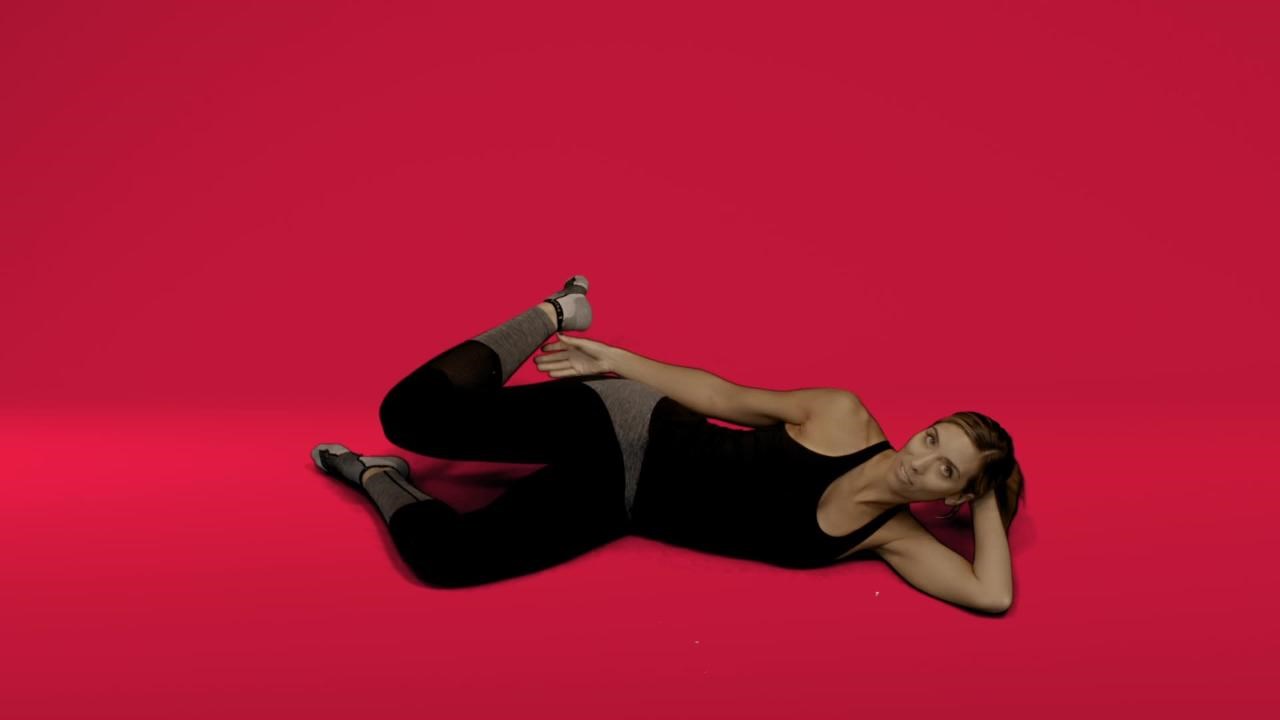
Video: Ejercicios para el dolor de rodilla
Revisado por pares por Dra. Sarah JarvisÚltima actualización por Lilly Sabri, MHPCÚltima actualización 30 Nov 2017
Cumple con las directrices editoriales
- DescargarDescargar
- Compartir
- Language
- Discusión
- Versión en audio
- Agregar a fuentes preferidas en Google
These exercises are recommended to help reduce pain, increase range of movement and strengthen the knee joint muscles and prevent future problems.
Lista de reproducción: Knee Pain Exercises
5 videos
Knee Pain - Range of Movement
Lilly Sabri, MHPC
Knee Pain - Range of Movement
Lilly Sabri, MHPC
Knee Pain - Hamstring Stretch
Lilly Sabri, MHPC
Knee Pain - Quadriceps Stretch
Lilly Sabri, MHPC
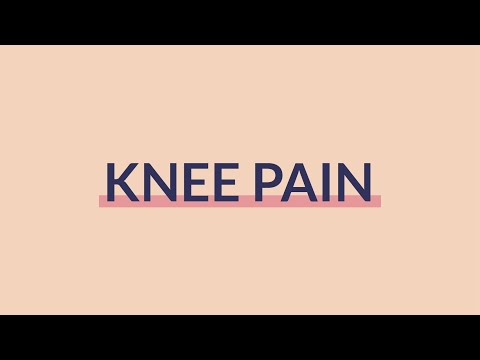
Knee Pain - Inner Range Quadriceps
Lilly Sabri, MHPC
Knee Pain - Strengthening Exercises
Lilly Sabri, MHPC
Knee pain can be caused by many different things. These causes include: muscular injuries; ligamentous injuries; cartilage tears; bone problems; fractures; and arthritic changes.
A common cause of knee pain is poor biomechanics, which are the body's movement patterns when completing daily activities, such as walking. Maintaining a healthy weight y keeping active can help in relieving symptoms.
Should your pain increase while completing the exercises, stop immediately and seek advice from your doctor. Should your symptoms not ease after two weeks of completing these exercises, a physiotherapy assessment may be required.
Once your symptoms are controlled it's worth getting into the habit of doing them once or twice a day to reduce the risk of symptoms coming back.
Knee range of movement exercises
Heel slide
Sitting with your legs straight out in front of you, support your back if necessary.
Slide one heel towards your bottom and hug the knee towards the chest.
Straighten leg back out to the starting position.
Hold this position for 10 seconds and repeat 10 times on each leg, twice daily.
This exercise can also be performed sitting upright in a chair with both feet planted on the floor. Start by straightening one knee out as far as possible and, in a slow controlled movement, bend it back down and as far under the chair as possible.
Knee muscle strengthening exercises
Inner range quads
Start sitting on the floor, support your back and position your legs straight in front of you.
Place a rolled-up hand towel underneath one knee.
Point your foot to the ceiling before pushing your knee down into the towel. You should feel your heel lift off the floor.
Hold for 10 seconds and repeat 16 times on each leg, twice daily.
Straight leg raise
A progression from the exercises above.
Sitting on the floor, support your back and position your legs straight in front of you.
Turn your foot outwards, push your knee down into the floor before lifting your leg off the ground 4-6 inches.
Hold for 10 seconds and repeat 10 times on each leg, twice daily.
Quad stretch
Stand with your hands supported on the back of a chair.
Bend one knee and bring your foot towards your bottom.
Hook your hand around your ankle and pull the ankle closer towards your bottom to feel a stretch in the thigh muscle at the front of the leg.
Be sure to keep the knees touching.
Hold the stretch for 20 seconds; repeat three times on each side, twice.
Knee joint muscle stretches
Hamstring stretch
Lie on your back with your knees bent.
Interlock the fingers behind one of your thighs.
Hug that leg towards the chest, stopping at 90°.
Straighten the knee as far as you feel comfortable, feeling a stretch in the hamstring muscle (the big muscle at the back of the thigh).
Hold the stretch for 20 seconds; repeat three times on each side, twice daily.
To increase this stretch, walk your hands up towards your foot.
Sit to stand
Sitting on a chair.
Without using your hands for support stand up from the chair and then sit back down again in a slow and controlled movement.
Complete this exercise 16 times.
As you improve, increase the number of repetitions gradually up to 50; you can also try this exercise from a lower chair.
Wall squat
Stand with your back to the wall.
Place your feet shoulder distance apart and away from the wall.
Slowly slide your hands down the wall as you lower your body into a squat position.
Do not allow the knees to buckle in, by keeping the knees directly over the middle toes.
Hold for 10 seconds and repeat 10 times, twice daily.
You can complete the squat from a standing position. Ensure your knees stay in line with your middle toes, your weight is distributed back through your heels and your chest remains proud and open. If you get an increase in knee pain, you should stop and seek professional advice.
Selecciones del paciente para Knee health
Huesos, articulaciones y músculos
Video: Ejercicios de recuperación después de una cirugía de rodilla
There are different types of knee replacement surgery depending on the injury, the severity of the injury and the surgeon performing the procedure. This leaflet is to be used only as a guideline once you have discussed and confirmed with your surgeon and medical team that the exercises below are appropriate for you following your surgery.
por Lilly Sabri, MHPC

Huesos, articulaciones y músculos
Dolor de rodilla que no desaparece: ¿Cuándo es el momento de hacerse una exploración?
El dolor de rodilla es muy común, pero no siempre es fácil identificar qué está causando tus síntomas. El dolor en la rodilla puede comenzar como una molestia leve que empeora gradualmente, o aparecer repentinamente después de una lesión y no desaparecer. Muchas personas viven con dolor persistente de rodilla durante meses o años, tomando analgésicos o descansando la pierna cuando es necesario. Pero el dolor de rodilla a largo plazo puede interferir con tu calidad de vida y capacidad para trabajar, y afectar tu participación y disfrute en actividades deportivas y de ocio. El dolor persistente de rodilla, o el dolor que no mejora, puede requerir una investigación más profunda. Hacerse una exploración proporcionará claridad sobre qué está causando tus síntomas y qué opciones de tratamiento podrían estar disponibles para ti. Pero a veces es difícil saber cuándo hacerse una exploración y qué tipo elegir. Scan.com ayuda a que sea más sencillo.
por Scan.com
Sobre el autorVer biografía completa
Lilly Sabri, MHPC
Physiotherapist, Personal Trainer
BSc Physiotherapy, MCSP, MHPC, MAACP, MACSPM
Lilly Sabri is a chartered Physiotherapist, APPI pilates instructor, fitness, health and lifestyle influencer and founder of #LeanWithLilly.
Acerca del revisorVer biografía completa

Dra. Sarah Jarvis
Consultora Clínica
MA (Cantab), BM, BCh (Oxon), DRCOG, FRCGP, MBE
Después de formarse en medicina en Cambridge y Oxford, la Dra. Sarah Jarvis MBE se convirtió en médica general.
Historial del artículo
La información en esta página es revisada por pares por clínicos calificados.
Artículo también disponible en Inglés, Alemán, Español, Francés, Italiano, Portugués, Hindi, Hebreo, Árabe, y Sueco.
30 Nov 2017 | Última versión

Pregunta, comparte, conecta.
Navega por discusiones, haz preguntas y comparte experiencias en cientos de temas de salud.

¿Te sientes mal?
Evalúa tus síntomas en línea de forma gratuita
Suscríbete al boletín de Patient
Tu dosis semanal de consejos de salud claros y confiables, escritos para ayudarte a sentirte informado, seguro y en control.
Al suscribirte aceptas nuestros Política de Privacidad. Puedes darte de baja en cualquier momento. Nunca vendemos tus datos.
Más sobre huesos, articulaciones y músculos
- Videos de dolor de espalda y ejercicios
- Mala postura: cómo vencer la 'joroba del COVID'
- Vence el frío: por qué el movimiento es importante para tus articulaciones en clima frío
- Mejores ejercicios para tus articulaciones
- ¿Pueden los suplementos de creatina ayudar a desarrollar músculo?
- Nuevo¿Necesito una resonancia magnética para mi dolor de espalda?
- ¿Cómo puedes prevenir la osteoporosis durante la menopausia?
- ActualizadoCómo desarrollar músculo con una dieta vegana
- Cómo prevenir la pérdida muscular en Mounjaro
- Cómo tratar el dolor de cuello
- Salud de las rodillas: cómo prevenir lesiones en las rodillas
- Videos de dolor de rodilla y ejercicios
- Dolor de rodilla que no desaparece: ¿Cuándo es el momento de hacerse una exploración?
- Viviendo con fibromialgia - La historia de Jenny
- Remedios naturales para aliviar el dolor articular
- Los mejores ejercicios para el dolor de espalda
- ¿Qué puedes hacer para ayudar a prevenir la artritis?
- ¿Qué es el trasero de silla de oficina y cómo lo puedes prevenir?
- Cómo es ser una persona joven con artritis
- ActualizadoWimbledon nos recuerda: toma en serio el dolor en tus articulaciones