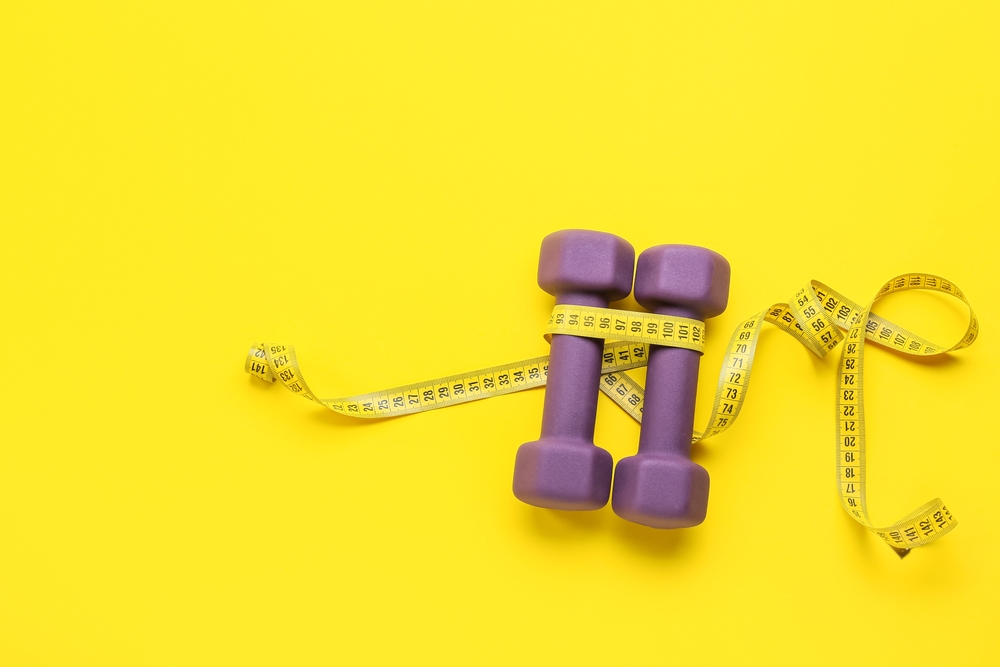
Cómo prevenir la pérdida muscular en Mounjaro
Revisado por Dr Colin Tidy, MRCGPEscrito por Bogomila ToshevaPublicado originalmente 14 de mayo de 2026
Cumple con las directrices editoriales
- DescargarDescargar
- Compartir
- Language
- Discusión
- Ask Patient
- Versión en audio
- Agregar a fuentes preferidas en Google
Rapid weight loss from weight loss injections like Mounjaro can come with a hidden trade-off - muscle loss.
Losing too much muscle along the way can leave people feeling weaker, more fatigued, and less supported in the long term.
So how do you lose weight without losing muscle too?
Experts share the key habits that can help minimise muscle loss while using Mounjaro - including how to eat, train, and recover well during weight loss.
Patrocinado
Expert weight care, with your first month FREE
We’ve partnered with Genwell, who are offering new patients their first month of personalised GP and nutritionist support free.
Start with a free GP appointment to talk through what’s right for you.

Selecciones de videos para MúsculosBiblioteca de videos
Why does muscle loss happen on Mounjaro?
Muscle loss on Mounjaro usually happens as a side effect of rapid weight loss - not because the medication is directly damaging muscle tissue.
When people lose weight, they typically lose a combination of body fat and lean mass, including muscle.
Because Mounjaro reduces appetite and slows digestion, many people naturally eat less and feel full for longer. Over time, that can make it harder to eat enough calories and protein to properly support muscle maintenance.
There are a few key reasons muscle loss can happen on Mounjaro:
Lower calorie intake - eating significantly less can leave the body without enough energy to maintain muscle tissue.
Not enough protein - protein provides the amino acids needed for muscle repair and muscle protein synthesis.
Less resistance training - without strength-based exercise, the body has less reason to preserve lean muscle during weight loss.
Rapid weight loss - faster rates of weight loss are often associated with greater lean mass loss alongside fat loss.
Research on tirzepatide, the active ingredient in Mounjaro, shows that most weight lost tends to come from body fat rather than muscle.
Still, some lean mass loss can occur, which is why experts recommend focusing on muscle-preserving habits from the beginning - including adequate protein intake, resistance training, and recovery.1
How does muscle loss affect the body
Muscle plays an important role in:
Strength and physical function.
Balance and mobility.
Recovery and resilience.
Glucose regulation.
Long-term metabolic health.
When muscle mass declines, some people may notice feeling weaker, tiring more easily, or feeling less steady.
This is one reason body composition can be more helpful to think about than weight alone. Weight can change in many ways, but what often matters most for health and function is how much muscle is supported alongside any reduction in body fat.
“Weight loss and health improvement are not always exactly the same thing. Muscle mass supports strength, function, and metabolic health, which is why it deserves care and attention throughout a weight loss journey.”
- Bogomila Tosheva, Wellbeing Coaching Lead at Genwell
How much muscle loss is normal?
Some lean weight loss is normal, including with Mounjaro.
The aim is not to prevent each minor change in lean mass. Rather, it is to support the best possible balance between fat loss and lean mass preservation.
There are a few questions that can help if you are unsure where to begin:
Are you eating enough overall?
Are you meeting your protein needs?
Are you preserving strength?
Are you able to include some form of resistance-based movement?
A small amount of lean mass loss may be expected during weight loss, but if weight is dropping quickly and you are also feeling more tired, weaker, or less well-supported, it may be worth taking a closer look at how your body is coping.
Who is most at risk of muscle loss?
Some people may be more vulnerable to muscle loss than others.
Esto puede incluir:
Older adults.
People who already have lower muscle mass.
People whose appetite has reduced significantly.
People finding it difficult to meet their protein needs.
People losing weight very rapidly.
People who are less able to do strength-based movement.
People recovering from illness or inactivity.
People with a long history of restrictive dieting or weight cycling.
Risk can rise when appetite is low, and there is insufficient support for overall food intake, protein, or movement. This is why people would benefit from greater support, structure, and flexibility as they adjust to medication.2
“People most at risk of muscle loss are often those finding it hardest to eat enough or meet their needs consistently. That is exactly why a supportive, flexible approach to nutrition matters so much on GLP-1 medications.” - Bogomila Tosheva
Cómo prevenir la pérdida muscular en Mounjaro
Supporting muscle mass on Mounjaro usually comes back to a few foundations:
Prioritising protein.
Building balanced meals.
Eating enough overall.
Getting support early, if needed.
Including some form of strength-based movement where possible.
1. Prioritise protein
When appetite is reduced, protein intake can sometimes fall without it being obvious. But protein is important for muscle preservation, recovery, satiety (feeling fuller for longer), and overall nutritional adequacy.
For people using GLP-1 medications, an intake of around 1.0-1.6 g per kg of body weight may be appropriate, depending on the person and their activity levels.
A practical way to approach this is to aim for around 30 g of protein per meal, spread throughout the day.
Protein-rich options can include:
Huevos.
Greek yoghurt, skyr, cottage cheese.
Chicken, turkey, lean meat.
Fish and seafood.
Tofu, tempeh, edamame.
Lentils, chickpeas, beans.
Protein-enriched dairy or plant alternatives.
Protein shakes where helpful.
2. Build balanced meals
Protein matters, but it’s important to ensure all your nutrient needs are met.
A helpful guide is:
¼ plate protein.
¼ plate complex carbohydrates.
½ plate non-starchy vegetables.
Plus a source of healthy fats.
This kind of structure can help support energy, blood glucose stability, fibre intake, and overall nutritional adequacy.
Carbohydrates can support energy and training capacity. Fats support hormone health, vitamin absorption, satiety, and enjoyment of food. Muscle preservation is best supported by adequate, balanced eating.
3. Eat enough overall
This is important. Even with adequate protein intake, your body still needs sufficient overall energy to support basic functioning, recovery, movement, and tissue maintenance.
Sometimes, when appetite becomes much quieter, it can be easy to assume that eating very little is a sign that the medication is working well.
But the goal is not to eat as little as possible. The goal is to support calmer, more manageable eating patterns, though still meeting your needs.
Signs you may not be eating enough can include:
Mareo.
Fatiga.
Dolores de cabeza.
Debilidad.
Nausea worsened by long gaps without food.
Estreñimiento.
Poca concentración.
Very rapid weight loss.
If that is happening, it can be a sign that your body would benefit from more support.
For more guidance on what to eat when taking Mounjaro, see the article Dieta Mounjaro: Alimentos para comer y evitar.
4. Get support early if eating feels too difficult
If nausea, bloating, fullness, or low appetite are making it hard to eat enough, it can really help to address that early.
Helpful strategies can include:
Smaller, steadier meals.
Softer or easier-to-digest foods.
Prioritising protein earlier in the day.
Using practical options such as yoghurts, soups, smoothies, or protein shakes.
If intake remains very low or symptoms persist, it is important to speak with your prescriber.
5. Strength train if you can
If protein is one part of the muscle-preservation picture, strength-based training is another.
This could include:
Gym-based strength training.
Home dumbbell workouts.
Resistance bands.
Bodyweight exercises.
Pilates with progressive overload.
Working with a trainer if you are new to lifting.
If you are new to exercise, starting with something you genuinely enjoy and can look forward to can make it much easier to incorporate into your life.
What happens to your muscles when you stop taking Mounjaro?
What happens after stopping Mounjaro can depend on the support in place during treatment.
If you were able to eat enough, prioritise protein, and include some form of strength-based movement, you may be in a better position to maintain muscle mass and overall body composition.
If eating felt difficult for long periods or if lean mass declined during treatment, stopping the medication does not instantly reverse that.
This is one reason why time on Mounjaro can be such a great opportunity to build habits that support your body composition and metabolic health beyond weight loss.
Resumen
Weight loss on Mounjaro is not just about seeing the number on the scale go down. Experts say protecting muscle mass is equally important for supporting strength, energy, metabolic health, and long-term physical function.
Key strategies for preventing muscle loss on Mounjaro include eating enough overall, prioritising protein, spreading protein intake throughout the day, eating balanced meals, incorporating regular strength training, and seeking support early if eating becomes difficult.
Selecciones del paciente para Músculos

Huesos, articulaciones y músculos
Cómo desarrollar masa muscular después de un tratamiento para perder peso
Losing a significant amount of weight - especially if it happens too quickly - can have a negative impact on your muscle health. Your body may break down muscle tissue to use as energy, leaving you weaker and less resilient. That’s why it’s important to focus on rebuilding and strengthening your muscles, so you can restore what was lost and support your long-term health.
por Victoria Raw
Vida saludable
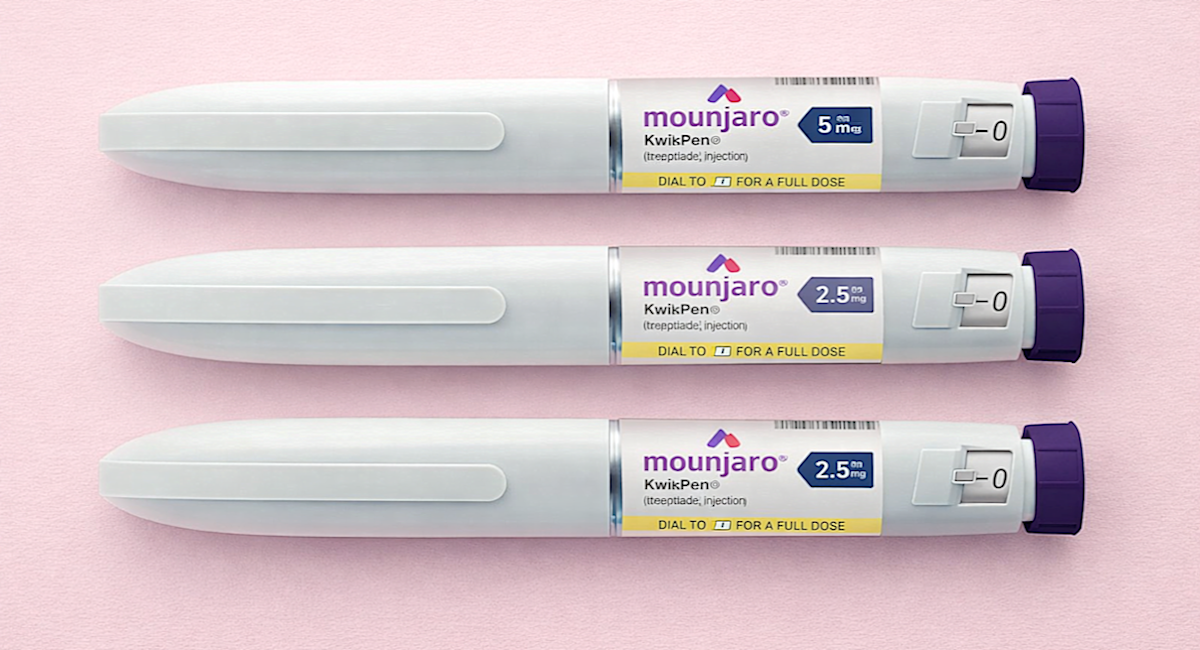
Inyecciones para pérdida de peso Mounjaro: Preguntas frecuentes
Aunque las inyecciones para perder peso como Mounjaro pueden ser increíblemente útiles para algunas personas, también son solo una pieza del rompecabezas cuando se trata de la salud metabólica a largo plazo. Comprender lo que pueden y no pueden hacer, y cómo funcionan, puede ayudar a guiar tu toma de decisiones si estás pensando en probarlas. Aquí tienes respuestas a algunas de las preguntas más comunes que los pacientes hacen sobre Mounjaro.
por la Dra. Nienke Lees
Preguntas frecuentes
¿Qué es tirzepatida?
El tirzepatida es el ingrediente activo en Mounjaro. La investigación sobre este ingrediente indica que la mayor parte del peso perdido tiende a ser de grasa corporal en lugar de músculo, aunque aún puede ocurrir alguna pérdida de masa magra.
¿Qué es la salud metabólica?
El artículo vincula una buena salud metabólica con una masa muscular adecuada. El músculo desempeña un papel en la regulación de la glucosa. Proteger la masa muscular es importante para apoyar la salud metabólica a largo plazo y la función física en general.
¿Qué significa la composición corporal?
La composición corporal se refiere a la proporción de grasa y masa magra, incluyendo músculo, en tu cuerpo. A menudo se considera más útil que solo mirar el peso, ya que lo que más importa para la salud y la función es cuánto músculo se mantiene junto con cualquier reducción de grasa corporal durante la pérdida de peso.
¿Qué son los medicamentos GLP-1?
Mounjaro es un medicamento GLP-1. Estos medicamentos, como Mounjaro, funcionan reduciendo el apetito y ralentizando la digestión, lo que puede llevar a la pérdida de peso.
How can I tell if I'm not eating enough while on Mounjaro?
Los signos de que podrías no estar comiendo lo suficiente pueden incluir mareos, fatiga, dolores de cabeza, debilidad, náuseas que empeoran con largos intervalos entre comidas, estreñimiento, mala concentración o pérdida de peso muy rápida. Si experimentas estos síntomas, podría indicar que tu cuerpo necesita más apoyo.
Lecturas adicionales y referencias
Sobre el autorVer biografía completa
Escrito por

Bogomila Tosheva
Responsable de Coaching de Bienestar
Nutricionista Registrado (RNutr) y Consejero de Nutrición
Bogomila (Mila) is the Wellbeing Coaching Lead at Genwell.
Acerca del revisorVer biografía completa

Dr Colin Tidy, MRCGP
Médico General, Autor Médico
MBBS, MRCGP, MRCP (Paediatrics), DCH
El Dr. Colin Tidy es un médico del NHS, con sede en Oxfordshire.
Historial del artículo
Artículo también disponible en Inglés, Alemán, Español, Francés, Italiano, Portugués, Hindi, Hebreo, Árabe, y Sueco.
Próxima revisión: 14 de mayo de 2029
14 de mayo de 2026 | Publicado originalmente
Escrito por:
Bogomila ToshevaRevisado por
Dr Colin Tidy, MRCGP
Comparte tus pensamientos o experiencias con otros en nuestro comunidades de pacientes.
Suscríbete al boletín de Patient
Tu dosis semanal de consejos de salud claros y confiables, escritos para ayudarte a sentirte informado, seguro y en control.
Al suscribirte aceptas nuestros Política de Privacidad. Puedes darte de baja en cualquier momento. Nunca vendemos tus datos.