Proteína natural versus proteína en polvo: ¿cuál es mejor para el entrenamiento de fuerza?
Revisado por pares por Dra. Sarah JarvisÚltima actualización por Amberley DavisÚltima actualización 27 de enero de 2022
Cumple con las directrices editoriales
- DescargarDescargar
- Compartir
- Language
- Discusión
- Versión en audio
- Agregar a fuentes preferidas en Google
Consuming enough protein is essential for building strong muscles. Protein powder shakes are not a complete replacement for natural protein sources found in your food. However, you may consider supplementing your diet and strength-training regime with protein shakes. Before you decide if this is right for you, there are several benefits and considerations to take into account.
How your body gains muscle
Si tu objetivo es desarrollar músculo, tres pasos esenciales son establecer un strength-training régimen de ejercicios, come una saludable y equilibrada, y asegúrate de estar consumiendo el optimum quantity of protein.
Protein is a nutrient made up of essential amino acids, the important 'building blocks' of muscle tissue. Strength training causes micro-tears in your muscles, and these amino acids are then used in a process called muscle protein synthesis (MPS) to repair and increase muscle tissue.
MPS leads to stronger and larger muscles that are better adapted to the strength exercises that caused the tears. This process is the reason why both strength training and protein are crucial for building muscle.
The importance of natural protein
Your main source of protein is your diet. For peak physical fitness, eating a balanced, healthy diet that includes enough protein-rich foods and other nutrients is essential. In order to optimise muscle building, try to include a source of protein in most of your meals.
Good sources of protein in food
Lean meats - including beef, pork, and lamb.
Poultry - including chicken, turkey, and duck.
Fish - including salmon, mackerel, and tuna.
Seafood - including prawns, crab, and scallops.
Dairy products - including cheese, milk, and yoghurt (especially Greek yoghurt).
Huevos.
Nuts - including almonds, cashews, and walnuts.
Seeds - including pumpkin seeds, sesame seeds, and sunflower seeds.
Legumes and beans - including all beans, lentils, and chickpeas.
Other meat-alternative products - including tofu, tempeh, and some cereal-based products.
Vegetarians and vegans debería tener en cuenta que las fuentes naturales de origen vegetal contienen menos proteínas en un volumen dado que las fuentes animales. Esto significa que el nivel más bajo de aminoácidos esenciales que contienen a menudo se utiliza para otras funciones corporales en lugar de en la síntesis de proteínas musculares (MPS).
Dicho esto, el polvo de proteína o cualquier otra forma de suplementación no debería ser completamente sustituido por incluso plant-based natural protein sources. The natural protein you get from food is essential for cell repair and growth in every part of your body.
"Las fuentes naturales de proteínas también proporcionan otros contenidos nutricionales importantes, como fibra, vitamina C, y antioxidantes," dice Rachel Ball, registrada Asociación Dietética Británica (BDA) dietista autónomo.
Do you need protein powder to build muscle?
This isn't to say that taking protein supplements in addition to natural protein doesn't have its benefits. The key distinction is that only certain groups may reap rewards from supplementing their diet.
Who can benefit from protein supplements?
Athletes and people who regularly strength train - para personas con objetivos de proteína muy altos hay mucho evidencia que los suplementos de proteínas pueden ayudar a maximizar el aumento muscular, la pérdida de grasa y la recuperación después del ejercicio.
People with health conditions meaning they require a high protein intake - por ejemplo, proteína may improve blood sugar (glucose) levels en personas con diabetes tipo 2.
Adultos mayores - optimizar la ingesta de proteínas podría help to mitigate age-related muscle loss.
Some vegetarians and vegans - la mayoría de las fuentes naturales de proteínas son de origen animal, por lo que las personas que siguen una dieta basada en plantas podrían desear increase their protein intake. Ball points out that many protein supplements are suitable for a wide range of diets, including plant-based.
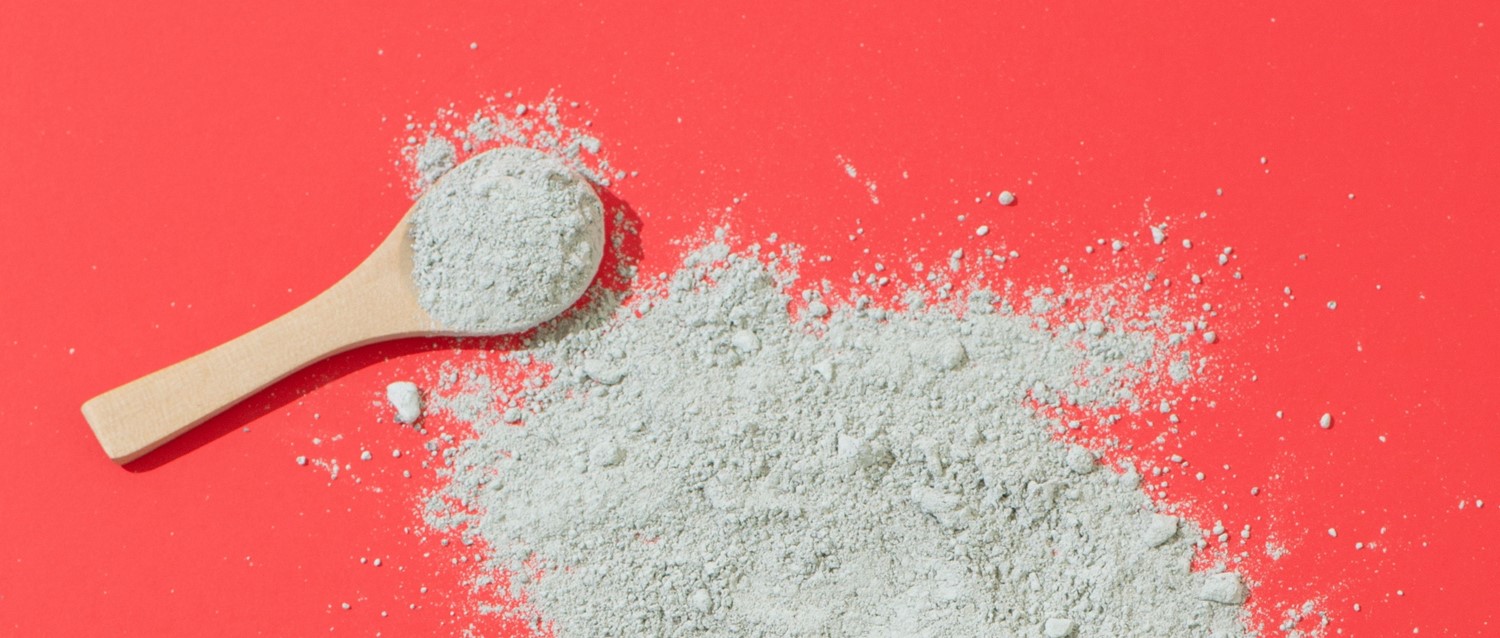
Protein powders are one of the most popular forms of protein supplementation. These powders are mixed with liquid and come in a variety of flavours, making them easy to drink.
They provide concentrated sources of protein extracted from either animal or plant foods, such as milk, eggs, soybeans, and peas. The amount of protein per scoop can vary from 10 to 30 grams.
The three common forms of protein powder
Protein concentrates - producido mediante la extracción de proteínas de los alimentos, utilizando calor y ácido o enzimas. Estos típicamente contienen 60-80% de proteína, con el 20-40% restante compuesto de grasa y carbohidratos.
Protein isolates - implica un proceso de filtrado adicional que elimina más grasa y carbohidratos. Estos contienen alrededor del 90-95% de proteína.
Protein hydrolysates - incluye un calentamiento adicional con ácido o enzimas, rompiendo los enlaces entre los aminoácidos y permitiendo una absorción más rápida en tu cuerpo. Investigación muestra que los hidrolizados pueden aumentar los niveles de insulina - una hormona importante para los músculos proteicos - más que otras formas de proteína, mejorando así el crecimiento muscular.
Protein powder pros and cons
Los expertos generalmente están de acuerdo en que los polvos de proteína pueden apoyar el entrenamiento de fuerza. La proteína de suero, por ejemplo, es la más comúnmente utilizada y most effective powder. Estudios revelar que puede ayudar a construir y mantener la masa muscular, asistir a los atletas en la recuperación de ejercicios intensos y aumentar la fuerza muscular en respuesta al entrenamiento de fuerza.
Polvos de proteína de origen vegetal, como la proteína de guisante y soja, aren't as effective for MPS como los polvos lácteos, como el suero y la caseína. Sin embargo, como las proteínas naturales de origen vegetal también contienen niveles más bajos de aminoácidos esenciales, los vegetarianos y veganos que buscan aumentar su fuerza pueden considerar suplementos para mejorar el consumo total de proteínas. También puede haber beneficios adicionales para la salud: por ejemplo, el polvo de proteína de soya se deriva de los granos de soya, lo que ayuda a fortalecer el sistema inmunológico y apoya la salud ósea.
If you're considering taking protein powder to support strength training, there are benefits and limitations to consider. Deciding whether this additional source of protein is worth it may depend on several personal lifestyle factors and preferences.
Sin embargo, en última instancia, deberías preguntarte si tienes la intención de entrenar con resistencia lo suficientemente regular como para justificar la ingesta adicional. Algunos estudios también sugieren que la suplementación no siempre mejora todos los indicadores de fuerza muscular, incluso para las personas que realizan ejercicios de fuerza regularmente.
Benefits of protein powder
Convenience - simplemente mezclar el polvo con líquido para hacer batidos de proteínas es fácil y rápido de consumir. Según Ball, esto hace que el polvo de proteína sea particularmente atractivo para aquellos con poco apetito y para personas con vidas ocupadas que no tienen tiempo para preparar una comida completa.
Speed of absorption - los batidos de proteínas son absorbed more quickly que los alimentos sólidos. Esta es una consideración importante para el entrenamiento de fuerza, ya que consumirlos directamente después de un entrenamiento puede hacerlos más efectivos para la MPS.
Fat content - la mayoría tiene poco o ningún contenido de grasa en comparación con los alimentos ricos en proteínas, lo que permite un efecto enfocado principalmente en el crecimiento del tejido muscular.
Quantity of protein - proporcionan una concentración muy alta de todos los aminoácidos esenciales en comparación con el mismo tamaño de porción de proteína natural. Sin embargo, hay límites en cuanto a la cantidad de proteína que necesitas para la fuerza muscular. Los músculos solo pueden manejar alrededor de 25-35 g de proteína a la vez. El exceso de proteína de una sobrecarga en batidos de proteínas probablemente se utilizará para otras funciones corporales.
Protein powder considerations
Lack of other nutrients - las fuentes naturales de proteínas también ofrecen vitaminas esenciales, minerales, carbohidratos y grasas saludables que no están disponibles en el polvo de proteína. Por lo tanto, el polvo de proteína no debe tomarse como un reemplazo de la proteína de los alimentos.
Unhealthy ingredients - a diferencia de las fuentes naturales de proteínas, pueden contener conservantes, colorantes artificiales y azúcar añadido, aunque esto varía entre los polvos.
Safety concerns - Ball destaca que "hay algunas preocupaciones respecto a la contaminación por plomo o metales pesados". En 2018, un report by Clean Label Project reveló que muchos polvos de proteína contenían metales pesados dañinos y otras toxinas que están vinculadas a problemas de salud. Ball aconseja comprar solo a proveedores de confianza.
Additional cost - el polvo de proteína podría terminar siendo un costo adicional caro además de las compras de alimentos ricos en proteínas.
Selecciones del paciente para Ejercicio y actividad física

Vida saludable
¿Estás pensando en probar la natación en aguas abiertas? Lee esto primero
Nadar en aguas abiertas, en pocas palabras, es nadar en agua natural en lugar de en una piscina o un entorno controlado como las piscinas locales. Aunque puede ser una excelente manera de hacer ejercicio, relajarse y pasar tiempo en la naturaleza, también tiene algunos inconvenientes adicionales. Esto es especialmente cierto en el Reino Unido, donde el clima puede ser impredecible y las temperaturas del agua a menudo se mantienen sorprendentemente frías, incluso durante el verano.
por Victoria Raw

Vida saludable
HIIT para la pérdida de peso: ¿cómo se compara con el cardio tradicional?
Para muchas personas, la principal prioridad al ir al gimnasio es perder peso. Pero la idea de pasar horas y horas caminando en una cinta puede ser desalentadora. Si tan solo hubiera una manera de obtener los mismos resultados en ráfagas cortas e intensas. Si esto es algo que te preguntas, entonces probar HIIT para perder peso puede ser la respuesta. Pero, ¿cómo se compara con el ejercicio cardiovascular más tradicional?
por Gemma Grange
Sobre el autorVer biografía completa

Amberley Davis
Escritora senior
BA (Hons), CPD
Amberley es una escritora senior en Patient y ha escrito extensamente sobre una variedad de temas de salud y bienestar.
Acerca del revisorVer biografía completa

Dra. Sarah Jarvis
Consultora Clínica
MA (Cantab), BM, BCh (Oxon), DRCOG, FRCGP, MBE
Después de formarse en medicina en Cambridge y Oxford, la Dra. Sarah Jarvis MBE se convirtió en médica general.
Historial del artículo
La información en esta página es revisada por pares por clínicos calificados.
Artículo también disponible en Inglés, Alemán, Español, Francés, Italiano, Portugués, Hindi, Hebreo, Árabe, y Sueco.
27 de enero de 2022 | Última versión
27 de enero de 2022 | Publicado originalmente

Pregunta, comparte, conecta.
Navega por discusiones, haz preguntas y comparte experiencias en cientos de temas de salud.

¿Te sientes mal?
Evalúa tus síntomas en línea de forma gratuita
Suscríbete al boletín de Patient
Tu dosis semanal de consejos de salud claros y confiables, escritos para ayudarte a sentirte informado, seguro y en control.
Al suscribirte aceptas nuestros Política de Privacidad. Puedes darte de baja en cualquier momento. Nunca vendemos tus datos.
Más sobre vida saludable
- Las 5 mejores aplicaciones para un Enero Seco en 2024
- Análisis de piel con IA: qué es y por qué los expertos advierten en su contra
- Positividad corporal: 7 hábitos diarios para el amor propio y la aceptación a cualquier edad
- Rompiendo el estigma de la salud mental
- Desmintiendo estereotipos y mitos sobre personas transgénero
- ¿Importa el IMC?
- ¿Dormir bien realmente mejora tu piel?
- ¿El vapeo envejece o daña tu piel?
- Cómo controlar tu consumo de alcohol en una fiesta de Navidad del trabajo
- Cómo beber menos durante la Navidad y el Año Nuevo
- Cómo dormir rápido: 5 métodos simples para un sueño veloz
- Cómo arreglar tu horario de sueño con una rutina saludable para dormir
- Inyecciones para pérdida de peso Mounjaro: Preguntas frecuentes
- Semana Nacional de las Plantas de Interior: Beneficios para la salud de la biophilia y las plantas
- ¿Cuáles son los beneficios del Pilates postnatal?
- ¿Cuáles son los beneficios de los ejercicios de fuerza?
- ¿Cuáles son los beneficios para la salud mental de hacer la cama por la mañana?
- Qué hacer si te sientes solo
- Por qué estar sentado arruina nuestra salud - y cómo 22 minutos de ejercicio podrían ayudar