
How to stop sweating so much
Revisado por pares por Dr Sarah Jarvis MBE, FRCGPÚltima actualización por Gillian HarveyÚltima actualización 1 Jun 2018
Cumple con las directrices editoriales
- DescargarDescargar
- Compartir
- Language
- Discusión
- Versión en audio
Whilst not the most pleasant of bodily functions, sweating is an important part of our temperature control system. For most of us, a quick shower and a little antiperspirant will be enough to counter any unsightly patches and eliminate that sticky feeling. But for sufferers of excessive sweating - or hyperhidrosis - more extreme measures are needed to keep sweating at bay.
En este artículo:
Videos seleccionados para Otros signos y síntomas
As sweating is a normal bodily function, it can be easy to write off hyperhidrosis or imagine that it's not a serious problem; however, the condition can cause misery for sufferers.
"Everyone sweats," explains dermatologist Dr Anton Alexandroff, spokesperson for the British Skin Foundation. "But if a child at school cannot hold their pen due to excess sweating, or if a person has to change their clothing several times a day it can have a significant impact on their quality of life."
Continúa leyendo abajo
How much is too much?
Whilst hyperhidrosis is a recognised medical condition, there is no actual measure of how much sweat constitutes a diagnosis.
"Increased sweating is a normal response to a rise in body temperature, and to emotions such as anxiety. The amount of sweat considered to be normal is quite variable. People may sweat less than a litre, or up to several litres a day, based on what they're doing and the ambient temperature," explains dermatologist Dr Daniel Glass of The Dermatology Clinic en Londres.
The real measure of whether you are suffering is the impact your sweating has on your life.
"Sweating is, by definition, excessive if it is problematic for you; if your life is significantly affected by the problem," explains Glass.
Why do some people sweat too much?
Volver al contenidoFrustratingly, the cause of primary hyperhidrosis - excessive sweating without additional symptoms - is not yet known. However, if your hyperhidrosis is accompanied by other symptoms, you may be suffering from what’s known as 'secondary hyperhidrosis'.
"Sometimes the menopausia or problems with función tiroidea or infection can cause excessive sweating," explains Alexandroff.
"However, the majority of people who have hyperhidrosis do not have an underlying problem."
Whilst it's important to seek proper medical advice, primary hyperhidrosis has some unique symptoms that set it apart from other conditions.
"Primary hyperhidrosis only happens when we're awake, and never when we're asleep," explains Alexandroff. "It's also bilateral - meaning patients experience the problem from sites on both sides of the body."
"The palms, soles, underarm skin, face and scalp tend to be the most common areas," adds Glass.
Continúa leyendo abajo
What are the treatments?
Volver al contenidoThere are several different treatments for hyperhidrosis, and the treatment prescribed will depend on the severity of your symptoms, how you react to the different treatments and whether an underlying cause is discovered.
However, as with many conditions, the first call for sufferers should usually be the GP.
"Your GP will ask questions to identify whether there might be an underlying cause, and if necessary carry out tests, prescribe treatment or refer to a dermatologist," explains Alexandroff.
Cambios en el estilo de vida
As well as seeking medical advice, it's worth reviewing changes you can make to your lifestyle to minimise the problem. For example, some patients have found limiting their intake of certain foods to be helpful.
"Some people find that spicy foods are a particular trigger for their sweating. Alcohol and caffeine can also be triggers," advises Glass.
It's also worth looking at your clothing to see whether you can alleviate the symptoms by keeping your body temperature stable.
"For example, wearing breathable fabrics, such as cotton and linen, can help to keep you cooler by absorbing the excess moisture, which in turn reduces sweating. Clothing with modern fabric technology such as sweat wicking is also a good option as they have been designed to help people keep cool and draw moisture away from the body to allow it to evaporate quickly and easily. Absorbent under-layers can also help to minimise the outward symptoms of hyperhidrosis," says Glass.
Finally, as many people find this condition is worsened or triggered by stress and ansiedad, it's worth looking into strategies to keep these to a minimum.
"Stress or worry about this condition can cause you to start sweating profusely and the fear of excessive sweating itself can also be a trigger, resulting in a vicious circle. Being aware of this can help you find ways to identify and cope with your anxiety before it triggers the excessive sweating cycle," explains Glass.
So, once hyperhidrosis is diagnosed, what treatments are sufferers offered?
Antiperspirant
"The first treatment is medical-grade antiperspirant, containing a higher dose of aluminium chloride than standard antiperspirants," explains Alexandroff. "This can be prescribed by your GP."
Iontoforesis
Iontophoresis is a treatment which involves passing an electric current through the affected areas, whilst they are immersed in water.
"Usually hospitals will allow patients to try this treatment, and if they find it helpful, there is a system that can be bought for use in the home," says Alexandroff. "It's safe and can be used continuously."
Botox
You probably associate this type of treatment as one that is injected into the face, rather than under the armpits or elsewhere; however, botulinum toxin, or Botox®, has been proven to be very effective for those suffering from hyperhidrosis.
"This form of treatment can be injected into the skin to block the action of the nerves which activate the sweat glands. Patients often need multiple injections in the affected area and each treatment can last up to six months. This type of treatment is most commonly used for underarm sweating," explains Glass.
Prescription medication
If the sweating you are experiencing is more generalised then the above methods may prove ineffective. However, there are medications that can be taken to counter hyperhidrosis for patients with more widespread sweating.
"Prescription medicine such as propantheline can be useful to help reduce excessive generalised sweating," explains Glass. "However, there is a careful balance in using these types of drugs, as side effects may outweigh the benefits. These side effects include boca seca, blurred vision, retención urinaria y estreñimiento."
Hope for the future
Volver al contenidoThankfully, those who continue to suffer may be able to take advantage of a new - permanent - treatment for their condition, known as miraDRY®. This involves electromagnetic energy which destroys sweat glands in targeted areas.
"It appears to be a permanent solution to the problem," says Alexandroff. "It's currently available privately in the UK, but the National Institute for Health and Care Excellence (NICE) is looking into the possibility of making it available on the NHS."
Selecciones del paciente para Otros signos y síntomas

Signos y síntomas
Cuándo preocuparse por los sudores nocturnos
Si te has despertado en medio de la noche y encuentras tu ropa y sábanas empapadas de sudor, analizamos qué puede causar estos sudores nocturnos y qué hacer si los tienes.
por Victoria Raw
Signos y síntomas
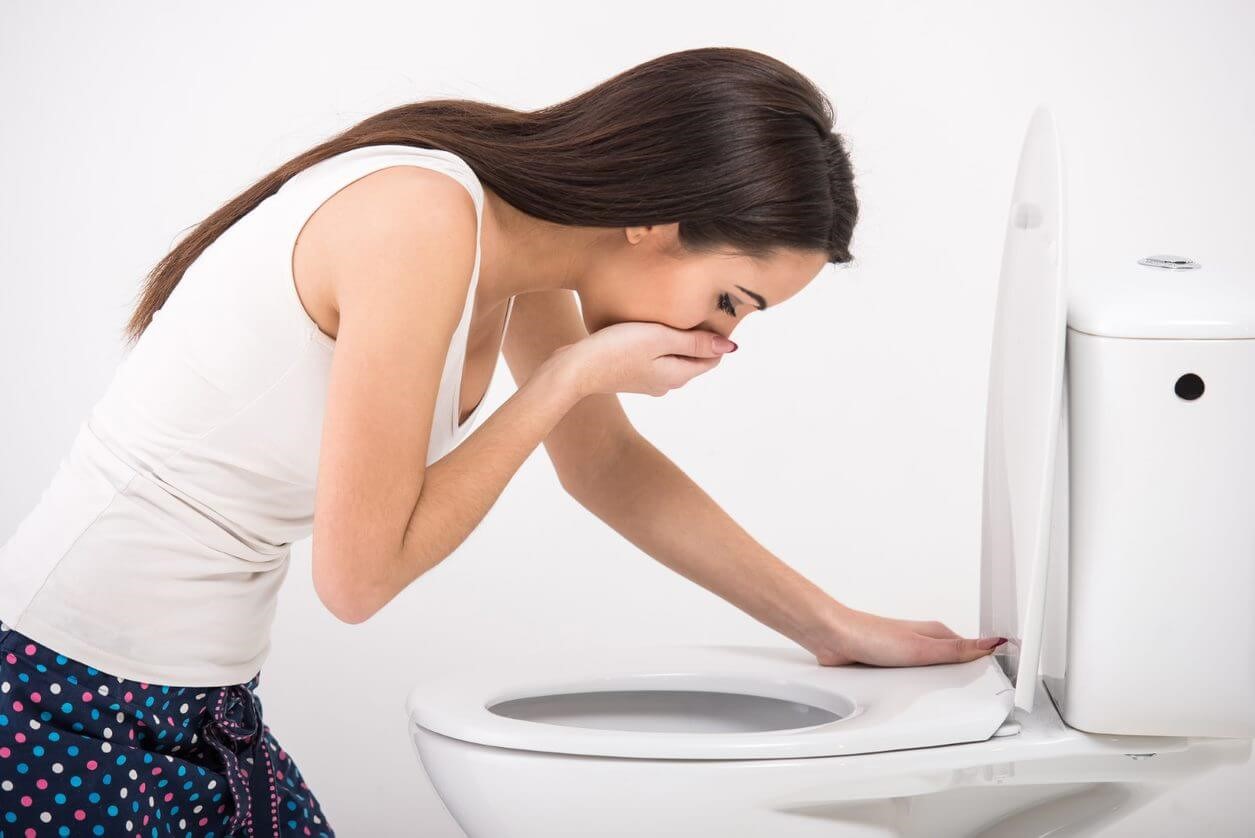
Causas de las náuseas
Sentirse mal - náuseas - o vomitar es una experiencia desagradable. Tendemos a pensar que sentirse mal es un problema intestinal, pero hay muchas otras razones. Tienes un 'centro de vómito' en tu cerebro y a menudo aquí es donde reside el problema. Además, tus oídos internos juegan un papel importante en el equilibrio, y un problema que afecta el oído interno puede provocar vómitos o sensación de malestar además de mareo. Los otros síntomas que acompañan a sentirse mal o vomitar a menudo ofrecen pistas sobre la causa.
por la Dra. Sarah Jarvis MBE, FRCGP
Continúa leyendo abajo
Historial del artículo
La información en esta página es revisada por pares por clínicos calificados.
1 Jun 2018 | Última versión

Pregunta, comparte, conecta.
Navega por discusiones, haz preguntas y comparte experiencias en cientos de temas de salud.

¿Te sientes mal?
Evalúa tus síntomas en línea de forma gratuita
Suscríbete al boletín de Patient
Tu dosis semanal de consejos de salud claros y confiables, escritos para ayudarte a sentirte informado, seguro y en control.
Al suscribirte aceptas nuestros Política de Privacidad. Puedes darte de baja en cualquier momento. Nunca vendemos tus datos.