Can exercise help with grief?
Peer reviewed by Dr Sarah JarvisLast updated by Lydia SmithLast updated 16 May 2018
Meets Patient’s editorial guidelines
- DownloadDownload
- Share
- Language
- Discussion
- Audio Version
- Add to preferred sources on Google
A bereavement can bring a range of extremely difficult emotions and everyone copes with losing a loved one differently. But for some people, exercise provides a way to face grief and keep moving forwards at a time when it is most challenging.

In 2017, Nicola Jane Simmons lost her 23-year-old daughter Hannah in an accident shortly before Christmas.
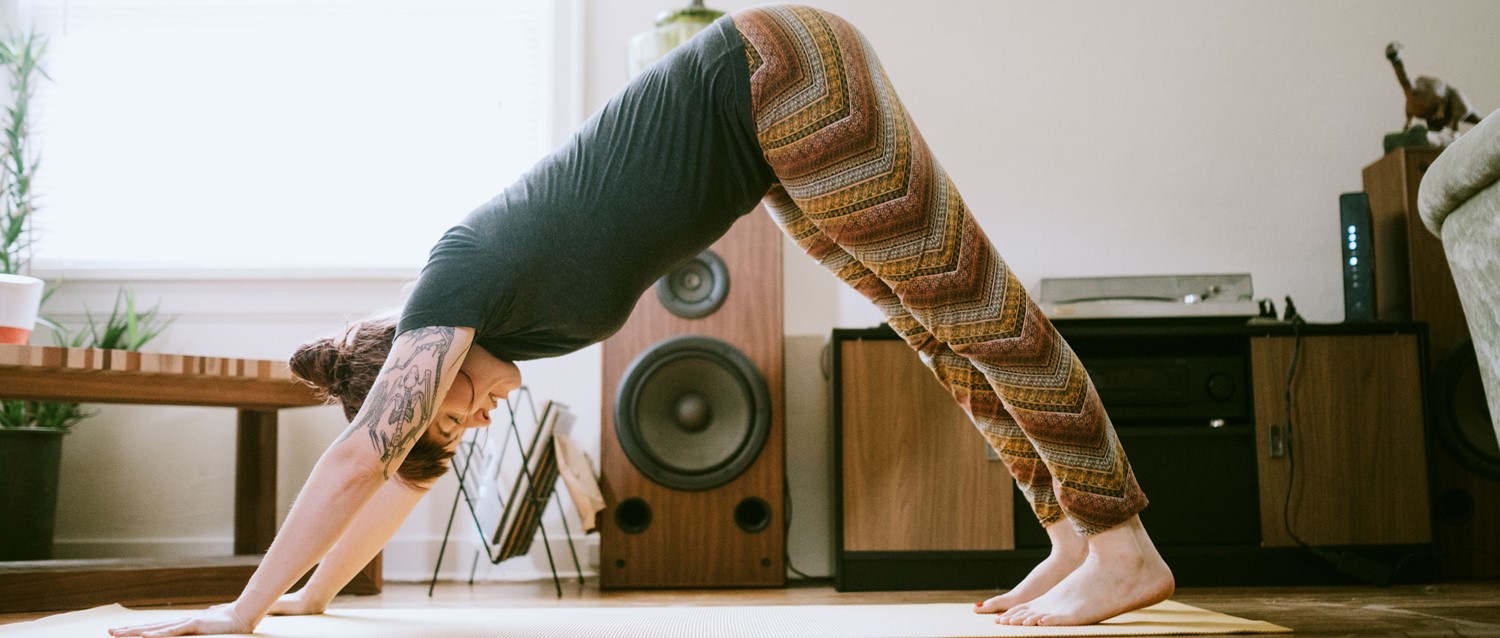
Nicola began yoga, which she had never done before, as a tool to process her grief.
"I was thrown into a situation where I was working full-time as a solicitor and dealing alone with my grief for my daughter, supporting my mother who had lost her first grandchild, my teenage son who has lost his wonderful sister, and her friends who had lost someone very special in their life, and I needed something to help me," she says.
"Yoga has been my solace. I am doing exercise and learning a new physical skill that is keeping me physically fit and releases happy hormones," she adds. "I also find that my yoga and meditation provide me with a safe place to exercise my grief. It has become my lifeline and I want to be able to offer this solution to others who may be in this situation."
Nicola has now set up the Hannah Whitley Foundation in her daughter's name to provide free yoga and meditation to help others who are struggling with loss and grief.
'A positive tool'
Exercise may not extinguish grief but it can play a valuable role in helping people adapt to loss.
Physical activity releases brain chemicals such as endorphins, which help to relieve discomfort and boost our mood. Although grief is not the same as depression, 'complicated grief' - a form of bereavement that triggers strong emotional and physical reactions that can take years to work through - can lead to depression.
A 2017 study by the Black Dog Institute found regular exercise of any intensity can help prevent depression - and just one hour a week can help.
"Exercise is a very good and positive tool that people can use while grieving, mainly because it triggers that release of neurotransmitters and the release of endorphins," explains counsellor Sharon Stallard, who is trained in helping people cope with bereavement.
"Exercise helps regulate a person's mood and can prevent them from going into a low phase which can trigger depression."
Self-care
It can be difficult to think of anything else when dealing with grief, which can be all-consuming. Things that should be simple - eating or going to the shop - can suddenly seem impossible.
"What tends to happen to people going through the grieving process is they tend to eliminate all aspects of self-care, and that can be exercise, diet or socialising with others," Stallard says.
Having space and solitude to work through difficult emotions and feelings can help people process grief but it also risks isolation.
"People can become withdrawn. So exercise can also be a good way of engaging socially."
Focus
Losing a loved one is emotionally draining and grief can take away energy and focus. Dealing with the flood of different emotions - which can unexpectedly re-emerge at any time - can feel relentless and exhausting.
Engaging in exercise can help clear the mind, even if it is just for a few minutes.
"It allows people to have a focus," Stallard says. "While people are doing exercise, you tend to focus purely on that exercise - whether it's a class, or gym or swimming - so it brings a feeling of calmness.
"It can be a motivation to do other things, to just get moving, that gets you back into society and integrates you back into life."
Gaining control
Exercising can also help bring back a feeling of control, which is often lost after someone passes away - and the grieving person is thrust into a world they didn’t want to be in.
"Just being able to take a little bit of control back can sometimes be that first step to feeling a bit better, or being able to go back to work, or something like that," Stallard explains.
This might mean going on a short walk every day - or it might even mean running a marathon. This, Stallard says, can help people reframe their grief so it may benefit others - for example, if they have lost someone to cancer.
"There's a lot of sponsorship that goes around and that's a great motivator to bring something positive and celebrate that person's life as well," she says.
Sleep
Grief doesn't just affect us emotionally, but physically too. A 2010 study from the University of Pittsburgh School of Medicine found that sleep problems were common in bereavement.
These sleep problems, in turn, can impact our mental health and exacerbate grief - as well as contribute to other problems such as obesity, heart disease and type 2 diabetes.
"One of the things I see a lot of the time is people don't sleep, they're awake during the night, they're not engaged in things during the day," Stallard says.
Research suggests exercise can help introduce a healthy regime and improve sleep, which may help mitigate the negative impact of grief.
There is no one-size-fits-all approach when it comes to grief and loss, but there is support available for those who need it.
Counselling
Going to counselling can help some people, but when you decide to go is up to you - it could be after a few weeks or a few months.
"The first point of contact is your GP, just to make sure there are no underlying health conditions or mental health problems," Stallard says.
Your GP will also be able to advise you if you are struggling with sleep problems.
Charities
There are several bereavement charities which can help people deal with different types of grief, such as the Lullaby Trust, which offers support for families coping with the loss of a child due to sudden infant death syndrome ,and the cancer charity Macmillan.
You can access local support services via the national bereavement charity Cruse.
Talking
For some people, talking to a friend, family member or health professional can help begin the healing process and work through challenging emotions. It can also help prevent isolation.
Grief is not an easy subject to talk about, but it is something we all experience at some point.
"The thing with grief is that we just don't talk about it, until it is thrust upon us," Stallard says. "As a society, we really make grief and death such taboo subjects that it's very difficult to know how to handle it."
Patient picks for Grief

Mental health
How to cope with New Year after losing a loved one
Facing a new year after losing a loved one can be particularly upsetting. New Year is often seen as a time for reflection as well as a time to set expectations for the year ahead. This can make coping with memories all the more difficult. The key is to be kind to yourself, and to follow the tips from experts that can make grief a little easier to cope with at New Year.
by Amberley Davis

Mental health
How to support someone bereaved by suicide
Amy* was just 21 years old when her close childhood friend Lydia* took her own life three years ago. "I went through so many different feelings and emotions - complete grief and sadness, mixed with anger and guilt," she explains.
by Sarah Graham
About the authorView full bio

Lydia Smith
Feature writer
BA, MA, MSc
Lydia Smith is an award-winning journalist and feature writer who has written extensively on women's health and mental health. She is currently studying for an MSc in psychology.
About the reviewerView full bio

Dr Sarah Jarvis
Clinical Consultant
MA (Cantab), BM, BCh (Oxon), DRCOG, FRCGP, MBE
After training in medicine at Cambridge and Oxford, Dr Sarah Jarvis MBE became a GP.
Article history
The information on this page is peer reviewed by qualified clinicians.
Article also available in English, German, Spanish, French, Italian, Portuguese, Hindi, Hebrew, Arabic, and Swedish.
16 May 2018 | Latest version
Join the conversation
Share your thoughts or experiences with others in our patient communities.

Ask, share, connect.
Browse discussions, ask questions, and share experiences across hundreds of health topics.

Feeling unwell?
Assess your symptoms online for free
Sign up to the Patient newsletter
Your weekly dose of clear, trustworthy health advice - written to help you feel informed, confident and in control.
By subscribing you accept our Privacy Policy. You can unsubscribe at any time. We never sell your data.
More in mental health
- Can exercise help you feel less stressed?
- Can watching horror films reduce stress?
- Grief and young people: how to cope with loss
- How to combat winter depression and increase your serotonin
- How to cope with a fear of childbirth
- How to cope with anxiety after cancer
- How to decide between different types of therapy
- How to manage your mental health if you've been made redundant
- How to protect your mental health in the workplace as a Black woman
- Is Christmas music good or bad for your mental health?
- Should I switch antidepressants?
- The mental health impact of skin conditions
- The warning signs of stress
- What is the difference between disordered eating and an eating disorder?
- What therapies can treat PTSD?
- Why do we find it comforting to re-watch our favourite movies?
- Why does seasonal affective disorder (SAD) make us crave carbs?
- Why is therapy so exhausting?
- Young people who seek mental health support forced to cope on their own