TikTok’s ‘nonnamaxxing’ trend explained: here’s how living like an Italian grandma can benefit health and wellbeing
Authored by Trudy MeehanOriginally published 28 May 2026
Meets Patient’s editorial guidelines
- DownloadDownload
- Share
- Language
- Discussion
- Audio Version
- Add to preferred sources on Google
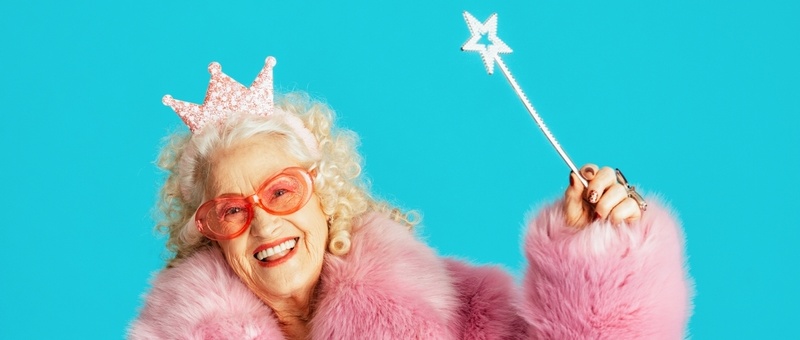
The key to better wellbeing is acting like an Italian grandmother, according to social media’s “nonnamaxxing” trend.
Proponents of the trend say that adopting the lifestyle habits of an Italian nonna will help improve your health and mental wellbeing. The core principles of the trend are simple: make time for your friends and loved ones, eat foods grown from your own garden and cook hearty meals at home.
This latest trend borrows from lifestyle medicine research which shows the same practices being advocated by nonnamaxxing enthusiasts can not only add years to your life, but add life to your years.
So instead of jumping on the nonnamaxxing bandwagon until the next trend rolls around, here are some examples of how you can adopt these habits for life.
Positive social connections
A core tenet of “nonnamaxxing” is making time for friends and loved ones.
Research shows maintaining positive social connections is one of the most helpful factors in supporting health across your lifespan. Social experiences help us regulate emotionally. Not only does this impact our happiness and wellbeing, it also has a whole host of other physiological benefits.
For instance, laughing with our loved ones or holding their hand reduces pain and dampens the stress response. Research also shows social connection can reduce inflammation and improve immune responses.
This doesn’t mean you need to rush out and get married – it’s not just about romantic relationships. Relationships come in many forms. Even micro-moments of positive social interaction – such as having a brief chat with a barista – have measurable health and wellbeing benefits. Research has also found that people who volunteer have a lower risk of catching the common cold.
Collective experiences such as concerts, rituals, dancing, singing or cheering together can also generate “collective effervescence” – a feeling of unity, aliveness and belonging.
When we interact in person, our brains and bodies synchronise with that person in a way that feels good, supports connection and supports health. We feel a greater sense of purpose, belonging and self-worth.
Try gardening
Physical activity and moving every day are among key factors that have been linked with longevity.
But this doesn’t mean you need to hit the gym or go running to see benefits. Even gardening, an activity we might typically associated with an Italian nonna’s lifestyle, has been associated with health benefits.
Gardening is a physically stimulating activity that translates into increased mobility and reduced sedentary behaviour. Reviews also show it’s good for mental health and quality of life.
Due to its multimodal nature, gardening stimulates the brain. We need to plan, coordinate, remember to remember and monitor changes in our garden over time. This type of stimulation supports the development of cognitive reserve – additional healthy brain tissue that helps offset the functional impairments of diseased brain matter as we age. This may explain why activities such as gardening are associated with lower likelihood of being diagnosed with dementia.
Home-cooked meals
Another core tenet of nonnamaxxing is cooking meals at home.
The more frequently you cook at home, the better. Those who cook their own meals tend to have a higher intake of fruit, vegetables and fiber. Cooking at home also means you tend to consume fewer calories, fats and added sugar, which may help regulate blood sugar, reduce body fat and prevent type 2 diabetes.
In the field of positive psychology, cooking is described as an activity that captures key parts of what makes us happy – such as positive emotions and a sense of meaning and accomplishment.
How to get started
If you’re keen to give nonnamaxxing a try, here are a few easy ways to be more like an Italian nonna in your everyday life.
We all know by now that socialising and meeting friends and family is good for us, but if you can’t get together in person make use of technology.
Although technology isn’t quite as good as real-life interactions, try making these interactions intentional when they do happen. Being emotionally responsive, engaged and letting your loved one know you’re there – even while texting – can increase connection and warmth.
And when contacting friends or family, try to call – or at least send a voice message. Social interactions using our voices create stronger social connection compared to text-based interactions.
To give gardening a try, start with something small that grows easily. Even if it’s just a small tomato or strawberry plant you can put on your windowsill. This will give you a sense of purpose, and you’ll be able to enjoy the fruits of your labour, too, which is good for your health.
If you don’t want the responsibility of a garden, getting outside and being in nature – especially in parks or near rivers – will boost both physical activity levels and improve health and wellbeing00025-6/fulltext).
As for cooking your meals at home, don’t feel like you need to start with a complicated recipe. Start with making sandwiches or even snacks and build up to cooking a dinner. Remember, cooking is a skill; you can learn by following a recipe or cooking video.
If you don’t have the time to cook, try eating with someone. Eating together boosts social connection and provides a sense of safety and belonging. If you don’t have anyone to eat with, try picking a food or meal that reminds you of a loved one. This food nostalgia can reproduce feelings of warmth and connection.
While the nonnamaxxing trend may be forgotten in a week, it describes a way of living that’s generations old. Living like an Italian grandma hasn’t just passed the test of time, it’s been tested by health and wellbeing researchers too.
This article is republished from The Conversation under a Creative Commons license. Read the original article.
Patient picks for Health news
Health news
Influencers are promoting dangerous peptides on social media – and regulators are struggling to keep up
Once confined to niche bodybuilding forums and hardcore gyms, unproven injectable peptides are now being openly marketed online to the average gym-goer by social media influencers – and regulators struggling to keep up. Across Instagram, TikTok or YouTube, unapproved and harmful peptide products are being promoted as shortcuts to fat loss, anti-ageing, health and recovery and muscle growth. Peptides actually occur naturally in our body. They regulate a variety of important functions, including metabolism, appetite, hormone production and tissue repair. Synthetic versions of peptides are also used in some medicines, which are legitimate and have been clinically proven. These include GLP-1s (which are used for weight loss and managing diabetes) and insulin. But a booming, parallel “grey market” now exists online for unapproved peptide compounds. These products are primarily being sold by so-called wellness brands and in influencer-led storefronts. Many of these products are marketed as cutting-edge solutions for optimising health and body enhancement. The problem is that many of these substances have not undergone full clinical safety evaluation and are not approved for human use. Many have also been found to be contaminated with other harmful ingredients. Unapproved injectable peptides therefore pose serious health risks. Some of the risks they may pose00092-0/abstract) include nausea, vomiting, abdominal pain, gastrointestinal issues, headaches and fatigue or weakness. Immune issues, as well as allergic reactions and infections have also been reported. Moreover, there’s a clear lack of rigorous human safety data. Yet these risks often aren’t disclosed by the people selling them.
by Luke Cox
Health news
Meningitis B vaccine rollout begins for students – what you need to know
Thousands of students heading to university or residential college this autumn will be eligible for a free meningococcal group B (MenB) vaccine, following an outbreak in Kent earlier this year that was linked to two deaths. From July 20, participating pharmacies across England will offer MenB vaccinations to eligible students. Here’s what you need to know.
by Dr Hamid Merchant
Frequently asked questions
What is 'nonnamaxxing'?
Nonnamaxxing is a trend that encourages living a lifestyle inspired by Italian grandmothers, focusing on positive social connections, physical activity like gardening, and cooking nutritious meals at home. It describes a way of living that has been shown to support health and wellbeing.
How can remote social interactions like calls or texts benefit my health?
While in-person interactions are ideal, remote communication can still foster connection. Being emotionally responsive and engaged, even through texting, increases warmth. Using your voice, such as through calls or voice messages, creates a stronger social connection compared to text-only interactions.
I don't have a garden. Can I still get similar health benefits to gardening?
Yes, even if you don't have a garden, you can still experience similar health benefits. Getting outside and spending time in nature, particularly in parks or near rivers, can boost your physical activity levels and improve your overall health and wellbeing.
What if I feel I don't have enough time to cook at home?
If you are short on time, you can still benefit from cooking principles. Consider eating meals with others, as this boosts social connection and provides a sense of safety and belonging. Alternatively, you could prepare simple snacks or sandwiches to start, gradually building up to more complex meals. Even choosing a food that evokes nostalgia for a loved one can reproduce feelings of warmth and connection.
How do social interactions reduce pain and stress?
Research indicates that positive social interactions, such as laughing with loved ones or holding their hand, can reduce pain and dampen the body's stress response. These experiences help regulate emotions, contributing to improved happiness and wellbeing.
About the authorView full bio
Authored by

Trudy Meehan
RCSI University of Medicine and Health Sciences
Dr Trudy Meehan Chartered Clinical Psychologist registered with the Psychological Society of Ireland. She is a Lecturer at the Centre for Positive Psychology and Health at RCSI University of Medicine and Health Sciences. Her teaching, research and practice is community engaged and her research examines the value of art practice and play.
Join the conversation
Share your thoughts or experiences with others in our patient communities.

Ask, share, connect.
Browse discussions, ask questions, and share experiences across hundreds of health topics.

Feeling unwell?
Assess your symptoms online for free
Sign up to the Patient newsletter
Your weekly dose of clear, trustworthy health advice - written to help you feel informed, confident and in control.
By subscribing you accept our Privacy Policy. You can unsubscribe at any time. We never sell your data.