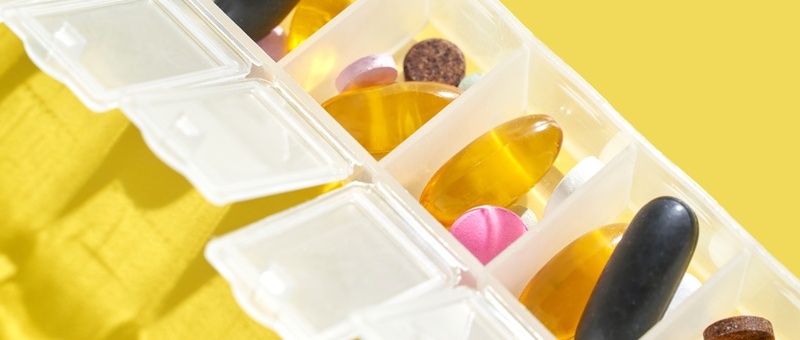
How to keep your medicines safe during hot weather
Authored by Dipa KamdarOriginally published 9 Jul 2026
Meets Patient’s editorial guidelines
- DownloadDownload
- Share
- Language
- Discussion
- Audio Version
- Add to preferred sources on Google
When the weather turns hot, most of us remember sunscreen and water. But what about our medicines? Heat can quietly damage medicines, making them less effective or even unsafe. As heatwaves become more common in the UK and globally, knowing how to store medicines properly is becoming essential.
Why heat can damage medicines
Medicines are more sensitive to temperature than people may realise. Many are designed to be stored below 25°C, ideally between 15°C and 25°C. Specific storage requirements, such as refrigeration (between 2°C and 8°C), will be listed on the packaging.
Above 25°C, the chemical structure of some medicines can begin to break down. This can affect how well the medicine works.
Excessive heat can also cause creams to separate, liquids to evaporate, or capsules to melt. The UK’s drugs regulator, the Medicines and Healthcare products Regulatory Agency, warns that heat can affect tablets, inhalers, insulin and other everyday treatments.1
Which medicines are most affected by hot weather?
Insulin is a protein, and proteins can change shape when exposed to heat. Once this happens, the medicine may not work effectively, and some research shows that insulin loses potency as temperatures rise.2 This is why manufacturers recommend keeping unopened insulin in the fridge and using opened pens or vials only at room temperature for a limited time.
The same is true for GLP-1 medicines, such as Wegovy and Mounjaro. These are used for type 2 diabetes and weight management. Like insulin, they are protein-based medicines, meaning they can break down when exposed to heat and are less likely to be effective. Manufacturers advise keeping GLP-1 pens in the fridge before use and storing them below 30°C once opened.3
Other medicines are also at risk. Inhalers contain gases that can expand in heat, affecting how much medicine is released or causing the inhaler to burst.
A study looking at salbutamol inhalers in real-life summer conditions (often reaching 40°C) delivered up to 12% less salbutamol and produced larger aerosol particles.4 This means less drug reaches the lungs, so patients may receive less relief from their asthma symptoms.
Even medical devices, such as blood glucose monitors, can be affected. A study showed that short bursts of high heat (42°C) and humidity (83% relative humidity) caused glucose meters and strips to give falsely high readings, sometimes by 30% within just 15 minutes.5 Even brief exposure can lead to unsafe overestimation of glucose.
Where medicines are more likely to overheat
The problem is that medicines often overheat in everyday places. Cars are one of the worst locations, as a parked vehicle can reach more than 40°C on a warm day. Windowsills are another danger because direct sunlight can heat medicines far beyond the temperature of the room.
Research estimates that around half of UK homes now overheat (indoor temperatures above 26°C) during heatwaves, especially older buildings that trap warm air.6
Bathrooms are also risky, as humidity and sudden temperature changes can affect both medicines and devices. Research shows that people commonly store medicines in kitchens and bathrooms, where temperature and humidity fluctuate.7
Sustained heat exposure is the real concern. Many medicines may tolerate brief periods of warmth, but several days of high temperatures, especially during a heatwave, increase the chance of chemical breakdown and loss of potency.
Keeping medicines safe during hot weather
There are ways to protect medicines during hot weather.
Avoid storing medicines in bathrooms or kitchens where temperatures change quickly. A room thermometer can be useful. Keep it in the coolest part of the house and away from sunlight. However, even this may not be enough in some homes that overheat.
Closing the curtains or blinds, windows and using fans in the room may help. With persistent heatwaves, it may be worth investing in air conditioning to protect medicines – even a portable option for one room. Currently only around 19% of households in Great Britain have air conditioning.
Travelling requires extra planning. Medicines can also get hot in pockets and bags, so they should be carried in insulated pouches or cool bags. They should not be placed directly next to ice packs, as freezing can be just as damaging as heat. Never leave medicines in a parked car.
Know the signs of damaged medicines
It is also important to know the signs of heat-damaged medicines. Tablets may become soft, crumbly or discoloured. Liquids may look cloudy or have crystals. Inhalers may feel warm or deliver weaker doses.
Any change in appearance or performance should be checked with a pharmacist. For insulin and GLP-1 users, unexplained high blood sugar readings may be a sign that the medicine has been damaged.
Heatwaves may feel like a welcome break from the usual British drizzle, but they bring hidden risks for medicines. As temperatures rise, protecting your medicines becomes just as important as protecting your skin. Keeping them cool, checking for changes and avoiding direct sunlight can help ensure they work exactly as they should.
This article is republished from The Conversation under a Creative Commons license. Read the original article.
Patient picks for Health news

Health news
Influencers are promoting dangerous peptides on social media – and regulators are struggling to keep up
Once confined to niche bodybuilding forums and hardcore gyms, unproven injectable peptides are now being openly marketed online to the average gym-goer by social media influencers – and regulators struggling to keep up. Across Instagram, TikTok or YouTube, unapproved and harmful peptide products are being promoted as shortcuts to fat loss, anti-ageing, health and recovery and muscle growth. Peptides actually occur naturally in our body. They regulate a variety of important functions, including metabolism, appetite, hormone production and tissue repair. Synthetic versions of peptides are also used in some medicines, which are legitimate and have been clinically proven. These include GLP-1s (which are used for weight loss and managing diabetes) and insulin. But a booming, parallel “grey market” now exists online for unapproved peptide compounds. These products are primarily being sold by so-called wellness brands and in influencer-led storefronts. Many of these products are marketed as cutting-edge solutions for optimising health and body enhancement. The problem is that many of these substances have not undergone full clinical safety evaluation and are not approved for human use. Many have also been found to be contaminated with other harmful ingredients. Unapproved injectable peptides therefore pose serious health risks. Some of the risks they may pose00092-0/abstract) include nausea, vomiting, abdominal pain, gastrointestinal issues, headaches and fatigue or weakness. Immune issues, as well as allergic reactions and infections have also been reported. Moreover, there’s a clear lack of rigorous human safety data. Yet these risks often aren’t disclosed by the people selling them.
by Luke Cox
Health news
Medical cannabis prescriptions - the facts behind the headlines
Recent Freedom of Information (FOI) data from the NHS Business Services Authority has prompted sensational headlines about a sharp rise in private prescriptions for medical cannabis in the UK. On the surface, the figures look dramatic. Between 2023 and 2024, prescriptions more than doubled, rising from around 283,000 to 659,000. But these numbers need context. Without it, they risk being misunderstood. This article explains what the data does and does not show, why prescribing has increased, and what this means for patients, clinicians and the NHS.
by Kate Thorpe
Further reading and references
- MHRA: Don’t let the heatwave affect your medicines: Three important tips from the MHRA
- Vimalavathini R & Gitanjali B: Effect of temperature on the potency & pharmacological action of insulin.
- EMC: Wegovy 2.4 mg, FlexTouch solution for injection in pre-filled pen
- Ammari et al: Delivered Lung Dose and Aerodynamic Particle Size Distribution of Salbutamol Pressurized Metered Dose Inhaler After Living Under Patients' Realistic Retention Environments.
- Lam et al: Short-Term Thermal-Humidity Shock Affects Point-of-Care Glucose Testing
- The CCC: Addressing overheating risk in existing UK homes
- Coombs et al: Medicines storage needs to change with the climate
About the authorView full bio
Authored by

Dipa Kamdar
Senior Lecturer in Pharmacy Practice, Kingston University
Her current research interests include inclusive pharmacy practice and education, women’s health, public health and alternative medicine. She holds a Master of Pharmacy and is a registered pharmacist with the General Pharmaceutical Council, as well as a member of the Royal Pharmaceutical Society.
As an academic pharmacist, she teaches undergraduate pharmacy students. She has completed a Postgraduate Certificate in Teaching and Learning in Higher Education and is a Senior Fellow of the Higher Education Academy, now known as Advance HE.
Having worked across several areas of pharmacy, including academia, industry, hospital and community pharmacy, she teaches a broad range of pharmacy practice topics. Her current teaching focus includes minor illness, public health, and pharmacy law and ethics.
Join the conversation
Share your thoughts or experiences with others in our patient communities.

Ask, share, connect.
Browse discussions, ask questions, and share experiences across hundreds of health topics.

Feeling unwell?
Assess your symptoms online for free
Sign up to the Patient newsletter
Your weekly dose of clear, trustworthy health advice - written to help you feel informed, confident and in control.
By subscribing you accept our Privacy Policy. You can unsubscribe at any time. We never sell your data.