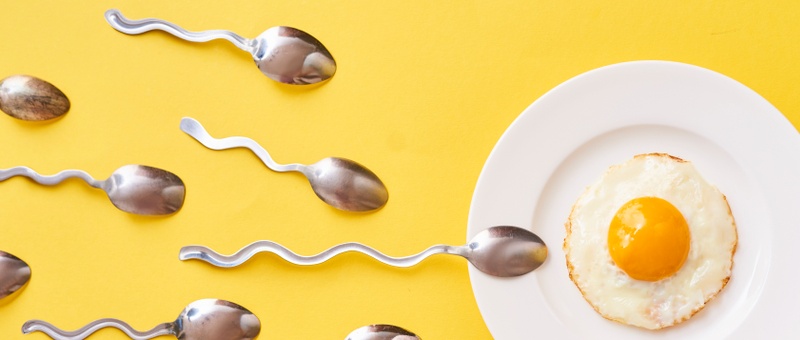
¿Pueden tu dieta y estilo de vida mejorar la fertilidad?
Revisado por Dr Colin Tidy, MRCGPEscrito por Victoria RawPublicado originalmente 2 Jun 2026
Cumple con las directrices editoriales
- DescargarDescargar
- Compartir
- Language
- Discusión
- Versión en audio
- Agregar a fuentes preferidas en Google
Our everyday habits have a powerful influence on our health - shaping everything from our energy levels and mood to our long-term wellbeing. But could those same lifestyle choices also affect fertility?
Hablamos con la terapeuta nutricional Helena Barham-Coppola para explorar cómo factores como la dieta, el ejercicio y el estrés pueden influir en tus posibilidades de concebir, y qué puedes hacer para apoyar mejor tu salud reproductiva.
Explore fertility support options
Reciba asesoramiento sanitario experto desde la comodidad de su hogar. Complete una consulta rápida en línea, disponible las 24 horas del día, los 7 días de la semana, y un profesional sanitario colegiado en el Reino Unido revisará su solicitud. Hay entrega al día siguiente disponible para los tratamientos que cumplan los requisitos.

What foods help support fertility?
Fertility is a complex subject - there’s no one-size-fits-all approach to improving your chances of having a baby. If you’re struggling to get pregnant, there may be underlying health conditions involved, so it's important to speak with your doctor about potential causes. But while changing your lifestyle alone won’t guarantee pregnancy, nourishing your body with wholesome foods can support your overall health. This may, in turn, benefit reproductive function in both men and women.
Helena Barham-Coppola, nutritional therapist and founder of Nourish&Be, London, explains that reproduction is an energy-and nutrient-intensive process. For this reason, she emphasises that both men and women should nourish their bodies with enough energy and nutrients when trying to conceive.
“For example, loss of periods is often seen in women who restrict nutrients and energy, as well as in cases of high stress,” she says. “This makes sense on an evolutionary level - our bodies are less inclined to reproduce when they sense stress, famine, or danger.”
Barham-Coppola notes that diets that focus too heavily on restricting certain foods can negatively impact your nervous system, which may, in turn, affect your overall health.
“It’s a fine balance, of course, between eating healthily and not letting it become a source of stress,” she says. “Approaching food with love and kindness - and appreciating yourself for nourishing your body - can be a really positive way to strike a healthy balance.”
Helena Barham-Coppola

Barham-Coppola recommends including foods rich in certain nutrients to help prepare your body for conception and pregnancy.
These nutrients are especially important for women:
Vitamina A - found in eggs, orange and yellow fruits.
Vitaminas B - particularly folate from dark green vegetables, legumes, and citrus fruits (not synthetic folic acid).
Zinc - found in shellfish, legumes, and eggs.
Omega-3 - in oily fish such as salmon, sardines, and mackerel.
Vitamina D - obtained through sunlight exposure, supplementation, oily fish, egg yolks, and fortified foods.
Can gut health improve fertility?
A healthy gut is central to your overall health. Feeding it with good bacteria (probiotics) and the fibre they need to thrive (prebióticos) keeps your microbiome in balance. This balance does more than support digestion - it helps reduce systemic inflammation and plays a key role in regulating your mood through the gut-brain connection.
According to Barham-Coppola, a healthy gut may also play an important role in fertility and conception.
“If your gut isn’t functioning properly, then you struggle to absorb the nutrients you need,” she says. “This is especially true in the case of fertility.”
She notes that an unhappy, inflamed gut can lead to:
A compromised immune system.
Poor mental health.
The nutritionist explains that an imbalanced gut microbiome (gut dysbiosis) - where harmful bacteria outnumber good bacteria - can create an unfavourable environment for conception. Research suggests this imbalance may disrupt your hormone pathways and negatively affect fertility outcomes.1
She highlights several symptoms to watch for that may suggest your gut is imbalanced and needs extra care and attention.
Estas incluyen:
Hinchazón.
Diarrea.
Estreñimiento.
Irregular bowel movements.
Gut pain.
Some of her favourite “gut soothers” are:
Baked apples with cinnamon - the soluble fibre found in apples (pectin) acts “like a massage for the gut”.
Bone broth - rich in collagen, which may help soothe and support repair of the gut lining.
Why vaginal health matters for conception
Your gut isn’t the only part of your body with its own microbiome. A microbiome is a unique community of microorganisms that exists within its own ecosystem in different areas - including the skin, mouth, airways, and vagina.
Barham-Coppola says that, alongside your gut health, it’s also important to pay attention to your vaginal microbiome.
“A healthy vagina is dominated by lactobacillus species, which help maintain a slightly acidic environment that supports sperm survival and fertilisation, while also protecting against harmful pathogens,” she explains. “However, antibiotic use, stress, and infections can negatively affect your vaginal microbiome.”
Can stress make it harder to get pregnant?
Long-term stress can have a wide range of harmful effects on your body. While stress is something we talk about often, its impact is still frequently underestimated - particularly when it comes to reproductive health and the body’s fertility signals if you’re trying for a baby.
Barham-Coppola explains that a healthy menstrual cycle is regulated by two key hormones - luteinising hormone (LH) and follicle-stimulating hormone (FSH) - both of which are produced by the pituitary gland in the brain. She says that when you’re stressed, your body releases stress hormones such as cortisol, which can interfere with the signals that trigger the release of LH and FSH.
“This is how stress can lead to anovulation - a menstrual cycle with no egg released, therefore no chance of conception,” she explains.
“Stress is also a highly inflammatory state to be in, and can lead to metabolic dysregulation, gut and vaginal microbiome issues. Trying to conceive or not, a stress management plan is always good for your health and wellbeing.”
The best way to exercise for fertility
Maintaining a balanced routine of exercise and rest is important when trying to conceive. Recommended guidelines suggest doing at least 150 minutes of moderate physical activity, or 75 minutes of more vigorous exercise, across the week.
It’s important to stay active without overloading your nervous system. As Barham-Coppola explains, too little exercise can increase your chance of metabolic dysfunction, but too much can be just as harmful - if not more so.
“Exercise is a stressor, so too much of it can place strain on your body and soak up nutrients that could otherwise be used in priming it for reproduction,” she says. “Exercise also increases oxidative stress, which in small amounts is a good thing - keeping blood vessels flexible and supporting sperm development in the testes. However, too much oxidative stress can lead to DNA damage in sperm and eggs.”
The nutritionist emphasises that moderate physical activity is generally associated with better sperm health compared with very high training loads.2 Evidence also suggests that cycling for around five hours per week may negatively affect sperm count in some men.3
For women, weight training may help improve insulin sensitivity and support better fertility outcomes. However, high levels of intense or heavy resistance training have been linked in some studies to reduced egg quality and poorer fertility outcomes.4 Research also indicates that both vigorous physical exercise, and, conversely, a sedentary lifestyle or high índice de masa corporal (BMI) may be associated with infertility in both men and women.5 6
Overall, evidence suggests that balance is key. Rather than pushing exercise to extremes or avoiding it all together - a moderate, consistent approach is likely most supportive when trying to optimise fertility.
Lifestyle changes that support male fertility
A lot of emphasis is often placed on women to 'prime' their bodies for conception through diet and lifestyle changes. However, as we’ve seen, men also play a vital part on the path to pregnancy.
“I cannot emphasise enough how overlooked men’s health is when it comes to fertility,” says Barham-Coppola. “Men need to be aware of how much the quality of their sperm plays a role in the reproductive process. What we are aiming for is minimal DNA damage in sperm to improve the chances of a healthy live birth."
She adds that recurrent miscarriages can sometimes be linked to poor sperm DNA quality, yet responsibility is often placed on women, which can take a significant emotional toll.
Barham-Coppola suggests several ways men can support reproductive health:
Follow a Mediterranean-style diet - including lots of vegetables, fruits, nuts, seeds, whole grains, and lean proteins, while reducing saturated fats and junk food. Include omega-3 sources such as oily fish or marine-based supplements, and eat a colourful variety of plant foods to boost antioxidant polyphenols without overusing supplements.
Maintain healthy lifestyle habits - exercise in moderation and ejaculate regularly, as both can support sperm health and DNA quality.
Reduce harmful exposures - review hair loss medicines such as finasteride, avoid polluted environments where possible, ventilate indoor spaces, limit synthetic fragrances, and use protective masks if exposed to workplace chemicals.
How long does it take to improve fertility?
Realistically, if a couple navigating a fertility journey begins giving their bodies some extra TLC today, it’s important to manage expectations. While these changes can meaningfully support overall health and may help improve fertility outcomes, they are not a miracle cure for underlying fertility-related health conditions.
If you're curious about how long it takes for these lifestyle adjustments to support everyday fertility, Barham-Coppola explains the typical timeframe and what is happening inside your body during this process.
“It takes 3 months for sperm and eggs to fully mature, so think of the 3 months pre-conception as a really important time for your future baby and its long-term health,” she says. “When I support fertility couples, I ideally like to work with them for 6 months to really make some changes to sperm and egg quality.”
Barham-Coppola notes that this process may be more straightforward in younger couples who have more time ahead of them. In older couples, where fertility naturally declines, time becomes more critical - though even a few months of preparation can still make a meaningful difference.
Explore fertility support options
Reciba asesoramiento sanitario experto desde la comodidad de su hogar. Complete una consulta rápida en línea, disponible las 24 horas del día, los 7 días de la semana, y un profesional sanitario colegiado en el Reino Unido revisará su solicitud. Hay entrega al día siguiente disponible para los tratamientos que cumplan los requisitos.
Selecciones del paciente para Fertilidad
Hormonas
Dieta para SOP: Qué comer para manejar los síntomas
Polycystic Ovary Syndrome (PCOS) is a health condition that affects some women from their late teens onwards. Though PCOS is sometimes managed with medicine, its symptoms can be reduced through a combination of healthy lifestyle habits - especially your diet.
por Victoria Raw
Dieta y nutrición
Formas sencillas de seguir una dieta mediterránea
Una dieta mediterránea evoca la imagen de pescado fresco y coloridas ensaladas bañadas en aceite de oliva, acompañadas de una copa de vino tinto, todo mientras se está sentado al sol, por supuesto. Aunque en el Reino Unido no tengamos un sol confiable, ciertamente podemos aprovechar los amplios beneficios para la salud que ofrece la dieta mediterránea.
por Lynn Stephen
Preguntas frecuentes
¿Qué se entiende por 'disbiosis intestinal' y cómo afecta a la fertilidad?
La disbiosis intestinal se refiere a un desequilibrio en tu microbioma intestinal, donde las bacterias dañinas superan en número a las bacterias beneficiosas. Este desequilibrio puede crear un ambiente desfavorable para la concepción, potencialmente al alterar las vías hormonales y afectar negativamente los resultados de fertilidad. Síntomas como hinchazón, aumento de flatulencias, diarrea, estreñimiento, movimientos intestinales irregulares y dolor intestinal pueden sugerir un intestino desequilibrado.
¿Hay alimentos específicos que sean buenos para calmar un estómago alterado?
Sí, algunos alimentos pueden ayudar a calmar tu intestino. Se recomiendan las manzanas al horno con canela porque la fibra soluble (pectina) en las manzanas puede actuar como un 'masaje para el intestino'. También se sugiere el caldo de huesos, ya que es rico en colágeno, lo que puede ayudar a calmar y apoyar la reparación del revestimiento intestinal.
¿Cómo pueden las mujeres apoyar su salud vaginal para mejorar la fertilidad?
Mantener un microbioma vaginal saludable es importante para la fertilidad. Una vagina saludable está dominada por especies de lactobacilos, que crean un ambiente ligeramente ácido. Este ambiente apoya la supervivencia de los espermatozoides y la fertilización, y también protege contra patógenos dañinos. El uso de antibióticos, el estrés y las infecciones pueden afectar negativamente este delicado equilibrio.
¿Qué nutrientes específicos son importantes para las mujeres que intentan concebir?
Para las mujeres que intentan concebir, los nutrientes importantes incluyen la Vitamina A (que se encuentra en huevos, frutas naranjas y amarillas), las vitaminas B (especialmente el folato de vegetales de hojas verdes oscuras, legumbres y cítricos – no ácido fólico sintético), Zinc (en mariscos, legumbres y huevos), Omega-3 (de pescados grasos como el salmón, las sardinas y la caballa), y la Vitamina D (de la luz solar, suplementos, pescados grasos, yemas de huevo y alimentos fortificados).
¿Existen hábitos de vida específicos que los hombres deberían adoptar para apoyar su fertilidad?
Los hombres pueden apoyar su salud reproductiva siguiendo una dieta de estilo mediterráneo, que incluye abundantes verduras, frutas, nueces, semillas, granos enteros y proteínas magras, mientras limitan las grasas saturadas y la comida chatarra. También deben incluir fuentes de omega-3. Además, mantener hábitos de vida saludables, como el ejercicio moderado y la eyaculación regular, puede apoyar la salud del esperma y la calidad del ADN. También se aconseja reducir la exposición a sustancias nocivas como ciertos medicamentos para la caída del cabello, ambientes contaminados, fragancias sintéticas y productos químicos en el lugar de trabajo.
Lecturas adicionales y referencias
- Gut Microbiome Dysbiosis and Its Impact on Reproductive Health: Mechanisms and Clinical Applications
- Response of semen parameters to three training modalities
- Physical activity and semen quality among men attending an infertility clinic
- Heavy lifting and shift work are linked to reduced fertility
- Physical activity and fertility in women: the North-Trøndelag Health Study
- Sedentary behavior, physical inactivity and body composition in relation to idiopathic infertility among men and women
Sobre el autorVer biografía completa
Escrito por

Victoria Raw
Redactora de artículos
Licenciatura en Artes (Hons), Literatura Inglesa
Victoria es redactora de contenido en Patient, con intereses especiales que abarcan el bienestar mental, las tendencias sociales y el impacto de la tecnología en nuestra salud.
Acerca del revisorVer biografía completa

Dr Colin Tidy, MRCGP
Médico General, Autor Médico
MBBS, MRCGP, MRCP (Paediatrics), DCH
El Dr. Colin Tidy es un médico del NHS, con sede en Oxfordshire.
Historial del artículo
Artículo también disponible en Inglés, Alemán, Español, Francés, Italiano, Portugués, Hindi, Hebreo, Árabe, y Sueco.
Next review due: 2 Jun 2029
2 Jun 2026 | Publicado originalmente
Escrito por:
Victoria RawRevisado por
Dr Colin Tidy, MRCGP
Únete a la conversación
Comparte tus pensamientos o experiencias con otros en nuestro comunidades de pacientes.

Pregunta, comparte, conecta.
Navega por discusiones, haz preguntas y comparte experiencias en cientos de temas de salud.

¿Te sientes mal?
Evalúa tus síntomas en línea de forma gratuita
Suscríbete al boletín de Patient
Tu dosis semanal de consejos de salud claros y confiables, escritos para ayudarte a sentirte informado, seguro y en control.
Al suscribirte aceptas nuestros Política de Privacidad. Puedes darte de baja en cualquier momento. Nunca vendemos tus datos.