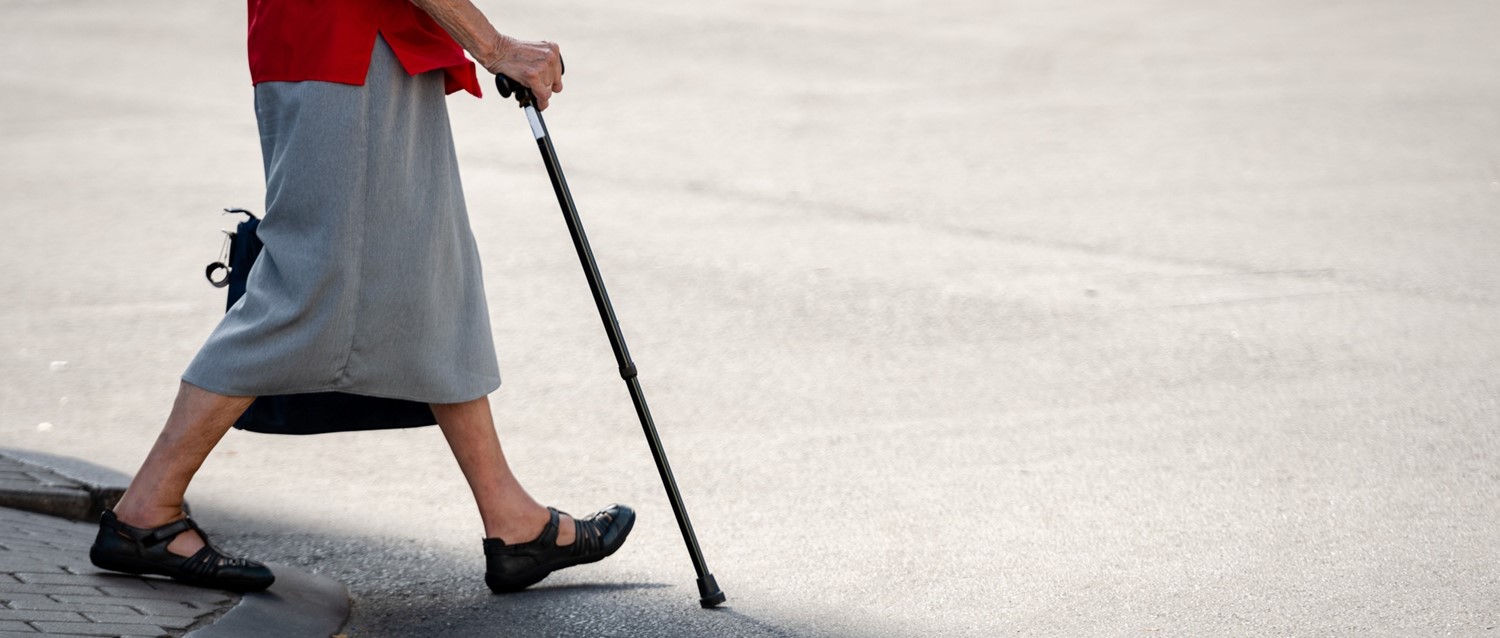
Can physiotherapy prevent falls in older people?
Peer reviewed by Dr Sarah JarvisAuthored by Natalie HealeyOriginally published 1 Jun 2020
Meets Patient’s editorial guidelines
- DownloadDownload
- Share
- Language
- Discussion
- Audio Version
- Add to preferred sources on Google
Older people are at greater risk of experiencing a fall but there are many ways to reduce the chances of one happening. Physiotherapy can help improve strength, balance and flexibility to prevent slips and tumbles.
Someone of any age can have a fall. But older adults are more likely to experience one. Around a third of people aged 65 and over fall every year. Fortunately, most tumbles don't result in a serious injury but they can lead to fractures. And even a mild fall can cause a loss of confidence and independence.
Falls can be serious for some people though. In the UK, they are the most common cause of injury-related death in the over-75s. So it's really important to do what you can to reduce the chances of one happening.
Why are older people at risk?
Older people are more at risk of a fall because we lose muscle as we age. You're also more likely to experience balance problems, poor vision or a health condition that causes dizziness when you're older. Some medications can make falls more likely too.
But trips are not inevitable in older people, explains physiotherapist Jo Coulter. And while we can't halt the ageing process, there are plenty of steps you can take to prevent falls.
"Many older people believe that they're going to have falls and see it as a normal thing. But it's not," she says.
Regular eye tests can make a big difference. And it's a good idea to check your home for trip hazards. Look for loose rugs or mats, places where lighting could be improved and problems on the stairs such as broken handrails. But one of the most significant ways of reducing the risk of falling is improving your activity levels.
Why staying active can help
Coulter explains that your muscles send the brain information about how to move your body to prevent injury.
"The more muscle you have, the more feedback you're going to give the brain about where you are in space, how you are balanced and how to prevent a fall," she says.
The key to building up muscle is regular physical activity. It's recommended that all adults aim to do two and a half hours of moderate-intensity exercise a week. However, most people aren't meeting this target, or mistakenly believe that a gentle daily stroll is enough.
"Walking is very good for lots of health reasons, but it doesn't reduce your risk of having a fall and won't increase a person's strength," reveals Chris Tuckett, physiotherapist and Public Health England physical activity champion.
He encourages older people to include muscle-strengthening activities in their routine, such as exercising with weights, doing yoga or carrying heavy shopping at least two days a week.
For older people who are worried about losing muscle and aren't as active as they used to be, a physiotherapist can help by assessing physical strength, flexibility and balance. They can recommend a tailored exercise plan to help build muscle and make the chances of falling less likely.
"There is a real need to prevent the loss of strength as people get older," says Tuckett. "We need to have conversations about how active they are and to make them realise maintaining activity levels can prevent them from becoming frail, having a fall or suffering injuries from a fall."
Exercises to try at home
Even if you can't see a physiotherapist for a little while, there are plenty of easy exercises you can try at home to improve your strength and balance and reduce your risk of a fall. Try the following routines two to three times a week.
Calf raises
Stand up straight.
Raise your heel until you are standing on your tiptoes.
Lower slowly back to the start.
Repeat ten times.
"The calf muscles are very important for being able to right yourself if you feel yourself falling forwards. They also have a valuable function in terms of regulating blood pressure," says Tuckett. "Often if an older person stands up too quickly, blood can pool around their ankles which can cause them to feel dizzy. But doing some calf raises helps to move that blood back up."
Sit to stand
Sit tall at the front of a chair.
Lean forwards slightly and stand up.
Step back until your legs touch the chair.
Slowly lower yourself back into the chair.
Repeat ten times.
"This one's really good for lower leg strength. When you lose lower leg strength it makes a lot of things in life very difficult, from getting on to a bus to getting out of the car," points out Tuckett.
One-leg stand
Balance on one leg.
Keep your posture upright.
Hold the position for 10 seconds.
Repeat with the other leg.
"This one might be quite high level for some people, but you can use the back of a chair for balance," says Tuckett.
He wants everyone to know that while falls can't be prevented entirely, lack of strength and balance is a significant cause and these can be easily improved. "Some people think that once they get older they can't build muscle or improve balance, but they absolutely can."
Even though they might not be able to offer in-person appointments during the coronavirus pandemic, physiotherapists can still help you regain movement and reduce pain. You can now book private video appointments with a trained and experienced physiotherapist on Patient Access.
Patient picks for General health

Senior health
Navigating Christmas with a chronic illness
While Christmas really can be 'the most wonderful time of the year', the festivities aren't joyful for everyone. If you live with a chronic illness, it's understandable if you find Christmas stressful or anxiety-inducing. However, it is possible to find enjoyment in the festive season alongside managing your conditions.
by Emily Jane Bashforth
Senior health
Are older adults missing out when it comes to digital healthcare?
Thanks to technology advances, healthcare services are more accessible than ever. The NHS has committed to digitally enabled care going mainstream. And during the COVID-19 pandemic more services have gone online than ever before. But are older people who don't feel confident with the internet being left behind?
by Milly Evans
About the authorView full bio

Natalie Healey
Freelance journalist
BSc (Hons) Biomedical Science
She is a London-based health journalist who has been writing about science and medicine for several years. She is the former head of editorial at Patient.
About the reviewerView full bio

Dr Sarah Jarvis
Clinical Consultant
MA (Cantab), BM, BCh (Oxon), DRCOG, FRCGP, MBE
After training in medicine at Cambridge and Oxford, Dr Sarah Jarvis MBE became a GP.
Article history
Article also available in English, German, Spanish, French, Italian, Portuguese, Hindi, Hebrew, Arabic, and Swedish.
1 Jun 2020 | Originally published
Authored by:
Natalie HealeyPeer reviewed by
Dr Sarah Jarvis
Join the conversation
Share your thoughts or experiences with others in our patient communities.

Ask, share, connect.
Browse discussions, ask questions, and share experiences across hundreds of health topics.

Feeling unwell?
Assess your symptoms online for free
Sign up to the Patient newsletter
Your weekly dose of clear, trustworthy health advice - written to help you feel informed, confident and in control.
By subscribing you accept our Privacy Policy. You can unsubscribe at any time. We never sell your data.
More in senior health
- 10-Week Healthy Ageing Course
- Can mental health problems and stress affect your memory?
- Could an optimistic outlook help you live longer?
- Ear tickle' therapy could slow down ageing
- End of life care: medical, emotional and spiritual support
- Good heart health in middle age may lower risk of dementia
- Gout diet: foods to eat and avoid
- Healthy ageing - what you need to know
- How does diet affect dementia?
- How to make shopping easier for people with dementia
- How to protect your joints as you get older
- How to reduce your risk of dementia
- Is it dementia or just forgetfulness?
- Is this the reason Alzheimer's is more common in women?
- What are the options for end of life care?
- What is early Alzheimer’s disease - and what causes it?
- What it's like to be a young person with arthritis
- What it's really like to live with gout
- What you need to know about end of life care