COVID-19 coronavirus: how to eat healthily from the cupboard and freezer
Peer reviewed by Dr Sarah JarvisAuthored by Sally TurnerOriginally published 3 Apr 2020
Meets Patient’s editorial guidelines
- DownloadDownload
- Share
- Language
- Discussion
- Audio Version
- Add to preferred sources on Google
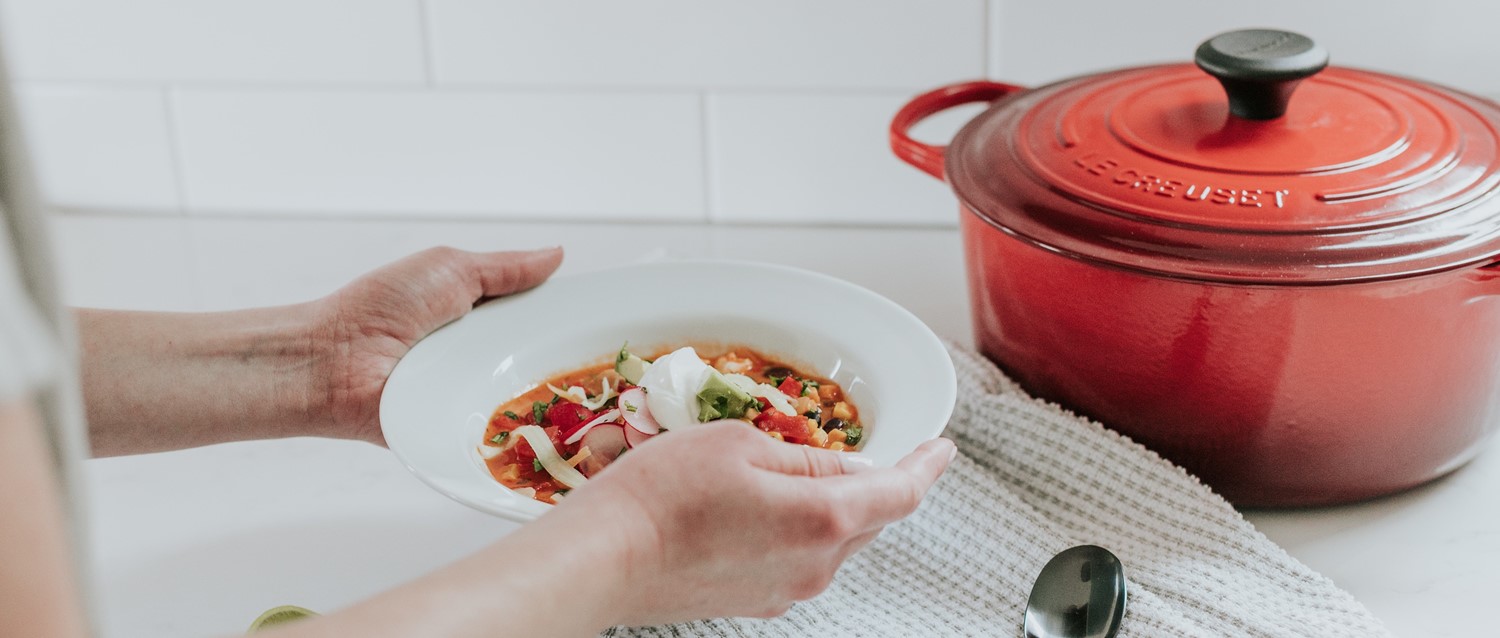
With new government guidelines telling us to minimise trips to buy food and other essentials as much as possible, getting out to buy fresh foods regularly will be a challenge. We look at the cupboard and freezer basics that will fill you up and provide plenty of nutrients.
Use Patient's coronavirus checker tool if you have any symptoms of fever or a new cough. Until you have used the tool and been advised what action to take, please stay at home and avoid contact with other people.
Many of us never delve into the far reaches of our food cupboards and freezer drawers, preferring to shop for the 'usual suspects' we think we need. Now is an opportune time to use up the products hidden away in our kitchens and to get creative with what's available.
Priya Tew is an award-winning dietician known for her no-nonsense approach to nutrition on BBC 1's Eat Well For Less.
"While we're self-isolating and cooking with what we have in, it's still important to think about getting that balance in your diet. So eat fruit, vegetables, protein, carbohydrates and healthy fats, but you might have to be a bit more creative in how you do that," she says.
Cupboard basics
Most of us have a few long-lost tins of beans, pulses and soups in the back of our cupboards. Make a tinned soup go further by using it as the basis for a sauce or a stew, using the beans and pulses and whatever vegetables you have available.
"Nuts and dried fruit are good supplies to have in, they're great for snacking and provide an energy boost," says Tew. "Lentils are an easy protein source and so is nut butter. Both keep well in the cupboard."
If you're out of stock cubes, or herbs and spices, kitchen staples such as Marmite, ketchup and chilli sauce can add heat and flavour to your cooking.
Freezer essentials
If you have a freezer, it's worth spending a day cooking up meals in bulk to freeze. That way, if you don't feel like cooking or haven't got ingredients in, you have some easy options.
"Always have a loaf of sliced bread in your freezer and some milk," says Tew. "Frozen veg is easy to use, as it's already chopped, and Quorn mince keeps well frozen. Just add a tin of tomatoes and a stock cube and you've got a nutritious meal with pasta."
Soups, sauces and stews are great to freeze as are most fruits and vegetables. Before freezing fruit and vegetables, wash, dry and divide into handy portions. Blanching most vegetables will keep them at their best. To do this, drop them into boiling hot water, then immediately into iced water before drying and freezing. Herbs and leafy greens can also be chopped, blanched and frozen this way.
Other foodstuffs, including meat, fish, raw dough, breads and cakes, do well in the freezer, as do some items you might not have considered. Butter, shelled nuts, flour, grated cheese and raw eggs (cracked into containers) can also be frozen.
It's best to avoid freezing cooked eggs, yoghurt, blocks of cheese and low-fat dairy products though. Cooked pasta often has a soggy consistency when frozen and defrosted; undercooking it before the freezing process may help prevent this; it will then cook through when reheated.
Defrost food in the bottom of the fridge overnight or in a microwave on the defrost setting. Ensure it is fully defrosted before use. Fruit and veg will usually keep for up to a year in the freezer. But it's best to use foods containing fish, fresh diary or raw or lightly cooked eggs within a month.
Plan your shop
If you've cleared out your cupboards and need to re-stock, Tew's advice is to think about what you actually need and how foods and ingredients might work together.
"Get some basics in," she says. "But plan ahead. A really good idea is to write out a list of maybe fourteen meals that you could cook from scratch that use store cupboard ingredients so you don't have to keep going to the shop every few days to buy fresh produce."
Choose carbohydrates such as flour, pasta, rice and other grains that can be easily stored; tinned or frozen products such as beans and pulses, vegetables and fruits, and meat and fish are also useful staples. Basic condiments including olive oil, bottled sauces, stock cubes and dried herbs and spices will also come in handy.
"Rather than just panic buying and getting 25 tins of chopped tomatoes because they're on offer or you're worried about running out, think about what you're going to do with them," advises Tew. "Otherwise you'll get to the point where you start cooking and can't go out and you won't have the rest of the ingredients. Look at what you will actually need for a couple of weeks based on your plan and just buy that. Include freezer meals for added convenience."
Try something different
If you visit the supermarket and find that stocks of your go-to favourites are running low, think of it as an opportunity to try something different.
"Tinned fish is a great staple to have in the cupboard," says Tew. "But if you find the supermarket shelves are empty of favourites like sardines and tuna in oil, try sardines in tomato sauce. It makes a quick and nutritious meal, either on toast or as a jacket potato topping."
Other less popular seafood such as tinned crab, herrings and shellfish can also be used as a substitute.
"When I went to the frozen veg section the other day, all that was left was Brussels sprouts and edamame beans," adds Tew. "They might not be what you'd usually buy, but edamame beans are a great source of protein and Brussels can be one of your five-a-day veg."
If you're faced with empty shelves and foods you don't usually buy, pick up your phone and try Googling a recipe that includes what is available. You'd be surprised at the tasty meals you can whip up with frozen edamame beans, Brussels sprouts and numerous other foods you might not ordinarily buy.
Patient picks for General information
COVID-19
What are the differences between colds, flu and COVID-19?
Colds, flu and COVID-19 all come with at least some similar symptoms - so how can you know which is which, and what should you do if you're worried?
by Abi Millar

COVID-19
Are we prepared to fight flu and COVID-19 this winter?
This winter is likely to be unlike one we've seen before. With COVID-19 and flu set to be circulating as the weather gets colder, there's an increased risk from both infections. A big spike in either of the viruses will put extra strain on the NHS, which is already struggling to recover from the impact of the pandemic so far.
by Andrea Downey
About the authorView full bio
Authored by

Sally Turner
Freelance Journalist
BA Media Production
Sally Turner is a writer and broadcaster specialising in sexual health and women’s issues.
About the reviewerView full bio

Dr Sarah Jarvis
Clinical Consultant
MA (Cantab), BM, BCh (Oxon), DRCOG, FRCGP, MBE
After training in medicine at Cambridge and Oxford, Dr Sarah Jarvis MBE became a GP.
Article history
Article also available in English, German, Spanish, French, Italian, Portuguese, Hindi, Hebrew, Arabic, and Swedish.
3 Apr 2020 | Originally published
Authored by:
Sally TurnerPeer reviewed by
Dr Sarah Jarvis
Join the conversation
Share your thoughts or experiences with others in our patient communities.

Ask, share, connect.
Browse discussions, ask questions, and share experiences across hundreds of health topics.

Feeling unwell?
Assess your symptoms online for free
Sign up to the Patient newsletter
Your weekly dose of clear, trustworthy health advice - written to help you feel informed, confident and in control.
By subscribing you accept our Privacy Policy. You can unsubscribe at any time. We never sell your data.