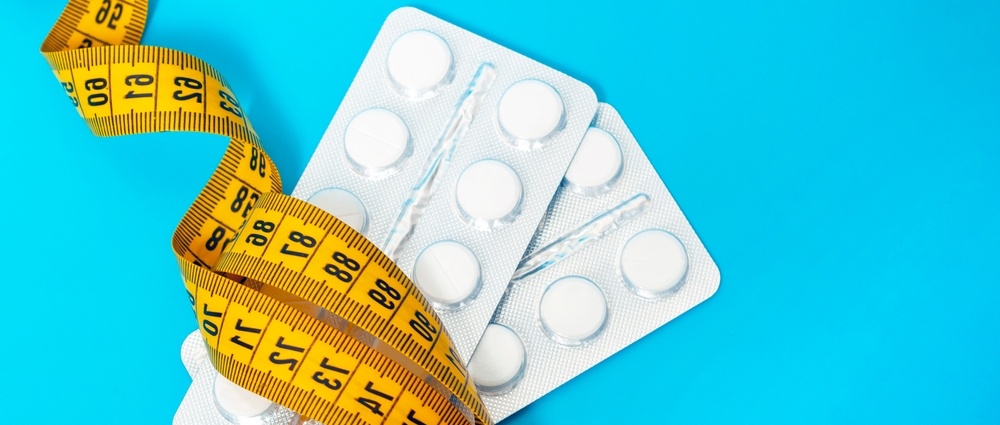
Wegovy pill: how does the new weight-loss tablet work?
Peer reviewed by Dr Colin Tidy, MRCGPAuthored by Thomas Andrew Porteus, MBCSOriginally published 12 Jul 2026
Meets Patient’s editorial guidelines
- DownloadDownload
- Share
- Language
- Discussion
- Audio Version
- Add to preferred sources on Google
A daily Wegovy pill is now available privately in the UK, offering an alternative for people who would prefer not to use weekly weight-loss injections. But how effective is it, who can take it, and is swallowing a tablet really more convenient?
Need weight loss treatment?
Start a quick online consultation through Patient.info, available 24/7.
Reviewed by UK-registered clinicians and powered by Evaro, a UK-regulated healthcare service. Treatment can often be delivered next day.

The first GLP-1 tablet licensed specifically for weight management has gone on sale through UK high street and online pharmacies.
The tablet contains semaglutide, the same active medicine used in the weekly Wegovy injection. However, instead of injecting it once a week, the tablet must be taken every day and following precise instructions.
What is the Wegovy pill?
The Wegovy pill is a prescription weight-management medicine containing semaglutide.
Semaglutide belongs to a group of medicines called glucagon-like peptide-1 receptor agonists, usually shortened to GLP-1 receptor agonists.
These medicines imitate the effects of GLP-1, a hormone that is naturally released after you eat.
They act on areas of the brain involved in appetite and can help you:
Feel fuller for longer.
Feel less hungry.
Experience fewer food cravings.
Eat smaller amounts of food.
The Medicines and Healthcare products Regulatory Agency (MHRA) approved Wegovy tablets for weight loss and weight management on 11 June 2026. It is the first oral GLP-1 weight-management treatment to be approved in the UK.
The tablet is intended to be used alongside a reduced-calorie diet and increased physical activity. It is not designed to replace healthy eating, movement, or ongoing clinical support.
Who can take the Wegovy pill?
Wegovy tablets may be prescribed to adults who have either:
A body mass index (BMI) of 30 or above, which is classed as obesity.
A BMI of between 27 and 30, alongside at least one weight-related health condition.
Weight-related conditions may include type 2 diabetes, high blood pressure, high cholesterol, cardiovascular disease, or obstructive sleep apnoea.
Meeting these criteria does not automatically mean the medicine will be suitable for you. A qualified prescriber will need to assess your health, medical history, current medicines, and previous weight-management treatment.
Wegovy tablets are currently licensed for adults. Unlike the Wegovy injection, which may be used by some people aged 12 and over, the tablet is not licensed for children or teenagers.
How effective is the Wegovy pill?
The main clinical trial of the 25 mg Wegovy tablet involved 307 adults who had obesity, or who had overweight with at least one related health condition. Participants received either daily oral semaglutide or a placebo, alongside lifestyle support.
After 64 weeks, people assigned to Wegovy tablets had lost an average of 13.6% of their starting body weight, compared with 2.2% among those receiving the placebo.
Around 76% of people assigned to the Wegovy tablet lost at least 5% of their body weight, compared with around 31% in the placebo group.
These are averages from a controlled clinical trial. Individual results can vary substantially, and some people will lose more or less weight than this.
The study was funded by Novo Nordisk, the company that manufactures Wegovy. Gastrointestinal side effects were reported by 74% of people taking oral semaglutide, compared with 42% of those taking the placebo.
Is the pill as effective as the Wegovy injection?
The available research suggests that the 25 mg daily tablet can produce weight loss broadly comparable with the established 2.4 mg weekly Wegovy injection.
However, the two treatments have not simply been shown to be interchangeable for every patient. They are taken differently, may suit different routines, and the amount of semaglutide absorbed from a tablet can be affected by how carefully it is taken.
The tablet may appeal to people who:
Dislike needles.
Have difficulty using an injection device.
Prefer taking a daily medicine.
Travel frequently and find tablets easier to manage.
The weekly injection may be more convenient for someone who does not want to follow a strict daily fasting routine.
The best choice will depend on your preferences, health, and ability to take the treatment correctly.
How do you take the Wegovy pill?
The Wegovy tablet must be taken in a very particular way because food, drinks, and other medicines can reduce how much semaglutide your body absorbs.
You should:
Fast for at least eight hours before taking the tablet.
Take it whole on an empty stomach.
Swallow it with a small sip of water.
Wait at least 30 minutes before eating, drinking, or taking any other oral medicine.
Eating, drinking, or taking another medicine too soon after the tablet can reduce its absorption and may make it less effective.
For many people, this will mean taking it immediately after waking and waiting at least half an hour before breakfast, coffee, or other morning medicines.
Do not split, crush, or chew the tablet unless a healthcare professional specifically tells you to do so.
What doses are available?
Treatment starts at a low dose and is gradually increased. This helps the body adjust and can reduce digestive side effects.
The UK dosing schedule begins with:
1.5 mg once daily.
Increasing to 4 mg once daily.
Then 9 mg once daily.
Then a maintenance dose of 25 mg once daily.
Patients usually remain on each dose for at least one month before moving up. Your prescriber may delay an increase if you are experiencing side effects.
People already receiving the highest established 2.4 mg weekly Wegovy injection privately may, following clinical assessment, be moved directly to the 2 5mg daily tablet. You should never switch formulations or doses without instructions from your prescriber.
What are the side effects?
The most common side effects affect the digestive system and include:
Feeling sick.
Diarrhoea.
Constipation.
Vomiting.
Stomach pain.
Indigestion.
These problems are often most noticeable when treatment begins or when the dose is increased.
Eating smaller meals, stopping when you feel full, and avoiding very rich or fatty foods may help some people manage nausea. Speak to your prescriber if side effects are persistent, severe, or affecting your ability to eat and drink.
Severe or persistent vomiting and diarrhoea can cause dehydration. Seek medical advice if you are unable to keep fluids down, are passing much less urine than usual, or feel faint or unusually weak.
You should read the patient information leaflet supplied with the medicine for a full list of side effects, precautions and warning symptoms.
Suspected side effects can also be reported through the MHRA Yellow Card scheme.
Who should not take the Wegovy pill?
Wegovy will not be appropriate for everyone.
Your prescriber should be told about all health conditions and medicines you take, including non-prescription and herbal products. This is particularly important because the tablet’s fasting requirements may affect when other oral medicines can be taken.
You should also tell the prescriber if you:
Are pregnant, planning a pregnancy, or breastfeeding.
Have previously had a serious reaction to semaglutide.
Have significant digestive problems.
Have a history of pancreatitis, gallbladder problems, or serious kidney problems.
Use insulin or medicines that can cause low blood sugar.
Are already taking semaglutide or another GLP-1 medicine.
Do not use Wegovy tablets alongside Wegovy injections, Ozempic, Rybelsus, Mounjaro, or another weight-management medicine unless this has been specifically directed by an appropriate clinician.
Can you get the Wegovy pill on the NHS?
Wegovy tablets are not currently available through the NHS.
Although the MHRA has approved the medicine as safe and effective for its licensed use, the National Institute for Health and Care Excellence (NICE) must separately assess whether it should be offered through the NHS and under what circumstances.
For now, the tablet is available through some private high street and online pharmacy services following a clinical consultation. UK private sales began in July 2026.
Prices differ between providers and according to the dose. The cost may increase as patients move towards the 25 mg maintenance dose.
Is it safe to buy Wegovy tablets online?
Wegovy is a prescription-only medicine. It should only be supplied after a proper clinical assessment by a regulated prescriber and dispensed by a registered pharmacy.
Avoid websites or social media sellers offering Wegovy without:
Asking appropriate questions about your health.
Confirming your identity and eligibility.
Issuing a genuine prescription.
Providing ongoing clinical support.
Clearly identifying the pharmacy and prescriber involved.
There have been warnings about counterfeit weight-loss medicines and fraudulent websites. Fake products may contain the wrong dose, harmful ingredients, or no active medicine at all.
In the UK, you can check whether an online pharmacy and its professionals are registered with the relevant regulatory bodies.
What happens if you stop taking it?
GLP-1 medicines help manage appetite while you are taking them. They do not permanently reset the body’s appetite and weight-regulation systems.
Some people regain weight after stopping semaglutide, particularly if they do not receive continued support with eating habits, movement, sleep, and other factors that influence weight.
Before starting treatment, it is worth discussing:
How long you may need to take it.
What progress will be reviewed.
What happens if it does not work well enough.
How side effects will be managed.
What support will be available if you stop.
Obesity is a long-term health condition, and medication is usually most effective when it forms part of a broader, sustainable treatment plan.
Is the Wegovy pill a better option?
The Wegovy pill is an important new option, but it is not automatically easier or better than an injection.
It removes the need for needles, but replaces a weekly injection with a strict daily routine. It must be taken after an overnight fast, and you must wait before having breakfast, coffee, or other medicines.
For people who can reliably follow those instructions, it may provide an effective and welcome alternative. For others, a once-weekly injection may remain more practical.
The decision should be based on more than convenience or the amount of weight lost in a clinical trial. A suitable treatment should also be safe, affordable, sustainable, and supported by appropriate follow-up care.
Patient picks for Weight loss treatments and surgery

Treatment and medication
How does Mounjaro work for weight loss?
Mounjaro has quickly become one of the most talked-about weight loss injections, with many people reporting benefits that go beyond the number on the scales. But how does it actually work? From reducing hunger and cravings to improving blood sugar control, here is what the science tells us about how Mounjaro helps with weight loss.
by Dr Nienke Lees
Treatment and medication
Foundayo pill: a new oral weight management tablet
Foundayo is the latest GLP-1 medication to become available in the UK - but how does it work, and how does it compare with familiar treatments such as Wegovy and Mounjaro? We look at what makes this new GLP-1 medication different, who it is suitable for, and what you need to know before considering it.
by Dr Caroline Butler
About the authorView full bio
Authored by

Thomas Andrew Porteus, MBCS
HealthTech
MBCS
Thomas writes to inform, inspire, and equip practice leaders and health professionals navigating change, drawing on two decades of hands-on work across the UK health system.
About the reviewerView full bio

Dr Colin Tidy, MRCGP
General Practitioner, Medical Author
MBBS, MRCGP, MRCP (Paediatrics), DCH
Dr Colin Tidy is an NHS Doctor, based in Oxfordshire.
Article history
Article also available in English, German, Spanish, French, Italian, Portuguese, Hindi, Hebrew, Arabic, and Swedish.
Next review due: 12 Jul 2029
12 Jul 2026 | Originally published
Authored by:
Thomas Andrew Porteus, MBCSPeer reviewed by
Dr Colin Tidy, MRCGP
Join the conversation
Share your thoughts or experiences with others in our patient communities.

Ask, share, connect.
Browse discussions, ask questions, and share experiences across hundreds of health topics.

Feeling unwell?
Assess your symptoms online for free
Sign up to the Patient newsletter
Your weekly dose of clear, trustworthy health advice - written to help you feel informed, confident and in control.
By subscribing you accept our Privacy Policy. You can unsubscribe at any time. We never sell your data.