
Cómo hablar con los niños sobre la muerte
Revisado por pares por Dra. Sarah JarvisÚltima actualización por Sara LindbergÚltima actualización 24 May 2018
Cumple con las directrices editoriales
- DescargarDescargar
- Compartir
- Language
- Discusión
- Versión en audio
- Agregar a fuentes preferidas en Google
One of the most difficult things for parents is watching their child experience grief after the death of someone they love. What often makes mourning so tricky for parents and other caring adults is the feeling that they can't make it better. Children and teens are going to experience pain as they go through this, and all you can do is be there to support them.

When kids experience a loss - whether that's a loss of a pet, grandparent, or friend - they often look to their parents or other caregivers for answers. Since children do not have enough language to express their grief, adults are often fooled into thinking everything is OK, when it's not.
"Childhood has been taken away overnight and, as a result, kids are often left dealing with huge existential issues without the psychological tools to manage them," explains Dr Shelley Gilbert MBE, founder of Grief Encounter.
Often, grief is most intense soon after someone dies. Your child may feel numbness, shock, or disbelief. Many kids experience these feelings sporadically, as they come and go. But for some, it can take time for the reality to sink in that the person they love is gone.
Psychotherapist and counsellor, Olivia Djouadi, explains that young children may not understand that a death means gone forever, while older kids may worry that other people may leave forever.
While they are trying to process this loss and what it means for the future, reviewing the stages of grief (denial, anger, bargaining, depression, and acceptance) with your child is essential. This will help validate their feelings and reassure them that the waves of ups and downs they are experiencing are normal.
When talking with them about the stages, make sure to remind them that we all go through these at our own pace and there is no right or wrong way to do it.
Your child may feel deprimido, angry, confused or anxious. They now understand that people they love die, and this is terrifying. And if a child or teen has experienced multiple losses, they may have a deeper fear of abandonment and self-doubt. Emotions may range from anger, fear, and blame to sadness, hopelessness, and disbelief.
Grieving is often a messy process for teens. They may become impulsive with their actions or they may withdraw and become depressed. Often, both of these extremes are experienced.
How parents can help their child through the grieving process
The best way to support your child is to stand beside them, talk openly and honestly with them, listen, and help guide them as they go through the grieving process. You should also allow them to grieve in their own way. While kids often need guidance about the grieving process, adults need to make sure that they validate their feelings.
Don't be afraid to talk about the person who died. An essential part of the healing process is telling stories and remembering. Just bringing up the name of the person who died is a way to give kids permission to share their thoughts, feelings, and questions about the person they lost.
Teens often ask more questions about life and religion after a death. Be there to listen and help them explore their ideas about the meaning of life. It is normal for older kids to question their values or spiritual beliefs. Try to offer a non-judgmental, loving ear.
Tips for talking with your kids about grief and loss
When it comes to communicating with your child about death, being aware of their age and emotional intelligence will help you direct the conversation. Gilbert says, to be honest, use concrete language and give kids time to process. You should also be ready to answer their ongoing questions about the loss.
Kids typically don't discuss feelings in the same way adults do. If your child is having a difficult time opening up, you might want to consider other ways to reach them, such as actividad física, writing, and artistic expressions. Engaging in exercise while they share feelings is often one of the easiest ways for kids and teens to express themselves.
Being imaginative with creative opportunities for them to express how they feel is also helpful for kids processing death. Djouadi recommends making a picture book or scrapbook with your younger child. They can add memories about the person as you talk through the grieving process with them.
If you have a teenager, it's important to follow up with them after your initial conversation. Even though they appear to be 'just fine' and ready to move forward, inside, they may be falling apart.
"As kids get older, they have a better understanding of death and it can feel devastating for them; yet we often expect them to immediately jump back into their routine," says Djouadi. That's why she says to ask teens what they want to do and respect that.
It can also be helpful and comforting to give kids and teens permission to put their grief and sadness on hold. It is healthy to experience happiness as they move on with their lives.
Most importantly, continue to provide routine and structure for your kids, regardless of their age. Children benefit from an environment that is familiar - it helps them feel safe and secure. It also gives them a sense of control in a chaotic time.
Selecciones del paciente para Duelo

Salud mental
Duelo: cómo afrontar la certeza de la muerte
If you've lost someone you care about, one of the hardest parts is accepting that death is final - and that they are really gone forever. Here we explore how grieving can help you cope with the finality of death, and when you might need a little extra support.
por Noella Pio Kivlehan
Salud mental
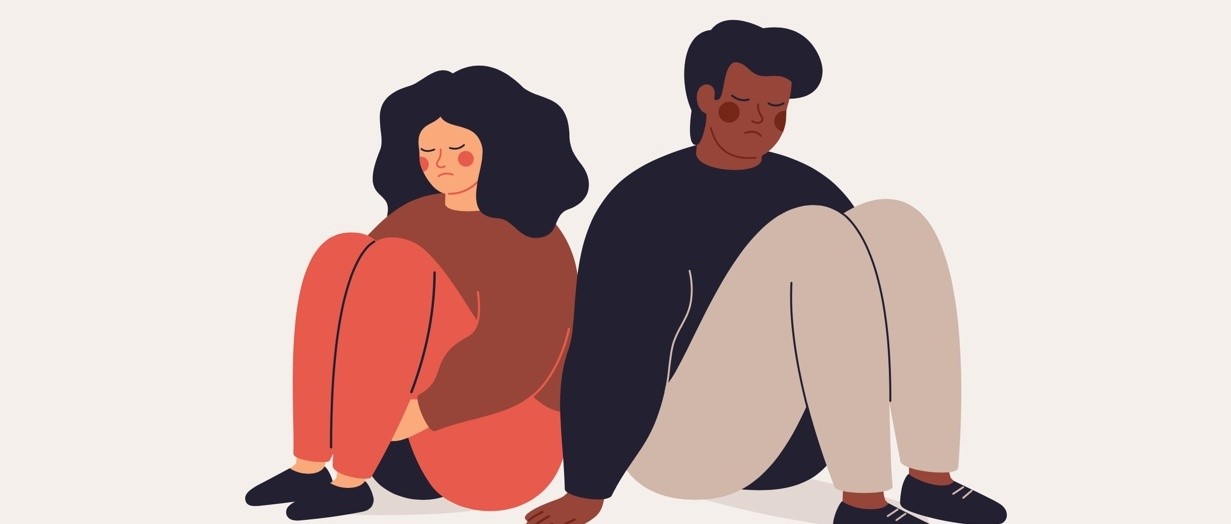
El duelo y los jóvenes: cómo afrontar la pérdida
Si alguien que conoces ha fallecido, es natural sentir todo tipo de emociones. Aquí tienes algunas ideas sobre qué pueden esperar los jóvenes del proceso de duelo, y algunos consejos para sus padres y cuidadores sobre cómo apoyarlos.
por Abi Millar
Sobre el autorVer biografía completa

Sara Lindberg
Senior Writer
BSc (Hons), MSc
Sara Lindberg es una escritora independiente de salud, fitness y bienestar.
Acerca del revisorVer biografía completa

Dra. Sarah Jarvis
Consultora Clínica
MA (Cantab), BM, BCh (Oxon), DRCOG, FRCGP, MBE
Después de formarse en medicina en Cambridge y Oxford, la Dra. Sarah Jarvis MBE se convirtió en médica general.
Historial del artículo
La información en esta página es revisada por pares por clínicos calificados.
Artículo también disponible en Inglés, Alemán, Español, Francés, Italiano, Portugués, Hindi, Hebreo, Árabe, y Sueco.
24 May 2018 | Última versión

Pregunta, comparte, conecta.
Navega por discusiones, haz preguntas y comparte experiencias en cientos de temas de salud.

¿Te sientes mal?
Evalúa tus síntomas en línea de forma gratuita
Suscríbete al boletín de Patient
Tu dosis semanal de consejos de salud claros y confiables, escritos para ayudarte a sentirte informado, seguro y en control.
Al suscribirte aceptas nuestros Política de Privacidad. Puedes darte de baja en cualquier momento. Nunca vendemos tus datos.
Más sobre salud mental
- Un miedo a los agujeros: ¿qué desencadena la tripofobia?
- ¿Estoy teniendo un ataque de pánico o un ataque al corazón?
- La anorexia puede ser una enfermedad física, además de psicológica
- Cómo lidiar con la ansiedad por volver al trabajo
- Cómo ayudar a su hijo con la ansiedad de volver a la escuela
- Cómo evitar que la 'culpa de madre' afecte tu salud mental
- Cómo apoyar a alguien con depresión
- Agotamiento parental: tu guía para entenderlo y superarlo
- Mascotas como terapia: beneficios para todas las edades
- El impacto del aburrimiento en nuestra salud
- ¿Cuáles son los signos de una crisis de la mediana edad?
- Cómo es tener trastorno dismórfico muscular
- Cómo es trabajar en una línea de ayuda para la prevención del suicidio
- ¿Qué apoyo de salud mental está disponible para los veteranos?
- ¿Qué es una permacrisis y cuál es su impacto en nuestra salud mental?
- ¿Qué alimentos pueden reducir tu estrés y ansiedad?
- Por qué una película navideña puede hacernos sentir bien
- Por qué quedarse calvo puede afectar seriamente tu salud mental
- No tienes que estar por debajo del peso normal para tener un trastorno alimenticio
- Jóvenes que buscan apoyo para la salud mental se ven obligados a enfrentarlo solos