Cómo obtuve un diagnóstico de TDAH: La historia de Katey
Revisado por Dr Colin Tidy, MRCGPEscrito por Heather AinsworthPublicado originalmente 27 Jul 2026
Cumple con las directrices editoriales
- DescargarDescargar
- Compartir
- Language
- Discusión
- Versión en audio
- Agregar a fuentes preferidas en Google
Getting an ADHD diagnosis as an adult can be a long and emotional journey. For Katey, years of feeling burnt out, struggling to manage everyday life, and wondering why previous diagnoses didn’t fully explain her experiences eventually led her to seek answers.
In this patient story, Katey Moseley shares how she was diagnosed with ADHD through the NHS Right to Choose pathway, what the assessment process involved and how diagnosis has helped her better understand herself.
For years, Katey felt like she was struggling in ways she couldn’t fully explain.
She had experienced ansiedad, depresión, y síndrome de fatiga crónica, but none of the diagnoses completely matched what she was experiencing.
She wasn’t constantly worrying about things going wrong or feeling sad - instead, she felt overwhelmed by a constant stream of thoughts, which left her exhausted.
After years of questioning why everyday life felt so difficult, Katey began to wonder whether TDAH could be the missing piece.
“I never felt like my previous diagnoses quite fitted what I was feeling,” she says. “I wasn’t sad or negative. I just felt burnt out because I had so many thoughts going on in my head.”
Recognising the signs
Katey had struggled with her mental health throughout her 20s and early 30s, but she felt there was something else contributing to her difficulties.
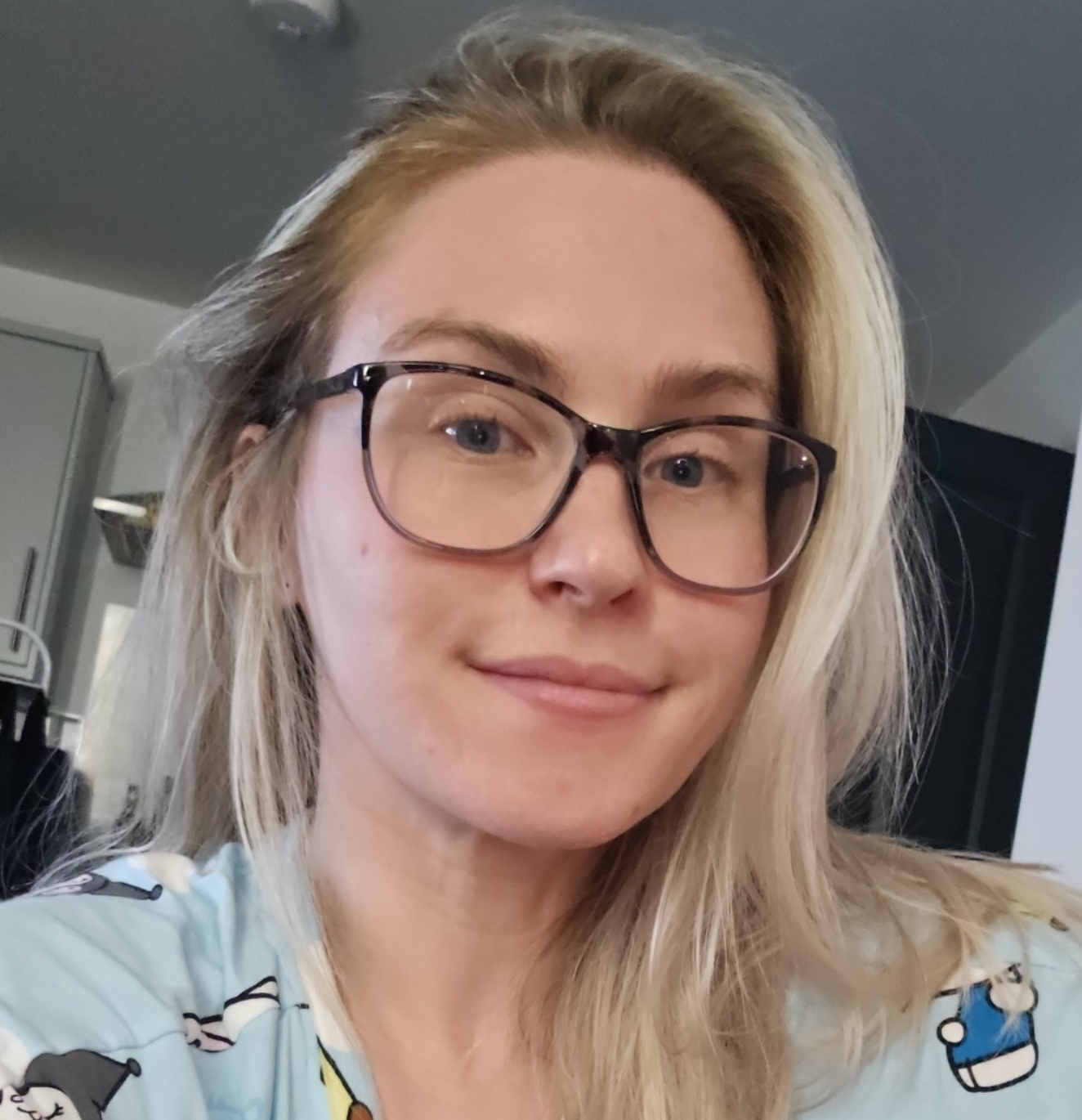
Katey Moseley
She found that she could still go out and enjoy life, but would often become exhausted afterwards and need significant time to recover. Eventually, the impact began affecting her ability to work.
“I was having so much time off sick and I knew it wasn’t right,” she says. “I wasn’t functioning how I thought an adult should.”
Looking back, Katey can recognise signs of neurodivergence from childhood. Her mum had always suspected she and her brothers were neurodiverse, and one of her brothers had been diagnosed with autism.
However, ADHD had never been considered for Katey until later in life.
“I didn’t think I matched the stereotypical idea of ADHD,” she says. “At school, I was predicted straight A grades and always had positive reports, although they often said I ‘could put more effort in’.
Because I wasn’t disruptive or struggling academically, ADHD was never considered. I was more energetic and would talk to myself or make silly noises while playing computer games, but I didn’t realise these could be signs.”
Katey’s experience isn't uncommon. Symptoms of ADHD in women are often overlooked because they can present differently from the stereotypical view of ADHD.
Many girls do well at school or develop ways to mask their difficulties, meaning they may not be diagnosed until adulthood.
For Katey, it was her colleagues who helped her notice behaviours she hadn’t been aware of, including stimming behaviours such as touching her face and ears.
“That was the point where I thought, I need to find out if I have ADHD. It could answer so many questions I had about myself.”
Seeking an ADHD assessment
A difficult period in Katey’s life became another reason she started looking for answers.
After leaving an abusive relationship, she began reflecting on her experiences and wondering why certain situations had happened.
“I always thought I was a strong-minded person, so I questioned how I had ended up in that situation,” she says.
This reflection became part of the motivation behind seeking an ADHD assessment.
“I realised I needed to understand myself better. It was the catalyst for finally looking into getting diagnosed.”
Choosing the NHS Right to Choose route
Katey had heard about long NHS waiting lists for ADHD assessments, particularly for adults.
While researching online, she discovered the NHS Right to Choose pathway, which allows eligible patients in England to choose an approved provider for certain NHS-funded assessments.
“I had heard stories of people waiting years, so I knew I needed to research my options,” she says.
After looking at different providers and their waiting times, Katey chose Well Life Clinic.
Getting an ADHD assessment
Katey spoke to her doctor about her concerns and found him supportive of her decision to seek an assessment.
“He was the doctor who had listened to me the most. When I told him I wanted an ADHD assessment, he said: ‘Just tell me the clinic you want.’”
After her referral was sent, Katey’s assessment happened relatively quickly.
She received confirmation that her referral had been received on the same day, followed by confirmation that it had been accepted shortly afterwards. Around a week later, she was contacted to arrange her assessment.
Overall, the process from referral to assessment took around two weeks, and she received her diagnosis around three weeks after the assessment.
Having the assessment
Before the appointment, Katey completed a detailed questionnaire about her experiences.
During the assessment itself, she was asked about different stages of her life, including childhood, education, adulthood, relationships, and challenges she had experienced.
“It was very intensive because you’re looking back at your whole life,” she says. “You’re talking about childhood memories and things you might not have thought were important before.”
Katey found the process emotional at times, but felt supported throughout.
“It was probably more intense than some therapy sessions I’ve had because you’re exploring so much. But the doctor was very respectful and made me feel comfortable being honest.”
Receiving an ADHD diagnosis
Receiving an ADHD diagnosis was a significant moment for Katey.
“It really has been life changing,” she says. “It felt like I had finally found the answer to my life. Everything suddenly made sense.”
She says the diagnosis helped her understand herself differently and recognise that many of the challenges she had experienced had a reason behind them.
After starting ADHD medication, Katey noticed changes in her focus and productivity, which were also noticed by people around her.
“A colleague commented on how much difference they could see in me. They said I was more focused and less distracted.”
Her boss also noticed improvements in her efficiency and productivity at work.
Support after diagnosis
Following her diagnosis, Katey received information about further support from Well Life Clinic, including strategies to help manage ADHD symptoms and details of available therapies.
She was also booked in for follow-up appointments and medication reviews.
“The support has been incredible,” she says. “I’ve never felt like I couldn’t reach out or that I was just left after diagnosis.”
Katey's advice for anyone who thinks they might have ADHD
Katey’s advice to others considering an ADHD assessment is simple: start the process.
“If you think you might have ADHD, just do it,” she says.
“For people who are able to access NHS Right to Choose, it can help you avoid sitting on a waiting list for years.”
For Katey, receiving an ADHD diagnosis provided an explanation for years of challenges - and helped her understand herself in a new way.
“Everything now makes sense.”
For more information about the ADHD diagnosis process, including how to seek an assessment and what to expect at each stage, read our guide, Diagnóstico de TDAH: Cómo obtener un diagnóstico y qué esperar.
Selecciones del paciente para TDAH

Cerebro y nervios
Cómo el TDAH afecta el trabajo y la productividad
Desde la parálisis ante las tareas y la ceguera temporal hasta las distracciones y el pánico por las fechas límite, el TDAH puede afectar la forma en que trabajas de muchas maneras. En este artículo, la Dra. Hijab Khan, Líder Clínica para el TDAH en Well Life Clinic, explica cómo el TDAH puede moldear el día laboral y comparte consejos prácticos para ayudar a mejorar la productividad.
por Heather Ainsworth
Cerebro y nervios
Diagnóstico de TDAH: Cómo obtener un diagnóstico y qué esperar
Si alguna vez has sospechado que podrías tener TDAH, la idea de obtener un diagnóstico puede resultar tanto un alivio como intimidante al mismo tiempo. En este artículo, hablamos con el Dr. Khan, un experto en TDAH de la Clínica Well Life, sobre el proceso de diagnóstico y qué esperar si crees que puedes tener TDAH.
por Heather Ainsworth
Sobre el autorVer biografía completa
Escrito por
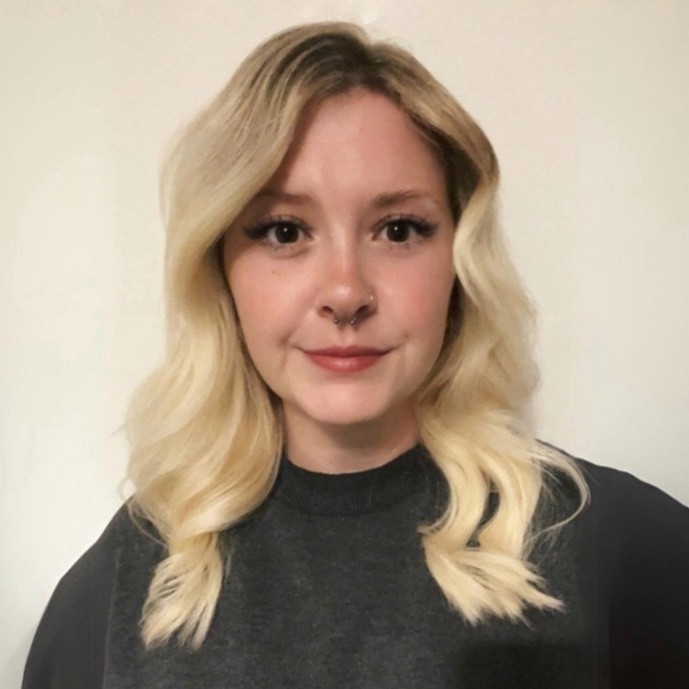
Heather Ainsworth
Gerente de SEO
Licenciatura (Hons) en Negocios y Marketing, Certificado IDM DDM, MHFAider®
Heather es la Gerente de SEO en Patient y una Asistente de Primeros Auxilios en Salud Mental capacitada. También es una escritora habitual de temas de salud, cubriendo una amplia gama de temas con un interés particular en el bienestar mental, la salud de la mujer y la salud holística.
Acerca del revisorVer biografía completa

Dr Colin Tidy, MRCGP
Médico General, Autor Médico
MBBS, MRCGP, MRCP (Paediatrics), DCH
El Dr. Colin Tidy es un médico del NHS, con sede en Oxfordshire.
Historial del artículo
Artículo también disponible en Inglés, Alemán, Español, Francés, Italiano, Portugués, Hindi, Hebreo, Árabe, y Sueco.
Next review due: 27 Jul 2029
27 Jul 2026 | Publicado originalmente
Escrito por:
Heather AinsworthRevisado por
Dr Colin Tidy, MRCGP
Únete a la conversación
Comparte tus pensamientos o experiencias con otros en nuestro comunidades de pacientes.

Pregunta, comparte, conecta.
Navega por discusiones, haz preguntas y comparte experiencias en cientos de temas de salud.

¿Te sientes mal?
Evalúa tus síntomas en línea de forma gratuita
Suscríbete al boletín de Patient
Tu dosis semanal de consejos de salud claros y confiables, escritos para ayudarte a sentirte informado, seguro y en control.
Al suscribirte aceptas nuestros Política de Privacidad. Puedes darte de baja en cualquier momento. Nunca vendemos tus datos.