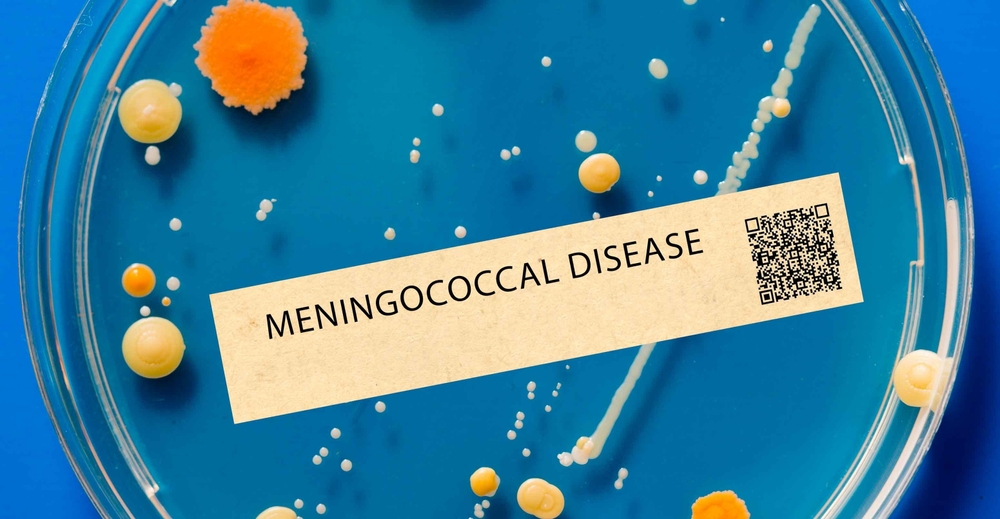
Qué hacer si crees que has estado expuesto a la meningitis
Revisado por Dr Colin Tidy, MRCGPEscrito por Thomas Andrew Porteus, MBCSPublicado originalmente 17 Mar 2026
Cumple con las directrices editoriales
- DescargarDescargar
- Compartir
- Language
- Discusión
- Versión en audio
- Agregar a fuentes preferidas en Google
Hearing about a case of meningitis in your community, workplace, or university can be worrying. However, it is important to remember that most people who hear about a case have not been exposed in a way that puts them at risk.
Meningococcal disease, the bacterial infection that can cause meningitis and septicaemia, spreads through close and prolonged contact with respiratory secretions. This means that risk is usually limited to people who have had very close contact with the affected person.
Understanding what counts as exposure, and what steps to take, can help you respond calmly and appropriately.
What counts as close contact?
Public health teams assess who may be at risk when a case of meningococcal disease is confirmed. The people most likely to be contacted are those who have had close, direct or prolonged contact with the infected person.
This may include:
People who live in the same household or shared accommodation.
Intimate partners
Those who have had direct exposure to respiratory droplets, such as through kissing or sharing drinks, cigarettes, or utensils.
Casual contact, such as being in the same lecture theatre, workplace, or public space, usually does not pose a significant risk.
If you are considered a close contact, health officials will normally contact you directly.
Preventative antibiotics
Close contacts of a confirmed meningococcal case are often offered preventative antibiotics. This is known as prophylaxis.
The purpose of these antibiotics is to eliminate any meningococcal bacteria that may be present in the nose or throat before they can cause illness or spread to others.
Preventative treatment is usually arranged quickly through local health protection teams, GPs, or hospital services.
Most people who hear about a case in their wider community do not need antibiotics.
Watch for symptoms
Even if you have not been identified as a close contact, it's sensible to remain aware of the symptoms of meningitis and septicaemia for the following days or weeks.
Early symptoms may include:
Fiebre.
Dolor de cabeza.
Vomiting.
Neck stiffness.
Sensibilidad a la luz.
Feeling unusually sleepy or confused.
In some cases, a rash that does not fade when pressed with a glass can appear.
Symptoms can develop quickly and may worsen within hours, so it is important not to ignore signs of serious illness.
When to seek urgent medical help
If you or someone around you develops symptoms that could suggest meningitis or septicaemia, seek medical help immediately.
Call 999 or go to the nearest A&E if there is a severe headache with fever, neck stiffness, confusion, extreme drowsiness, seizures, or a rash that does not fade under pressure.
If symptoms are milder but you are concerned, you can contact NHS 111 for advice.
Prompt treatment with antibiotics can be life-saving.
Should you get vaccinated?
Vaccination can reduce the risk of some types of meningococcal disease.
Teenagers in the UK are routinely offered the MenACWY vaccine, which protects against four strains of meningococcal bacteria. Babies are also vaccinated against MenB, another important strain.
If you are unsure about your vaccination status, your GP surgery can check your records and advise whether vaccination may be appropriate.
Reassurance during an outbreak
When meningococcal cases occur, public health teams respond quickly to identify those at highest risk and offer treatment where necessary. These measures are designed to prevent further spread and protect the wider community.
Although meningitis is a serious illness, it remains rare, and most people who hear about a case will not develop the infection.
Staying informed, recognising symptoms early and seeking medical help if needed are the most important steps you can take.
Selecciones del paciente para Meningitis y sepsis

Infecciones
Síntomas de meningitis que los estudiantes deben conocer: reconocer las señales de advertencia temprano
Informes recientes de casos de meningitis en el Reino Unido han destacado la importancia de reconocer los síntomas de la meningitis y la septicemia de manera temprana, especialmente entre estudiantes y jóvenes adultos.
por Thomas Andrew Porteus, MBCS

Infecciones
Cómo las universidades promueven las vacunas contra la meningitis
El nuevo año académico es una época de semanas de bienvenida para los estudiantes en todo el país, pero también es un momento extremadamente importante para animar a los estudiantes a recibir la vacuna contra la meningitis si aún no la han recibido.
por la Dra. Jennifer Kelly, MRCGP
Preguntas frecuentes
What is the purpose of preventative antibiotics after close contact with someone who has meningococcal disease?
Preventative antibiotics, also known as prophylaxis, are given to eliminate any meningococcal bacteria that might be present in the nose or throat. This prevents the bacteria from causing illness in the contact person or spreading to others.
Who arranges preventative treatment if I am identified as a close contact?
Preventative treatment is usually arranged quickly by local health protection teams, your GP, or hospital services.
If there's a case of meningococcal disease in my community, do I need preventative antibiotics?
No, most people who hear about a case in their wider community do not need preventative antibiotics. These are typically reserved for those identified as 'close contacts' by public health teams.
How quickly do symptoms of meningitis develop?
Symptoms can develop quickly and may worsen within hours. It's important not to ignore signs of serious illness if they appear.
Can vaccination protect against all types of meningococcal disease?
Vaccination can reduce the risk of some types of meningococcal disease. For instance, the MenACWY vaccine protects against four strains, and babies are vaccinated against MenB, another important strain.
How can I check my vaccination status for meningitis?
If you are unsure about your vaccination status, your GP surgery can check your records and advise if vaccination may be appropriate for you.
Sobre el autorVer biografía completa
Escrito por

Thomas Andrew Porteus, MBCS
HealthTech
MBCS
Thomas escribe para informar, inspirar y equipar a líderes de práctica y profesionales de la salud que navegan por el cambio, basándose en dos décadas de trabajo práctico en el sistema de salud del Reino Unido.
Acerca del revisorVer biografía completa

Dr Colin Tidy, MRCGP
Médico General, Autor Médico
MBBS, MRCGP, MRCP (Paediatrics), DCH
El Dr. Colin Tidy es un médico del NHS, con sede en Oxfordshire.
Historial del artículo
Artículo también disponible en Inglés, Alemán, Español, Francés, Italiano, Portugués, Hindi, Hebreo, Árabe, y Sueco.
Próxima revisión: 17 Mar 2029
17 Mar 2026 | Publicado originalmente
Escrito por:
Thomas Andrew Porteus, MBCSRevisado por
Dr Colin Tidy, MRCGP
Únete a la conversación
Comparte tus pensamientos o experiencias con otros en nuestro comunidades de pacientes.

Pregunta, comparte, conecta.
Navega por discusiones, haz preguntas y comparte experiencias en cientos de temas de salud.

¿Te sientes mal?
Evalúa tus síntomas en línea de forma gratuita
Suscríbete al boletín de Patient
Tu dosis semanal de consejos de salud claros y confiables, escritos para ayudarte a sentirte informado, seguro y en control.
Al suscribirte aceptas nuestros Política de Privacidad. Puedes darte de baja en cualquier momento. Nunca vendemos tus datos.