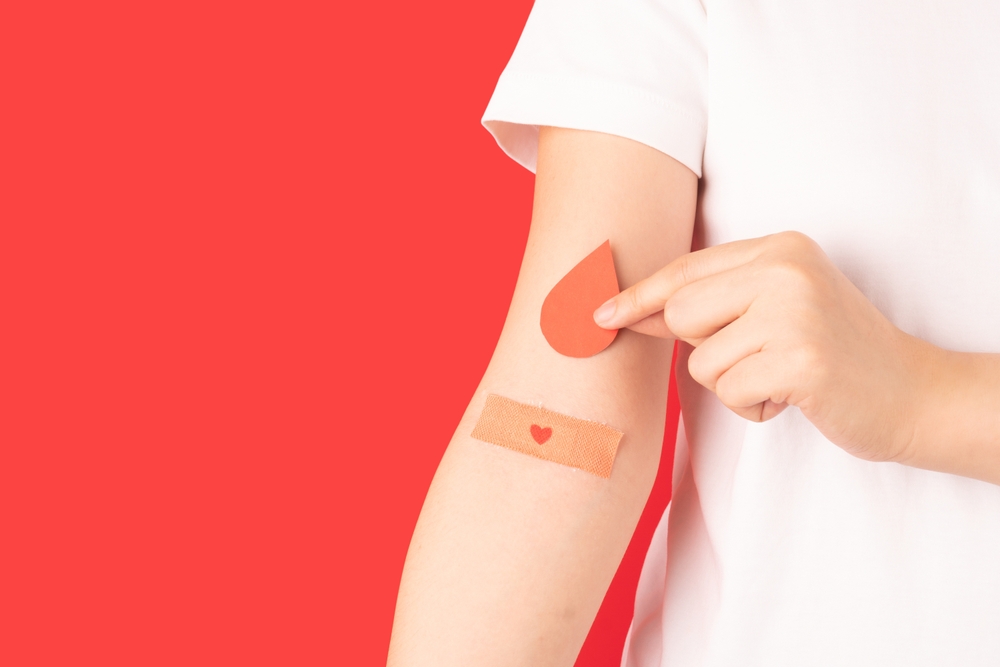
Ferritin face - signs of low iron, or viral skin trend?
Revisado por Dr Colin Tidy, MRCGPEscrito por Hannah Boynton-ForshawPublicado originalmente 10 Nov 2026
Cumple con las directrices editoriales
- DescargarDescargar
- Compartir
- Language
- Discusión
- Ask Patient
- Versión en audio
- Agregar a fuentes preferidas en Google
There’s a new viral wellness term in town called ‘ferritin face’. It’s being used to describe the apparent link between low iron stores and symptoms such as dark circles under your eyes, dull, tired-looking skin, cracked lips, and hair loss. But what exactly is ferritin, and can low levels really affect your facial appearance?
We spoke to consultant gynaecologist, Dr Lamia Zafrani, and consultant dermatologist, Dr Sidra Khan, to demystify what ferritin is, how it affects our bodies, and why women are more vulnerable to lower levels.
What is ferritin, and how is it different to iron?
Iron and ferritin work together to support your body’s ability to transport oxygen and maintain healthy red blood cells.
Dr Lamia Zafrani, an award-winning consultant gynaecologist, explains that ferritin is a protein that stores iron in your body. It helps to regulate the amount of iron in your blood, so levels don’t fall too low or rise too high.
Measuring ferritin levels through a blood test can give a snapshot insight of your iron stores, rather than simply measuring the iron circulating in your bloodstream.
“That distinction matters," she says. "Because iron underpins oxygen transport around your body, energy production, concentration, exercise capacity, and healthy hair and nails."
Dr Lamia Zafrani

Why is ferritin important?
Low ferritin levels can be an early warning sign of iron deficiency, which, if left untreated, can progress to anaemia - a condition in which your body doesn’t have enough healthy red blood cells.
High ferritin levels may indicate you have too much iron, or suggest certain inflammatory conditions, such as liver or kidney disease, or metabolic syndrome.
Therefore, ferritin plays an important role in reducing the risks of both deficiency, and excessive iron in your body.
Who is most affected by changes in ferritin levels?
Iron deficiency is more common in women, due to biological and physiological factors that can lead to low ferritin.
“For women specifically, menstruation means a steady monthly loss of iron that men simply don’t have, so reserves are more easily run down,” says Zafrani.
“It becomes particularly relevant in the perimenopausal years, when periods can often become heavier and sometimes more sporadic. I regularly see iron stores depleted in otherwise fit and healthy women.”
Zafrani adds that after menopause, although monthly losses stop, iron stores that may have been run down over the years can remain low. Any new iron deficiency at this stage deserves proper investigation rather than being brushed off.
What are the signs and negative effects of low ferritin?
From a dermatological perspective, signs of low iron are often visible in your skin, hair, and nails.
Consultant dermatologist, Dr Sidra Khan explains that when iron runs low, your complexion can turn pale and dull, and your skin may feel drier than usual.
��The most striking change tends to be your hair,” she says. “This is because low iron can push more of it into a shedding phase, so people notice it coming out in the brush or shower and any existing thinning can speed up. Your nails often suffer too, becoming weak, ridged, and prone to breaking.”
Dr Sidra Khan

Khan adds that your face can also show you clues.
She notes: “A telltale sign is paleness in your lips and the delicate skin just inside your lower eyelid, which loses its usual healthy pink, often alongside a washed-out look and darker shadows under your eyes.”
Khan emphasises that if you are noticing more hair shedding - or a change in your skin, on top of feeling tired - it’s worth asking your doctor to check your iron levels, rather than reaching for a new hair or skin product.
How to boost your ferritin levels
Zafrani highlights that what you eat can influence your body’s iron levels. She shares some simple steps you can take to help raise your ferritin.
“Start with your diet, drawing iron from both animal sources, where red meat is the most readily absorbed form, and plant sources such as pulses, leafy greens, and fortified cereals,” she suggests.
“A simple trick that genuinely helps, is to pair iron-rich foods with a source of vitamin C, which boosts absorption, while keeping tea and coffee away from mealtimes, as they hinder it.”
If you have heavy periods, getting them assessed and managed by a medical professional can do more to support your iron levels more than taking supplements ever could.
Zafrani cautions that if you do need iron tablets, take them under guidance.
“More isn’t always better,” she says. “The aim is to refill the tank steadily and then keep it topped up - not to megadose and hope.”
What to do if you’re worried
If you suspect you’re showing symptoms of low iron, Zafrani advises the first step is seeing your doctor - and specifically asking for a ferritin test, alongside a full blood count.
She cautions that rather than guessing or reaching straight for over-the-counter supplements, it’s important to first establish what your body needs. Taking iron unnecessarily isn’t harmless.
“The cause needs identifying, not simply the number corrected," she says. "In people who are menstruating, that is most often heavy periods, which are very treatable, and tranexamic acid is often prescribed to reduce blood loss during a period.”
The gynaecologist adds that people taking prescription iron, such as ferrous fumarate, may still see their monthly blood loss outpacing the iron they are taking in. This will mean their ferritin stays low.
“If you’re postmenopausal, unexplained iron deficiency should always be investigated,” Zafrani advises. “It can occasionally be the first sign of something in the gut that needs ruling out. It’s important to treat the why - not just the result.”
Why blood tests can sometimes be misleading
Your iron stores can be significantly depleted, long before your haemoglobin falls far enough to be labelled anaemic on a standard blood test.
Zafrani explains that this is why iron deficiency without anaemia is commonly missed.
She says: “A routine full blood count can come back looking perfectly ‘normal’, which feels reassuring, while your ferritin - if nobody has thought to check it - is telling a very different story underneath."
If you suspect symptoms, but have been told your bloods are ‘normal’, it’s worth asking specifically whether your ferritin was measured.
Zafrani notes that thresholds themselves are being revised. This is now generally aiming for a ferritin of 30 or above, and higher still, above 50, where there is a history of an inflammatory condition.
She adds that athletes and active women - who very often become symptomatic in the 30 to 50 range - should aim for at least 50 in that group.
Zafrani concludes that being ‘within range’ and being at the level where you actually feel and perform well are not always the same thing.
Positives to draw from ‘ferritin face’
The rise of ‘ferritin face’ on social media has had some positive effects. Increasing awareness around symptoms of low iron and ferritin can help to give people the confidence to ask questions, and take their symptoms more seriously.
However, not seeing a doctor can lead to an incorrect self-diagnosis.
Looks alone can’t diagnose that you have low ferritin. Blood tests matter to help determine the cause, and potential treatment. So, if you don’t feel right, arrange to speak with your doctor.
Selecciones del paciente para General women's health

Salud de la mujer
¿Qué es la inflamación crónica y por qué debería importarles a las mujeres?
Inflammaging sounds less like a scientific term and more like the next big TikTok craze. Maybe it involves posting artsy photos of beach bonfires or eating lots of chilli peppers in the quest for glowing skin? In reality, it’s neither of those things - and please don’t try the latter. Inflammaging is a blend of ‘inflammation’ and ‘ageing’, referring to the low-grade, chronic inflammation that gradually develops in your body as you get older. Unlike many social media buzzwords, this is one worth paying attention to because, if left unchecked, it can seriously damage your health, particularly for women.
por Victoria Raw
Salud de la mujer
¿Demasiadas pastillas? El preocupante aumento de la polifarmacia en mujeres de mediana edad
When a health gap warrants more attention, most healthcare professionals focus on finding better ways to support people. Others, however, see that same gap as a business opportunity. One result is the rise of polypharmacy - taking multiple medications or supplements at the same time without clear clinical guidance.
por Victoria Raw
Sobre el autorVer biografía completa
Escrito por

Hannah Boynton-Forshaw
Licenciatura (con honores) en Comunicación, Estudios Culturales y Medios
Hannah is a content writer who specialises in authentic, and engaging writing that tells a story.
Está comprometida con crear contenido claro y con propósito y, sobre todo, que conecte con el público. Ha trabajado con diversas marcas, entre ellas IKEA, NHS Protect, la Universidad de Leeds, ASDA, Marks and Spencer, Tesco, Waitrose, Morrisons, Next y British Gas.
Acerca del revisorVer biografía completa

Dr Colin Tidy, MRCGP
Médico General, Autor Médico
MBBS, MRCGP, MRCP (Paediatrics), DCH
El Dr. Colin Tidy es un médico del NHS, con sede en Oxfordshire.
Historial del artículo
Artículo también disponible en Inglés, Alemán, Español, Francés, Italiano, Portugués, Hindi, Hebreo, Árabe, y Sueco.
Next review due: 10 Nov 2029
10 Nov 2026 | Publicado originalmente
Escrito por:
Hannah Boynton-ForshawRevisado por
Dr Colin Tidy, MRCGP
Comparte tus pensamientos o experiencias con otros en nuestro comunidades de pacientes.
Acceso sencillo a tratamientos y servicios de salud confiables en línea.
Common conditions
Get help with common conditions through the NHS, without a GP appointment.
 Sinusitis aguda
 Amigdalitis bacteriana
 Impetigo
 Picaduras de insectos
 Herpes zósterInfección del tracto urinario (ITU)
Suscríbete al boletín de Patient
Tu dosis semanal de consejos de salud claros y confiables, escritos para ayudarte a sentirte informado, seguro y en control.
Al suscribirte aceptas nuestros Política de Privacidad. Puedes darte de baja en cualquier momento. Nunca vendemos tus datos.