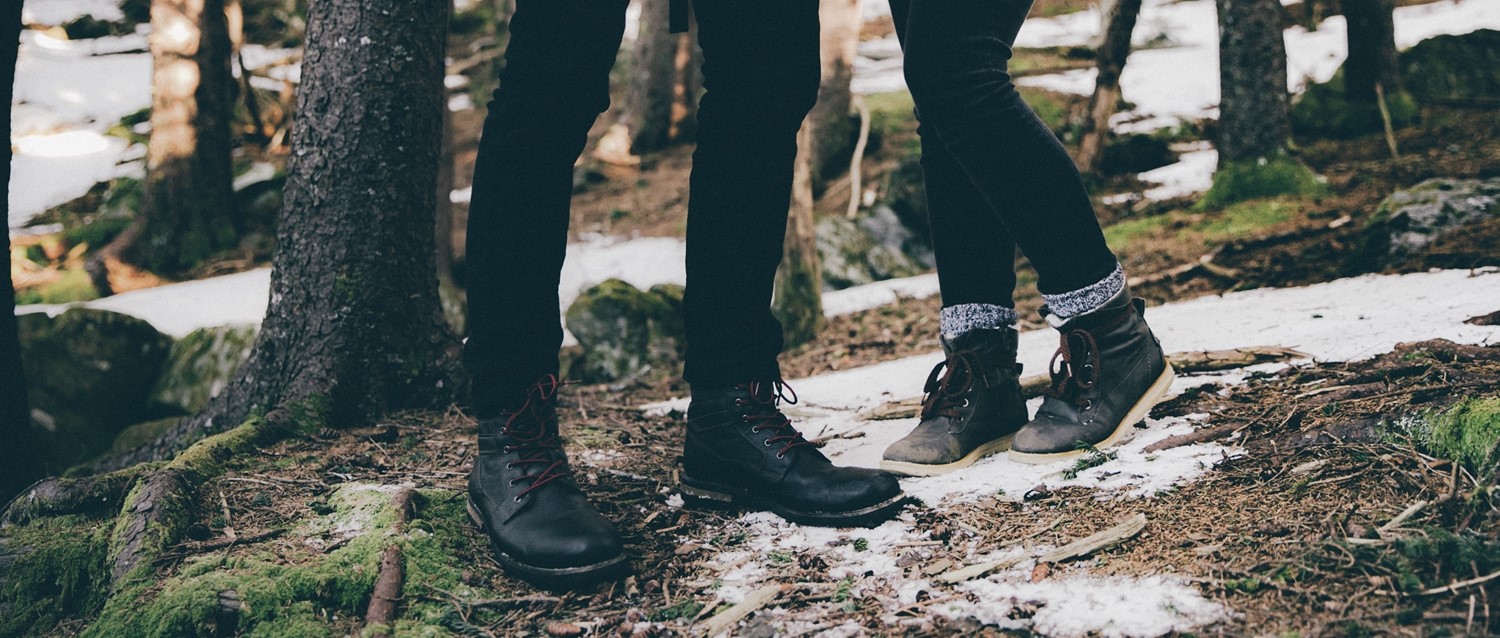
Do your feet get smellier in winter?
Peer reviewed by Dr Sarah JarvisAuthored by Natalie HealeyOriginally published 1 Dec 2019
Meets Patient’s editorial guidelines
- DownloadDownload
- Share
- Language
- Discussion
- Audio Version
- Add to preferred sources on Google
Think smelly feet is only a worry during the warmer months? Think again. But if you've noticed an embarrassing odour from your socks and shoes, there are plenty of things you can try.
Which smells do you associate with winter? Perhaps cinnamon, pine needles, wood smoke and other scents that make you feel cosy and nostalgic. You probably wouldn't put sweat and body odour on the list. But if you've noticed an embarrassing pong coming from your feet during the colder temperatures, you're not alone. And it's not actually so surprising.
We tend to think of smelly feet as something we should only worry about in the summer. But it's an affliction that can happen in all seasons. Luckily, bromodosis (the medical term for smelly feet) is not usually a cause for concern.
What causes feet to smell?
"Smelly feet can be pretty common, especially if you wear the same shoes every day, lace them tightly, or are on your feet a lot," explains Dr Daniel Cichi from iMeds.
"Your feet have more sweat glands than any other part of your body - even your armpits! It's completely normal for your feet to produce more than a pint of sweat in any given day. When they begin to smell, what you're actually smelling is the bacteria that live on the skin of your feet and 'eat' your sweat."
A study in 2006 confirmed that the bacterium called Staphylococcus epidermidis (which lives on the skin) loves to feed on a chemical in our sweat, called leucine. The breakdown of leucine produces isovaleric acid which is the true culprit for the familiar cheesy odour that results.
What's important is not really how much your feet sweat, but the amount of sweat that gets trapped in your footwear, says Cichi. If there's nowhere for that moisture to go, you're going to notice a smell. And not allowing your feet to breathe is something that can easily happen in colder weather.
"In winter, in order to keep warm, people wear extra layers of socks, or a warmer blend with closed-in boots or shoes. Your feet will naturally sweat, creating a damp, warm environment that bacteria love," says podiatrist Dina Gohil.
Heat isn't the only thing that causes feet to sweat, either. Stepping out into the cold, or a sudden change in temperature, can also cause our feet to perspire.
How to tackle smelly feet
So now we know what causes stinky feet, how can we go about solving the problem? Not many of us would be willing to swap our sturdy winter boots for a pair of flip-flops when the mercury drops. Luckily, you don't have to.
Gohil explains that practising good foot hygiene is a good first step.
"There are several things you can do, such as washing your feet thoroughly and drying them properly. Wearing moisture-wicking socks and using antibacterial shoe spray can help too."
She advises having more than one pair of shoes for each season, so you can alternate every day. Choose wisely when it comes to footwear - leather and suede materials will be more breathable and able to withstand damp conditions better than synthetic fabrics.
"If sweat is a problem for you, you can use deodorant on your feet, whichever one you currently use, to try to keep them dry," suggests GP Dr Daniel Atkinson, clinical lead, at Treated.com. "If that doesn't work, you can try powders to absorb sweat. Or, something as simple as sports socks, that are designed to keep your feet dry when you're exercising, could do the trick. And be sure to wear socks with trainers or any closed-toe shoes."
When should you worry about smelly feet?
In the majority of cases, the tips above should ensure you don't have to worry about bromodosis anymore. But could the symptom ever suggest a more serious medical cause? Atkinson says it's quite unlikely.
"It tends to be an easy issue to clear up. It can mean you have a fungal infection or you could be suffering from hyperhidrosis where your sweat glands produce excess sweat which can lead to odour."
He says if you've made positive changes to your footwear routine and are keeping your feet clean but are still having a problem, or are producing sweat in abnormally high amounts, you should speak with your GP.
"If you;re diagnosed with hyperhidrosis, you may be referred for iontophoresis that delivers a mild current to your feet to reduce sweating, or you may just need an antiperspirant. Likewise, if you're using creams to clear up infections like athlete's foot [a fungal infection that causes the skin on your feet to crack, flake, blister and itch] but it isn't getting better, it's advised that you chat with your doctor," he adds.
"Certain medications and poor hygiene can also lead to foot odour, but the biggest culprit is usually overwearing the same shoes without giving them adequate time to air. Smelly feet aren't usually anything to be majorly concerned with, unless they are causing you considerable distress," agrees Cichi.
Patient picks for Foot problems
Foot care
Plantar fasciitis: how to ease pain and find the right treatment
Plantar fasciitis is a common cause of heel pain, caused by inflammation of the tissue at the bottom of your foot. The pain is caused by small tears and inflammation in the plantar fascia (the tissue that supports the arch of your foot). But how can you tell what's causing your heel pain, is there anything you can do to ease the condition at home and when should you seek specialist support?
by Gillian Harvey

Foot care
Tips to prevent common foot injuries
Foot injuries are both very common. Yet many typical foot injuries from running or playing sports - or just from daily life - are preventable. Here's how to keep your feet healthy and avoid injury.
by Victoria Raw
About the authorView full bio

Natalie Healey
Freelance journalist
BSc (Hons) Biomedical Science
She is a London-based health journalist who has been writing about science and medicine for several years. She is the former head of editorial at Patient.
About the reviewerView full bio

Dr Sarah Jarvis
Clinical Consultant
MA (Cantab), BM, BCh (Oxon), DRCOG, FRCGP, MBE
After training in medicine at Cambridge and Oxford, Dr Sarah Jarvis MBE became a GP.
Article history
The information on this page is peer reviewed by qualified clinicians.
Article also available in English, German, Spanish, French, Italian, Portuguese, Hindi, Hebrew, Arabic, and Swedish.
1 Dec 2019 | Originally published
Authored by:
Natalie HealeyPeer reviewed by
Dr Sarah Jarvis
Join the conversation
Share your thoughts or experiences with others in our patient communities.

Ask, share, connect.
Browse discussions, ask questions, and share experiences across hundreds of health topics.

Feeling unwell?
Assess your symptoms online for free
Sign up to the Patient newsletter
Your weekly dose of clear, trustworthy health advice - written to help you feel informed, confident and in control.
By subscribing you accept our Privacy Policy. You can unsubscribe at any time. We never sell your data.
More in foot care
- Anatomy of the foot
- How to find the perfect running shoes for your feet
- How to keep your feet healthy this summer
- How to keep your feet problem-free
- How to stop your child catching a verruca
- Plantar fasciitis: how to ease pain and find the right treatment
- Signs you need to see a podiatrist
- Tips to prevent common foot injuries
- Video: Foot pain exercises
- Wart and verruca treatment options
- What it's really like to live with gout
- What your shoes can tell you about your feet
- What's causing your cold hands and feet?
- What’s causing your foot pain?
- Why caring for your feet is so important if you have diabetes
- Winter foot care mistakes to avoid