
Vacuna de AstraZeneca: ¿es segura y causa coágulos de sangre?
Revisado por pares por Dr Colin Tidy, MRCGPÚltima actualización por Dra. Sarah JarvisÚltima actualización 16 Mar 2021
Cumple con las directrices editoriales
- DescargarDescargar
- Compartir
- Language
- Discusión
- Versión en audio
- Agregar a fuentes preferidas en Google
The rollout of the COVID-19 vaccine in the UK has undoubtedly been a huge success. Globally, this vaccine has been rolled out more quickly than any vaccine in history. But among all the good news, several European countries have suspended their rollout after reports of blood clots among people given the AZ vaccine. Should we be worried, or is there more to this than meets the eye?
First, let's be clear. Absolutely no corners were cut in assessing safety of the COVID-19 vaccines, and the trials of the various vaccines all involved 15,000-40,000 people. This is the standard number of people in all vaccine trials. The reason we're seeing reports now is because of the vast numbers involved - more than 381 million doses of vaccine given to date across 126 countries.
Monitoring for rare side effects
Medicines are only licensed once the evidence shows their benefits outweigh the risks associated with them. If the side effects of a cancer drug kill 1 in 1,000 people who take it but the drug saves the life of 1 in 5, there's a net benefit despite the high price. But for a drug to treat an ingrowing toenail, a death rate of even 1 in 100,000 would be completely unacceptable.
All medicines and vaccines can cause very rare side effects. If, for instance, a side effect occurred in every 100,000 people having a medicine, a trial of even 40,000 people might not pick it up. It's not feasible to do trials on millions of people - it would take decades to do this research and medicines would never be developed.
However, assessing safety of medicines by no means stops once they've been licensed. At this stage, once approved, they may be given to millions of people. Every country has a post-marketing safety reporting scheme to look for very rare side effects. The Medicines and Healthcare products Regulatory Agency (MHRA) in the UK has run a Yellow Card reporting system for many years, which is routinely used by doctors to report events that might be related to a medicine or vaccine. Other countries have similar schemes.
Vaccine side effects - what do we know so far?
All COVID-19 vaccines, including the AZ vaccines, are being followed up closely. Overall in the UK, out of 11 million doses of AZ vaccine given, there have been about 54,000 reports of side effects (almost all of which were minor side effects such as a sore arm, short-lived fever or swollen glands) through the Yellow Card reporting system. Over 10 million doses of Pfizer vaccine have also been delivered across the UK - there have been about 33,000 reports of side effects, also mostly minor.
Overall, there have been 37 cases of potentially serious clots reported across the UK and Europe, out of about 17 million doses of AZ vaccine delivered. The Norwegian Medicines Agency notes that in the case of blood clots or brain bleeds, the patients had in common low levels of platelets, putting them at risk of bleeding.
In relation to bleeding, the UK reporting system has received 35 cases where people developed low platelets, in the period following vaccination with AZ vaccine. This is out of 11 million AZ vaccines delivered in the UK. The equivalent figure for the Pfizer vaccine is similar at 22 reports.
Putting the figures into perspective
The safety reporting systems are such that the vast majority of potentially serious side effects such as bleeding or abnormal clotting will be picked up, even if some more minor side effects aren't. If these clotting/bleeding issues are related to the vaccine - in other words, if the worst case scenario is true - the figures above translate into:
One serious clot for every 500,000 people given a dose of AZ vaccine.
One report for low platelets every 300,000 people vaccinated.
However, even this does not by any means prove that the vaccine caused all, or indeed any, of these events. To prove a link, we need to consider whether more people who received the vaccine developed clots, compared to people who did not get the vaccine.
To put this into perspective, unrelated to vaccination:
Every year, about 1 in 1,000 people develop a clot in the leg (a trombosis venosa profunda, or DVT).
If the DVT is not treated, about 1 in 10 patients develop a embolia pulmonar (PE) - a clot on the lung. It's estimated that about 1 in 1,200-1,300 people every year in the UK get a PE.
1 in 10,000-15,000 people every year will get a bleed into the brain, called a hemorragia subaracnoidea.
Was COVID-19 the cause?
Some of the people who developed clots after getting the vaccine may well have been infected with COVID-19 - either having early infection with no symptoms at the time of their vaccine or catching the infection at their appointment or on their way there or back (despite all the precautions in place at vaccine centres).
It's very well recognised that COVID-19 infection is linked to a high risk of clotting and bleeding. Among people with COVID-19 severe enough to need hospital admission:
1 in 6 develop at least one abnormal clot, including DVT or PE.
1 in 12 have an abnormal bleed.
Early studies suggested 3 in 10 have low platelets, with a more conservative estimate from more recent studies of 1 in 8. In some cases, low platelet levels have persisted for months in patients with mild COVID-19 infection.
In other words, clots and bleeding happen regardless of COVID-19 infection or vaccination - it's just we don't commonly hear about them. In addition, the risk of clotting or bleeding with severe COVID-19 infection is thousands of times higher than even the worst case scenario from vaccines.
What do the safety experts say?
While some individual countries have temporarily paused their AZ COVID-19 vaccination programme, international expert committees all believe people should continue to be vaccinated.
El European Medicines Agency is investigating these reports of clotting but 'currently remains of the view that the benefits of the AstraZeneca vaccine in preventing COVID-19, with its associated risk of hospitalisation and death, outweigh the risks of side effects'.
El Organización Mundial de la Salud highlights: 'It is important to note that the European Medicines Agency's Pharmacovigilance Risk Assessment Committee position is that the vaccine's benefits continue to outweigh its risks, and the vaccine can continue to be administered while investigation of cases of thromboembolic events is ongoing.'
Their Global Advisory Committee on Vaccine Safety (GACVS) is meeting on 16th March 2021 to follow up its enquiry.
In the UK, the vaccines safety lead for the MHRA states "We are closely reviewing reports but the evidence available does not suggest the vaccine is the cause. Blood clots can occur naturally and are not uncommon.
"More than 11 million doses of the COVID-19 Vaccine AstraZeneca have now been administered across the UK, and the number of blood clots reported after having the vaccine is not greater than the number that would have occurred naturally in the vaccinated population."
The bottom line?
Is there a political element to the decision to pause the rollout of AZ vaccines in some European countries, despite their own Medicines Agency recommending that vaccination should continue? Unlikely, I hope.
But are governments in these countries particularly wary of the AZ vaccine, because of all the publicity over availability and the rows over their vaccine deliveries being delayed? Almost certainly. And by pausing vaccination, they protect themselves from blame whether there's a safety issue or not.
Whether you listen to the real experts at either the UK or the European safety bodies, the message is clear. COVID-19 kills; safety review in the UK shows no evidence these clots are directly due to the vaccine; and if you're called for a vaccine, you are definitely making yourself safer by having it.
Selecciones del paciente para Vacunación, pruebas y tratamiento
COVID-19
¿Qué es la prueba de anticuerpos de COVID-19 y debería hacerme una?
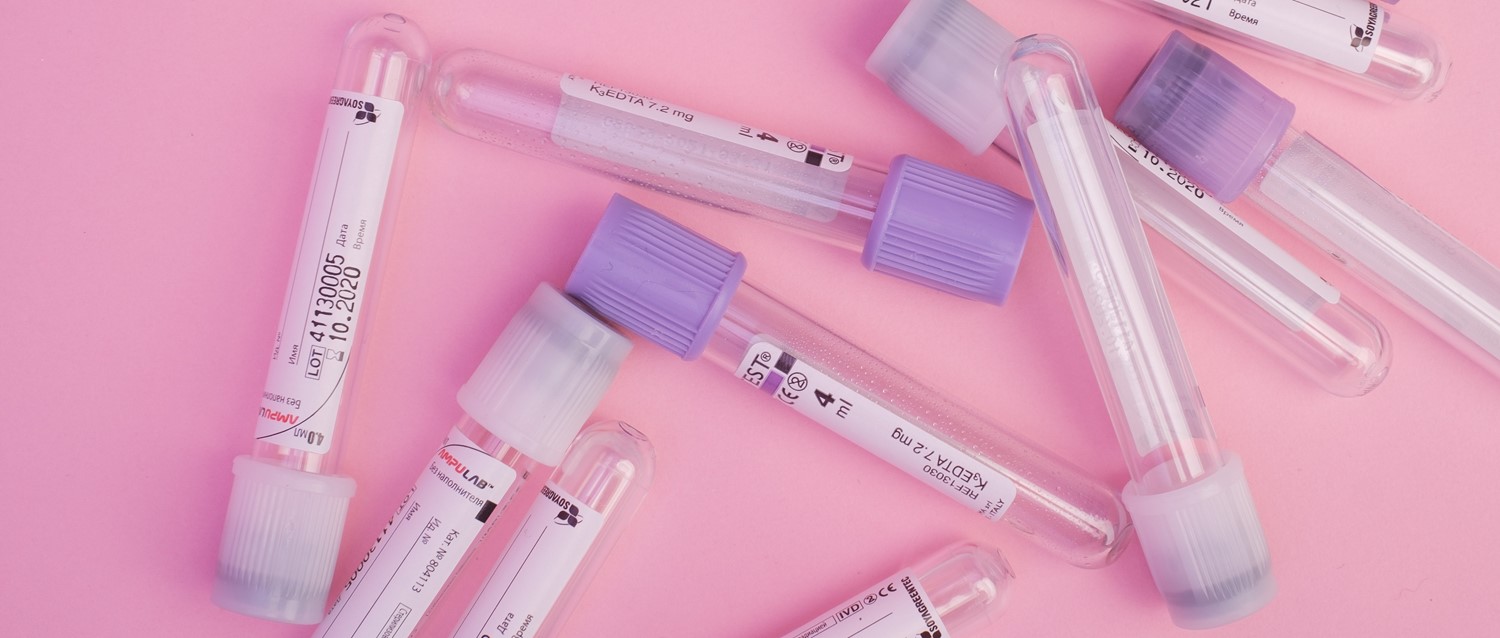
The COVID-19 antibody blood test can be used to test the level of antibodies your immune system has produced to COVID-19, either in response to infection or the vaccine. This can give you peace of mind, and can now be done from the safety and comfort of home. However, it's important to remember that antibody test kits won't give you the full picture of your immunity against COVID-19.
por Amberley Davis
COVID-19
¿Puede la vacuna contra el COVID afectar el ciclo menstrual?
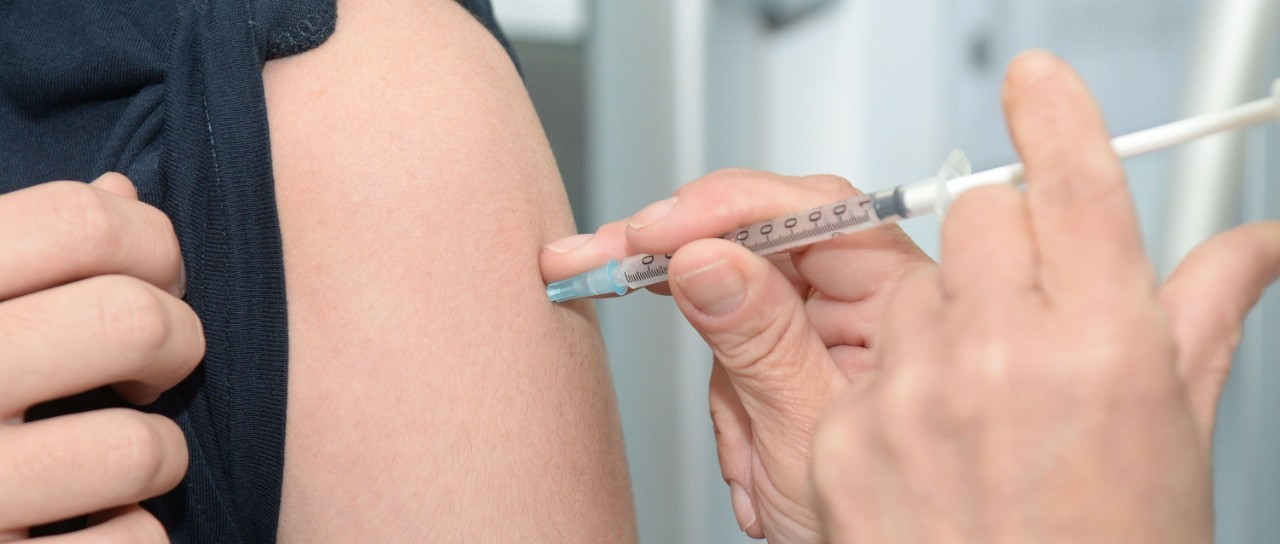
Following the rollout of COVID-19 vaccines across the country, there have been reports of people's periods changing in some way after their jabs. This has understandably caused concern, among young women in particular. So are COVID-19 vaccination and period changes linked, and if so should you be worried?
por Emily Jane Bashforth
Sobre el autorVer biografía completa

Dra. Sarah Jarvis
Consultora Clínica
MA (Cantab), BM, BCh (Oxon), DRCOG, FRCGP, MBE
Después de formarse en medicina en Cambridge y Oxford, la Dra. Sarah Jarvis MBE se convirtió en médica general.
Acerca del revisorVer biografía completa

Dr Colin Tidy, MRCGP
Médico General, Autor Médico
MBBS, MRCGP, MRCP (Paediatrics), DCH
El Dr. Colin Tidy es un médico del NHS, con sede en Oxfordshire.
Historial del artículo
La información en esta página es revisada por pares por clínicos calificados.
Artículo también disponible en Inglés, Alemán, Español, Francés, Italiano, Portugués, Hindi, Hebreo, Árabe, y Sueco.
16 Mar 2021 | Última versión
16 Mar 2021 | Publicado originalmente

Pregunta, comparte, conecta.
Navega por discusiones, haz preguntas y comparte experiencias en cientos de temas de salud.

¿Te sientes mal?
Evalúa tus síntomas en línea de forma gratuita
Suscríbete al boletín de Patient
Tu dosis semanal de consejos de salud claros y confiables, escritos para ayudarte a sentirte informado, seguro y en control.
Al suscribirte aceptas nuestros Política de Privacidad. Puedes darte de baja en cualquier momento. Nunca vendemos tus datos.
Más sobre COVID-19
- 19 de julio: mantenerse seguro mientras se alivian las restricciones de COVID-19
- ¿Pueden las aplicaciones ayudarte a gestionar tu salud mental durante la pandemia?
- COVID-19 - afrontando la soledad en estas Navidades
- COVID-19 coronavirus: cómo hacer ejercicio en casa
- COVID-19: cómo mantenerse seguro esta Navidad
- ¿Ha tenido la pandemia un impacto en la obesidad infantil?
- ¿Cómo están apoyando las universidades a los estudiantes durante la pandemia de COVID-19?
- Cómo ayudar a los niños a lidiar con el estrés y la ansiedad durante la pandemia
- Día Nacional de Reflexión: afrontando el duelo tras perder a un ser querido por COVID-19
- Los tratamientos más recientes para COVID-19
- Consejos para reanudar tu rutina de ejercicio después del confinamiento
- ¿Cuáles son las diferencias entre el resfriado, la gripe y el COVID-19?
- ¿Cuáles son las reglas COVID de la escuela en octubre de 2023?
- Qué hacer si necesitas anticoncepción o atención para aborto durante el confinamiento