Gestational diabetes - what's the outlook?
Peer reviewed by Dr Krishna Vakharia, MRCGPLast updated by Gillian HarveyLast updated 12 Aug 2022
Meets Patient’s editorial guidelines
- DownloadDownload
- Share
- Language
- Discussion
- Audio Version
- Add to preferred sources on Google
Gestational diabetes is a type of diabetes that develops during pregnancy. If you're due to be tested for this condition, or have recently received a positive test, it's natural to be concerned. We look at the condition, available treatments, and long-term prognosis for those diagnosed.
Sign up for our free 8-week Healthy Pregnancy course!
Each week we’ll share useful information and essential tips on topics such as nutrition, exercise, mental health, symptoms to look out for, and preparing for childbirth, to help you navigate your pregnancy journey whatever stage you are at.
By subscribing you accept our Privacy Policy. You can unsubscribe at any time. We never sell your data.
How common is gestational diabetes?
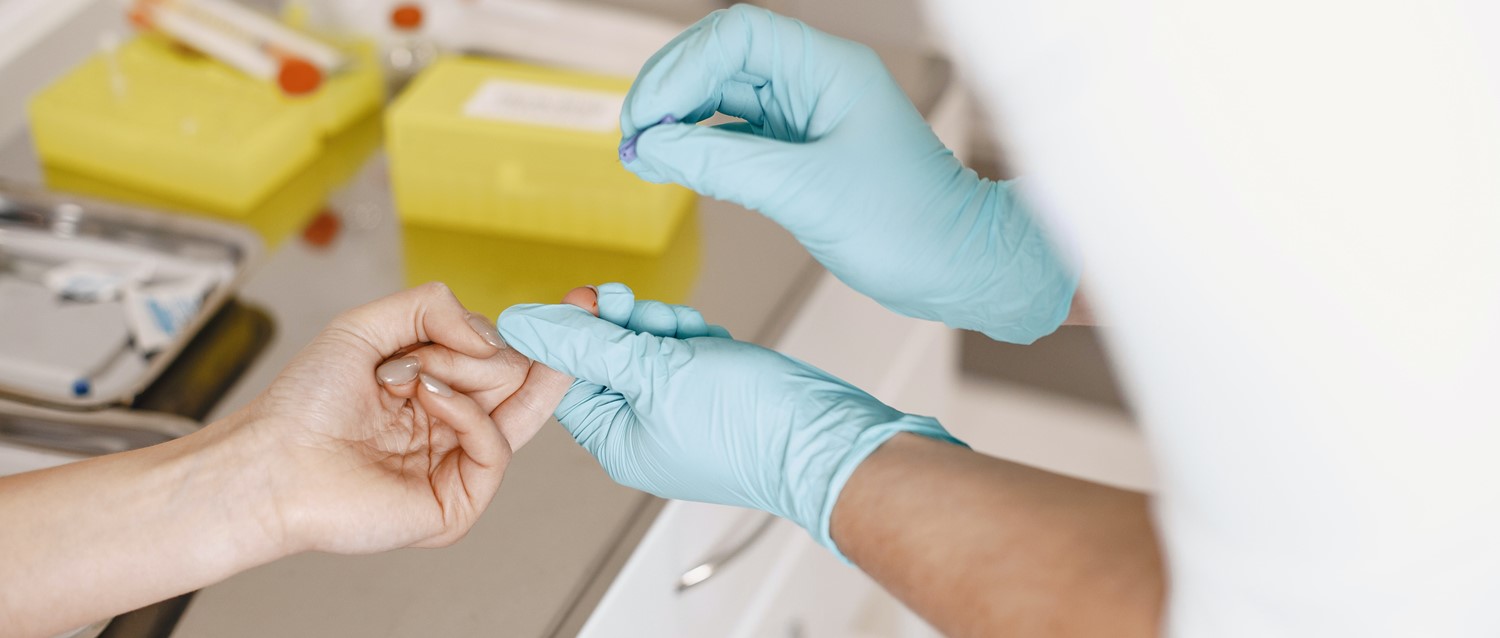
Gestational diabetes affects about 4-5% of pregnancies in the UK, according to Diabetes UK. All pregnant women are screened for risk factors for gestational diabetes at 8-12 weeks of gestation when they are booked in for their pregnancy. If they have more than one risk factor, they are offered an oral glucose tolerance test around 24-28 weeks of gestation. They will be offered a test earlier if they have previously had gestational diabetes and a further one at 24-28 weeks if that first test is normal.
The risk factors of gestational diabetes
Your body mass index (BMI) is above 30.
You previously had a baby who weighed 4.5 kg (10 lb) or more at birth.
You had gestational diabetes in a previous pregnancy.
One of your parents or siblings has diabetes.
You are of South Asian, Black, African-Caribbean, or Middle Eastern origin (even if you were born in the UK).
"The test usually involves a series of blood tests. The first is after a 12-hour (overnight) fast, after which a glucose drink is taken. Blood levels are then measured after two hours to see how your body manages that sugar load," explains Dr Sophie Relph, spokesperson for the Royal College of Obstetricians and Gynaecologists.
What causes gestational diabetes?
As type 2 diabetes can be triggered by lifestyle factors, it's natural to wonder whether gestational diabetes could have been caused by eating too much in pregnancy. However, gestational diabetes is not thought to be related to excess food or drink intake during pregnancy, although gestational diabetes may be more common in those who are overweight when they become pregnant.
"If you usually have a diet that is high in sugar and fat or are overweight, then this might increase your risk of having diabetes in pregnancy," says Relph. "However, gestational diabetes is not something that can be triggered by eating too much during pregnancy. That being said, if you are able to lose excess weight before becoming pregnant it will reduce your chance of developing the condition."
How is gestational diabetes treated?
Gestational diabetes is often controlled through changes to the diet, to keep blood sugars within a healthy range.
"We always try to control it with diet in the first instance," says Relph. "If you are diagnosed, you will usually be offered a meeting with a specialist midwife and dietician who will advise you. We usually ask women to measure their blood sugar at home over a two-week period to see what happens."
If diet alone fails to keep blood sugar levels within healthy limits, there are additional treatment options for gestational diabetes.
"Metformin tablets can be used to sensitise the body to its own natural insulin, which helps it to store glucose and prevents high sugar levels in the blood," says Relph. "For many this treatment alone will be sufficient, although in some, additional treatment with injections of insulin may be required."
What are the risks of having gestational diabetes?
The main risk of gestational diabetes occurs when the condition isn't controlled effectively, meaning blood sugars remain high.
"If blood sugars are frequently too high, the baby will receive too much sugar. This might cause them to grow too large - unhealthily so," says Relph.
How does gestational diabetes affect the baby?
"Increased fetal size leads to an increase in the chances of a woman requiring a c-section, or the risk of shoulder dystocia (where the shoulder gets stuck coming down the birth canal) during a natural birth. This is due to the fact that the baby's head will remain a normal size, but they may carry a lot of weight around their torso."
"While shoulder dystocia can usually be resolved quickly, sometimes babies may get stuck, causing fracture or even brain injury." There's also a raised risk of stillbirth for mothers who have gestational diabetes, but this is again usually due to uncontrolled diabetes and is very rare. Other risks include a sugar drop for the baby once born, which may need to be monitored and rectified.
How can I reduce the risk of complications from gestational diabetes?
By following dietary guidelines and if needed, taking any medications that have been prescribed, most women with gestational diabetes should be able to control their blood sugar, avoiding dangerous highs and further complications.
"If sugar is controlled, the risks are significantly reduced," agrees Relph. "If you have been diagnosed with gestational diabetes and are struggling to control your sugar levels, it's important to seek urgent advice from a midwife or doctor."
Gestational diabetes - longer-term
For most women, gestational diabetes resolves after the baby has been born, with blood sugars returning to pre-pregnancy levels. However, those who have developed gestational diabetes during pregnancy may find themselves more susceptible to diabetes in later life or in future pregnancies and should continue to monitor their health.
"Normally the majority of women find their sugars go back to normal almost immediately after the baby is born," says Relph. "However, we usually recommend a test about three months after the birth, with their GP to assess whether or not they have the early signs of diabetes, such as glucose intolerance, or whether they have developed the condition.
"Having gestational diabetes in pregnancy reveals the fact that you have a predisposition to becoming diabetic. You should repeat the test on an annual basis for life," she recommends.
Although a diagnosis of gestational diabetes may feel alarming, controlling your blood sugars carefully and following medical advice will significantly reduce any associated risks.
Patient picks for Complications

Pregnancy
What causes dizziness in pregnancy?
Navigating all the physical, hormonal and emotional changes that take place during pregnancy can be hard - and it’s not always a smooth ride. As your baby grows and your body adjusts, it’s common to feel faint, unsteady or dizzy. But why can pregnancy cause dizziness, what can you do about it and when should you seek medical help?
by Lydia Smith

Pregnancy
How to cope with groin and pelvic pain in pregnancy
Aches and pains in pregnancy are to be expected. After all, you're growing a baby - and the process can take its toll on your body. Pain around the pelvis can be particularly uncomfortable and can make simple tasks like going upstairs difficult. But what causes pain around the groin and pelvis during pregnancy - and what can you do about it?
by Lydia Smith
About the authorView full bio

Gillian Harvey
Freelance Writer
BA (Hons) English
Gillian is a freelance writer and columnist for a variety of national newspapers and magazines.
About the reviewerView full bio

Dr Krishna Vakharia, MRCGP
Chief Medical Officer for Health, Optum UK
MBChB, MRCGP(2013), BMedSci (hons), DFSRH, DRCOG, PGDipDerm (Distn)
Dr Krishna Vakharia is an NHS GP. She is also a regular examiner for the postgraduate Diploma in Practical Dermatology at Cardiff University as well as being the Chief Medical Officer for health at Optum UK.
Article history
The information on this page is peer reviewed by qualified clinicians.
Article also available in English, German, Spanish, French, Italian, Portuguese, Hindi, Hebrew, Arabic, and Swedish.
12 Aug 2022 | Latest version
12 Aug 2022 | Originally published
Join the conversation
Share your thoughts or experiences with others in our patient communities.

Ask, share, connect.
Browse discussions, ask questions, and share experiences across hundreds of health topics.

Feeling unwell?
Assess your symptoms online for free
Sign up to the Patient newsletter
Your weekly dose of clear, trustworthy health advice - written to help you feel informed, confident and in control.
By subscribing you accept our Privacy Policy. You can unsubscribe at any time. We never sell your data.
More in pregnancy
- Bacterial vaginosis in pregnancy: What you need to know
- Can you drink coffee when you are pregnant?
- Fertility diet: what to eat when you're trying to get pregnant
- Healthy pregnancy - what you need to know
- How to be vegan when you are pregnant or breastfeeding
- Postpartum power: exercising after pregnancy
- Pregnancy insomnia: how to get better sleep while pregnant
- Putting together a budget for your baby
- Quiz: Do I have postnatal depression?
- Scientists develop sperm separation method for sex selection
- Secret shoppers: Are women given the best contraception advice?
- Should you take probiotics for pregnancy?
- The best and the worst times of year to get pregnant
- Video: When are you most likely to get pregnant?
- What happens when you come off the pill?
- What is pre-eclampsia and how can it affect pregnant women?
- What is the difference between implantation bleeding and a period?
- What you need to know about inducing labour
- What your pregnancy cravings could mean
- When to investigate a miscarriage