
Vitamin D could cut risk of dying from cancer
Peer reviewed by Natalie HealeyAuthored by Natalie HealeyOriginally published 4 Jun 2019
Meets Patient’s editorial guidelines
- DownloadDownload
- Share
- Language
- Discussion
- Audio Version
- Add to preferred sources on Google
Taking vitamin D supplements could help cancer patients live longer, according to new research.
Vitamin D carries significant benefits beyond contributing to healthy bones. Researchers found taking a daily supplement for at least three years could cut the risk of dying of all cancers by 13%. However, there was no evidence that taking vitamin D pills could prevent the disease in the first place.
Dr Tarek Haykal, lead author on the study and an internal medicine resident physician at Michigan State University and Hurley Medical Centre said: "Vitamin D had a significant effect on lowering the risk of death among those with cancer, but unfortunately it didn't show any proof that it could protect against getting cancer."
Every two minutes someone in the UK is diagnosed with cancer and the disease accounts for over a quarter of deaths in the country.
To reach their conclusions, the Michigan team looked at data from more than 79,000 patients in multiple studies that compared the use of vitamin D to placebo over at least three years.
"The difference in the mortality rate between the vitamin D and placebo groups was statistically significant enough that it showed just how important it might be among the cancer population," Haykal said.
These findings are promising - not least because vitamin D supplements carry minimal side effects - but more research is needed before we understand how much of the vitamin is needed, why it has this effect of longevity, and for how much longer supplements might extend someone's life.
"All we can say is that at least three years of taking the supplement is required to see any effect. We know it carries benefits with minimal side effects. There's plenty of potential here," concluded Haykal.
The research is published in the Journal of Clinical Oncology.
Patient picks for Vitamins and supplements

Diet and nutrition
Vitamin A-rich foods could protect against skin cancer
People who consume foods rich in vitamin A are 17% less likely to develop a common form of skin cancer, according to experts at Brown University.
by Ashwin Bhandari
Diet and nutrition
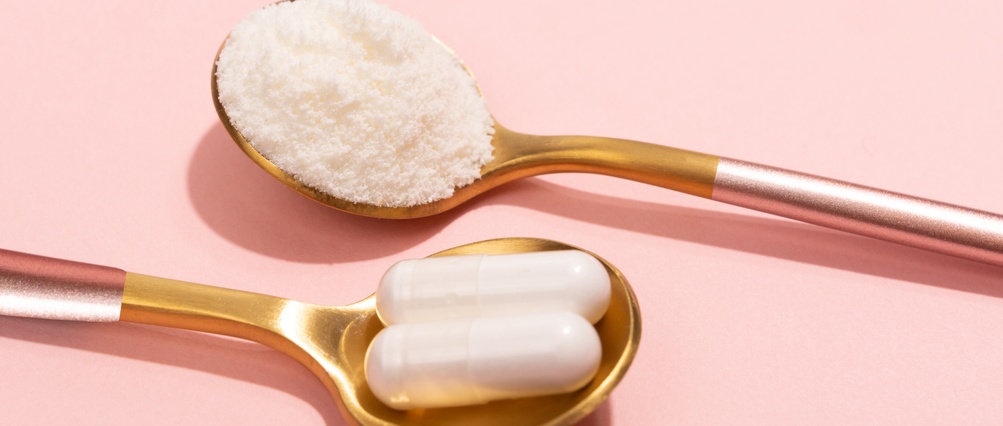
Can collagen supplements boost your health?
As we age, our body's natural collagen production decreases. This fact has prompted many people to consider taking collagen supplements - not only for their cosmetic benefits but for potential health improvements too.
by Victoria Raw
About the authorView full bio
Authored by

Natalie Healey
Freelance journalist
BSc (Hons) Biomedical Science
She is a London-based health journalist who has been writing about science and medicine for several years. She is the former head of editorial at Patient.
About the reviewerView full bio
Natalie Healey
Freelance journalist
BSc (Hons) Biomedical Science
She is a London-based health journalist who has been writing about science and medicine for several years. She is the former head of editorial at Patient.
Article history
Article also available in English, German, Spanish, French, Italian, Portuguese, Hindi, Hebrew, Arabic, and Swedish.
4 Jun 2019 | Originally published
Authored by:
Natalie HealeyPeer reviewed by
Natalie Healey
Join the conversation
Share your thoughts or experiences with others in our patient communities.

Ask, share, connect.
Browse discussions, ask questions, and share experiences across hundreds of health topics.

Feeling unwell?
Assess your symptoms online for free
Sign up to the Patient newsletter
Your weekly dose of clear, trustworthy health advice - written to help you feel informed, confident and in control.
By subscribing you accept our Privacy Policy. You can unsubscribe at any time. We never sell your data.