
Cómo es vivir con la fatiga del cáncer
Revisado por pares por Dr Krishna Vakharia, MRCGPEscrito por Amberley DavisPublicado originalmente 15 Nov 2022
Cumple con las directrices editoriales
- DescargarDescargar
- Compartir
- Language
- Discusión
- Versión en audio
- Agregar a fuentes preferidas en Google
La fatiga por cáncer es un síntoma común y debilitante del cáncer y su tratamiento. La experiencia de la fatiga por cáncer es única para cada persona, pero escuchar las historias de los demás puede ser valioso y reconfortante.
What is cancer fatigue?
"My cancer fatigue is like nothing I have every experienced - no amount of sleep seems to help," says Fiona Macrae, a model for Beauty Despite Cancer skincare.
Many of us understand fatiga as a short-term physical concern that's resolved with relaxation or a good night's sleep. For people like Fiona and others, who are living with cáncer, the term takes on a whole new meaning.
To experience cancer fatigue is like a persistent and unshakeable feeling of exhaustion that can have a profound physical, mental, and emotional impact in a person's life.
What does cancer fatigue feel like?
While experts recognise the common symptoms and psychological impacts of cancer fatigue, it can affect people in different ways and everyone's experience is unique. Sharing and hearing each other's stories can help people going through similar challenges understand that they're not alone.
Fiona Macrae shares her own experience with cancer fatigue
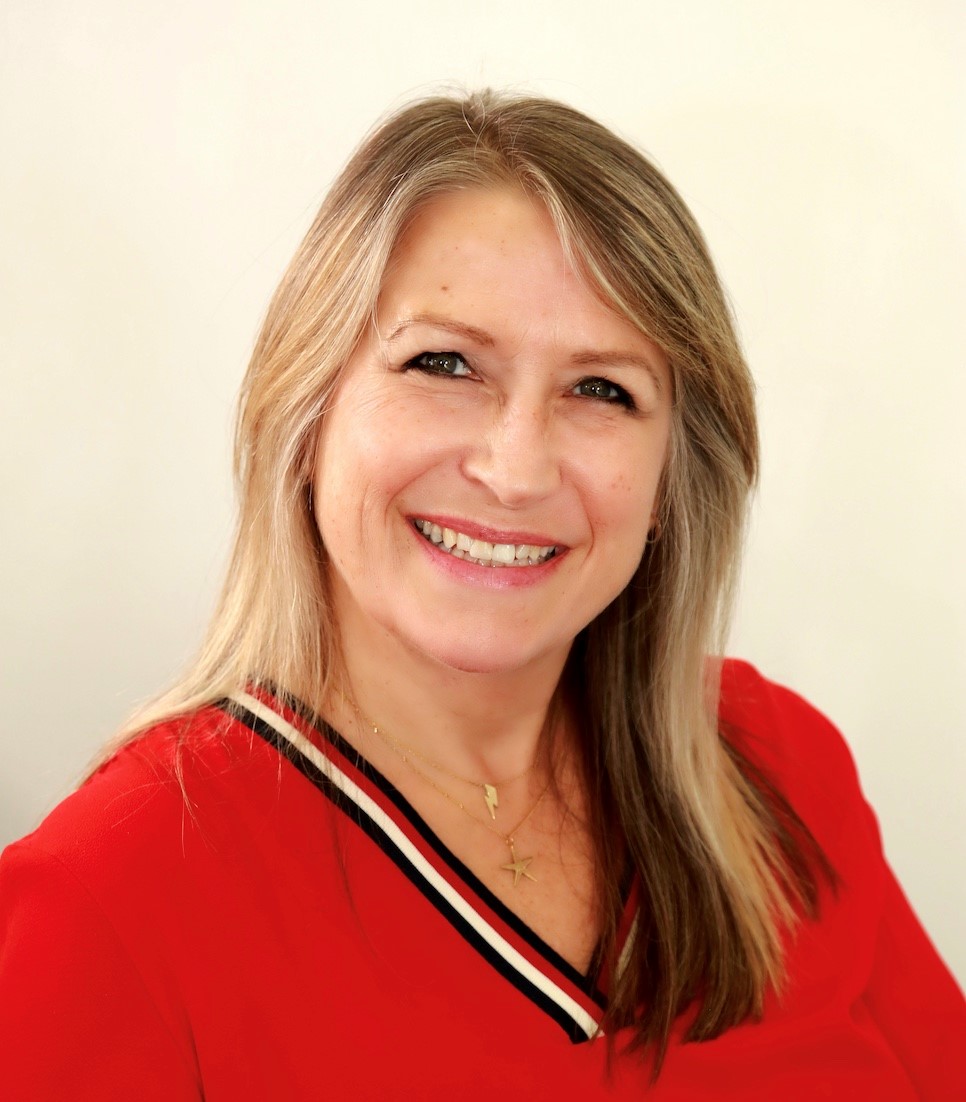
Fiona's story
Q. Can you describe your experience of cancer fatigue?
"The best way I can describe it is like wading through treacle - everything you do takes an enormous amount of effort."
Q. Was there a difference between the fatigue you experienced from cancer itself and from the treatment?
"The cancer itself didn't seem to cause fatigue, or nothing noticeable. I have incurable cáncer de mama, so I am now on treatment for life. One of these treatments is immunotherapy, which I take for three weeks and then have a week off - this cycle is ongoing for as long as that treatment is working for me."
One of the side effects of immunotherapy is fatigue. For Fiona, this is most ferocious during her last week of treatment and during her week off.
Q. How does this affect your quality of life?
"The fatigue that I get from the immunotherapy is like nothing I have every experienced - no amount of sleep seems to help and going to bed and trying to sleep doesn't help either. My body feels so tired, but my mind isn't."
"I more or less need to fit my life into the two weeks a month where my energy levels are up and accept that for the other two weeks, I have to manage what I do very carefully.
"Overdoing it when my body is already fatigued has in the past left me seriously run down, which leaves me more open to infections."
Different stories, shared challenges
Other people managing cancer fatigue will each have a different story. For some, the disease itself is their biggest source of fatigue, rather than a side effect of treatment. The length of these intense periods of tiredness and low energy also varies greatly - it may last for weeks, months or years1.
No matter the differences, this complication of cancer is intense and significantly disrupts the lives of those living with it. Charities like Maggie's have support networks to bring people with cancer together, where they can share advice and real-life coping techniques.
Coping with cancer fatigue
Fiona's advice for people coping with cancer fatigue is to listen to your body and to not feel guilty when you need to rest. "If you need an afternoon in bed watching reality TV - do it."
For those who, like her, experience cancer fatigue in peaks and dips during a treatment cycle, she recommends planning around this: "I recommend going out and having treats during your good weeks, and more home time and friends coming to see you in your not-so-good weeks."
Jennifer Young is an expert in specialist skincare for those living with and beyond cancer. She has seen many people struggling with extreme tiredness following a cancer diagnosis:
"Cancer itself can cause fatigue, cancer treatments can be extremely draining, and the stress of having a diagnosis along with everything this leads you to contemplate can also cause tiredness and low moods."
She has also seen the positive impact that holistic therapies can have on improving fatigue: "Massage has been shown to reduce fatigue in the short term as well as improve sleep quality, while essential oils like lavender and lemon can help uplift energy."
There are several other coping techniques that could help make your life that little bit easier - the first step is to speak up if you're struggling. Both experts and people living with cancer fatigue can provide support.
Lectura adicional
Selecciones del paciente para Información sobre el cáncer

Cáncer
Tratamiento especializado contra el cáncer en la comodidad de su hogar
Puede acceder al tratamiento contra el cáncer en casa, gracias a proveedores especializados como Lloyds Clinical, que han estado tratando a personas en sus hogares durante casi 30 años. El tratamiento en casa elimina la tensión de viajes innecesarios, estacionamiento y visitas al hospital, liberando tiempo para priorizar la vida familiar y el trabajo. Trabajando con los más altos estándares clínicos y de seguridad, enfermeras altamente capacitadas en oncología y especialistas en enfermería clínica brindan tratamiento clínico 1-2-1, con el equipo para responder como lo harían en el hospital. Los servicios especializados en cáncer significan que los pacientes del NHS, asegurados médicamente privados y pacientes que pagan por cuenta propia que desean una alternativa al hospital pueden comenzar su tratamiento en casa.
por Lloyds Clinical

Cáncer
Mitos sobre el cáncer que debes dejar de creer
Como si no tuviéramos suficiente de qué preocuparnos, cada día parece traer una nueva historia alarmante sobre el cáncer. Pero aquí están los mitos por los que realmente no necesitas preocuparte.
por la Dra. Sarah Jarvis
Sobre el autorVer biografía completa

Amberley Davis
Escritora senior
BA (Hons), CPD
Amberley es una escritora senior en Patient y ha escrito extensamente sobre una variedad de temas de salud y bienestar.
Acerca del revisorVer biografía completa

Dr Krishna Vakharia, MRCGP
Director Médico de Salud, Optum UK
MBChB, MRCGP(2013), BMedSci (hons), DFSRH, DRCOG, PGDipDerm (Distn)
La Dra. Krishna Vakharia es una médica general del NHS. También es examinadora habitual del Diploma de Posgrado en Dermatología Práctica en la Universidad de Cardiff, además de ser la Directora Médica de salud en Optum UK.
Historial del artículo
La información en esta página es revisada por pares por clínicos calificados.
Artículo también disponible en Inglés, Alemán, Español, Francés, Italiano, Portugués, Hindi, Hebreo, Árabe, y Sueco.
15 Nov 2022 | Publicado originalmente
Escrito por:
Amberley DavisRevisado por pares por
Dr Krishna Vakharia, MRCGP

Pregunta, comparte, conecta.
Navega por discusiones, haz preguntas y comparte experiencias en cientos de temas de salud.

¿Te sientes mal?
Evalúa tus síntomas en línea de forma gratuita
Suscríbete al boletín de Patient
Tu dosis semanal de consejos de salud claros y confiables, escritos para ayudarte a sentirte informado, seguro y en control.
Al suscribirte aceptas nuestros Política de Privacidad. Puedes darte de baja en cualquier momento. Nunca vendemos tus datos.
Más sobre el cáncer
- Prueba de sangre puede detectar cáncer de ovario dos años antes
- ¿Puede una nueva prueba de sangre detectar el cáncer de pulmón temprano?
- Cuidado al final de la vida: apoyo médico, emocional y espiritual
- Cómo se pasó por alto mi cáncer de ovario: Natasha cuenta su historia
- Cómo detectar el cáncer de mama y cómo se siente un bulto
- Cómo cuidar tu cabello durante la quimioterapia
- ActualizadoCómo detectar los signos del cáncer de boca
- Cómo detectar las señales de advertencia del cáncer ginecológico
- ¿Es cáncer de próstata o algo más?
- Los cánceres con menor tasa de supervivencia son más propensos a ser diagnosticados tarde
- El cáncer de pulmón en no fumadores es más común de lo que piensas
- Prueba de sangre personalizada detecta el regreso del cáncer de mama
- ¿Deberías usar protector solar incluso cuando está nublado?
- El azúcar en refrescos y jugos de fruta está relacionado con un mayor riesgo de cáncer
- La verdad sobre la obesidad y el cáncer
- Los alimentos ricos en vitamina A podrían proteger contra el cáncer de piel
- ¿Cuáles son los mitos y hechos comunes sobre la detección cervical?
- ¿Cuáles son las opciones para el cuidado al final de la vida?
- Por qué no deberías omitir tu prueba de Papanicolaou
- Mujeres 'no advertidas' sobre los efectos secundarios del tratamiento para eliminar células cervicales precancerosas