Científicos desarrollan un método de separación de esperma para la selección de sexo
Revisado por pares por Natalie HealeyÚltima actualización por Milly EvansÚltima actualización 14 Aug 2019
Cumple con las directrices editoriales
- DescargarDescargar
- Compartir
- Language
- Discusión
- Versión en audio
- Agregar a fuentes preferidas en Google
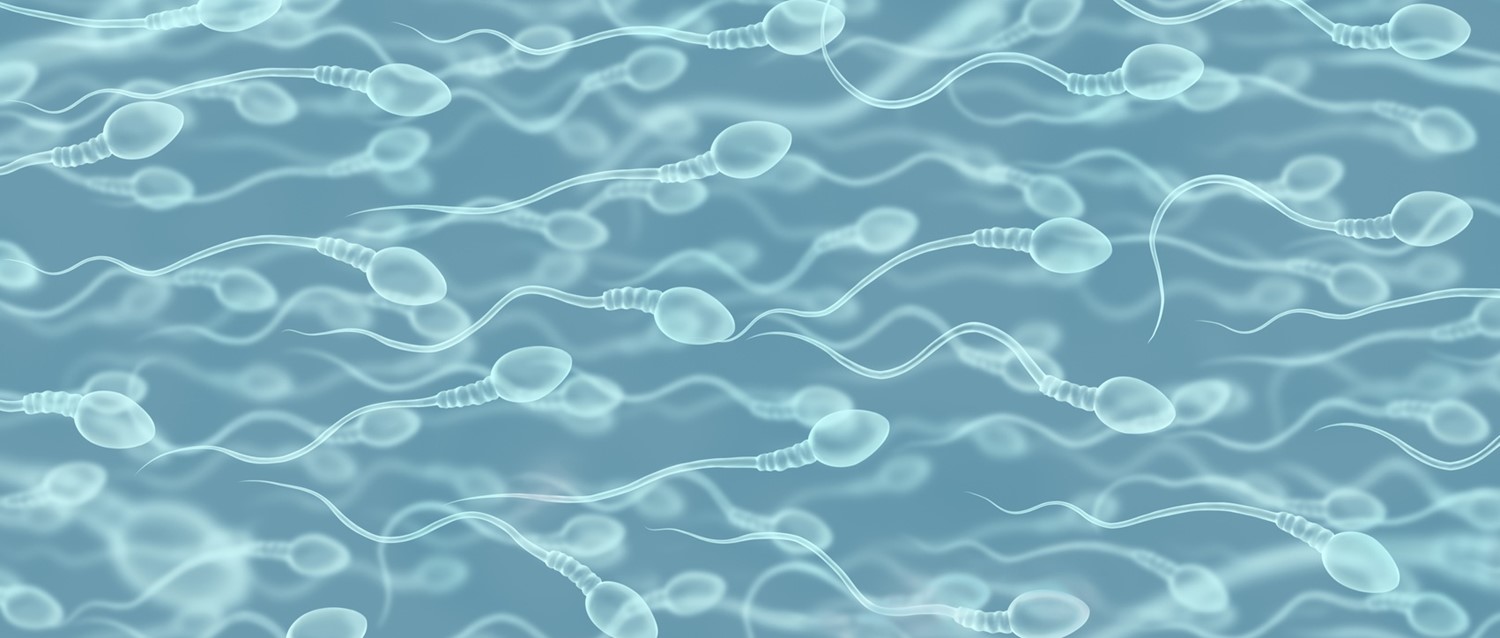
Los investigadores han desarrollado un tratamiento químico reversible para separar los espermatozoides X y Y con el fin de elegir el sexo de la descendencia.
La investigación, publicada en PLOS Biology, found that the simple, reversible chemical treatment could dramatically alter the 50:50 male and female offspring ratio so that sex selection would be possible. The study was carried out on mice but is likely widely applicable to other mammals too.
Most cells from male mammals contain both an X and Y chromosome. However, during the development of sperm, the X and Y chromosomes are split into different cells so that a sperm cell will carry one or the other. Sperm carrying an X chromosome will produce daughters and those carrying a Y chromosome will develop into sons.
Researchers were able to distinguish between the two types of sperm because of the difference in gene expression. The Y chromosome carries few genes whereas the X chromosome carries many. They found that almost 500 genes are only active in X-bearing sperm, including a pair of receptors called Toll-like receptor 7 and 8 (TLR7/8) which were used in the experiment.
The researchers treated mouse sperm with a chemical which bound to the receptors and slowed sperm movement, without affecting their ability to fertilise. The procedure was fully reversed by removing the chemical.
Using in vitro fertilisation (IVF) with the fastest swimmers (the Y chromosome sperm) resulted in mice litters which were 90% male. Using the slower swimmers (those carrying the X chromosome) resulted in litters which were 81% female.
Thus far, no markers specific to X- or Y-sperm have been found, according to Dr James Turner, leader of the Sex Chromosome Biology lab at the Francis Crick Institute.
"The discovery of a protein that marks only X-sperm is really surprising, so the top priority will be to reproduce this finding, and to understand why this protein proves the exception to the rule."
Compared to other sex selection procedures, this method is far cheaper, simpler and less risky. It could greatly simplify the process of sex selection for IVF or artificial insemination. Sex selection in humans is illegal in the UK.
Co-author of the research at Hiroshima University, Japan, Masayuki Shimada, acknowledged that, despite its usefulness in agriculture, sex selection is a still widely debated and contested subject in humans. "The differential expression of receptor genes by the two sex chromosomes provides the basis for a novel and potentially highly useful method for separating X and Y sperm and we have already succeeded in the selective production of male or female in cattle and pigs by this method," he explained. "Nonetheless, use of this method in human reproductive technology is speculative at the moment, and involves significant ethical issues unaffected by the utility of this new technique."
"This paper is very interesting because it highlights inherent physiological differences between X and Y chromosome bearing sperm in the laboratory," said Professor Allan Pacey, Professor of Andrology at the University of Sheffield.
"However, to date, the experiments have only been performed on the sperm from laboratory mice and we don't know if this effect would be seen in the sperm from other animals, such as cattle (where producing more females is important for dairy herds) or in humans where would-be parents may desire a child of a specific sex (although that is currently unlawful in the UK). However, the data does suggest that sperm are far more complex cells than we've previously been aware of and that we still have a lot more to learn about them."
Este estudio fue publicado en PLOS Biology.
Selecciones del paciente para Fertilidad

Salud sexual
Dieta de comida chatarra vinculada a un bajo conteo de espermatozoides
La fertilidad de un hombre podría verse dañada de manera irreversible por seguir una dieta alta en comida chatarra, sugiere una nueva investigación.
por Ashwin Bhandari
Salud sexual
La verdad sobre la congelación de óvulos
An increasing number of women under the age of 35 are choosing to freeze their eggs in the hope of preserving their fertility and delaying the reproductive process until later in life. We examine the latest developments in this area and dispel some common misconceptions.
por Sally Turner
Sobre el autorVer biografía completa

Milly Evans
Editor
Milly escribe sobre una variedad de temas de salud, con un interés particular en la desigualdad en salud y la salud sexual.
Acerca del revisorVer biografía completa

Natalie Healey
Periodista freelance
Licenciatura (Hons) en Ciencias Biomédicas
Es una periodista de salud con sede en Londres que ha estado escribiendo sobre ciencia y medicina durante varios años. Es la exjefa de redacción en Patient.
Historial del artículo
La información en esta página es revisada por pares por clínicos calificados.
Artículo también disponible en Inglés, Alemán, Español, Francés, Italiano, Portugués, Hindi, Hebreo, Árabe, y Sueco.
14 Aug 2019 | Última versión

Pregunta, comparte, conecta.
Navega por discusiones, haz preguntas y comparte experiencias en cientos de temas de salud.

¿Te sientes mal?
Evalúa tus síntomas en línea de forma gratuita
Suscríbete al boletín de Patient
Tu dosis semanal de consejos de salud claros y confiables, escritos para ayudarte a sentirte informado, seguro y en control.
Al suscribirte aceptas nuestros Política de Privacidad. Puedes darte de baja en cualquier momento. Nunca vendemos tus datos.
Más sobre salud sexual
- ¿Puede tu farmacéutico ayudarte con tu salud sexual?
- ¿Afecta la anticoncepción hormonal la fertilidad después de dejar de tomarla?
- ¿Fumar afecta tu vida sexual?
- ¿El cáncer de testículo afecta tu fertilidad?
- ¿Cómo afecta un derrame cerebral a tu vida sexual?
- Cómo los problemas de erección pueden afectar tu relación
- Cómo tu estilo de vida puede ser una causa de bajo conteo de esperma
- ¿Es fácil hacerse una prueba de VIH?
- ¿El sexo oral es menos arriesgado que el coito?
- Dieta de comida chatarra vinculada a un bajo conteo de espermatozoides
- ¿Deberías cambiar tu método anticonceptivo al DIU o al implante?
- ¿Deberías considerar el dispositivo intrauterino de cobre para la anticoncepción de emergencia?
- Estigma del VIH y representaciones en los medios
- Educación sexual para adolescentes: los mejores recursos digitales para tu hijo
- La verdad sobre la congelación de óvulos
- ¿Qué es el síndrome post-anticonceptivo?
- Qué no decirle a alguien con VIH
- ¿Cuál es el futuro de la anticoncepción?
- ¿Cuándo volveré a ser fértil después de dejar la anticoncepción?
- ¿Quién debería tomar el medicamento de prevención del VIH PrEP?