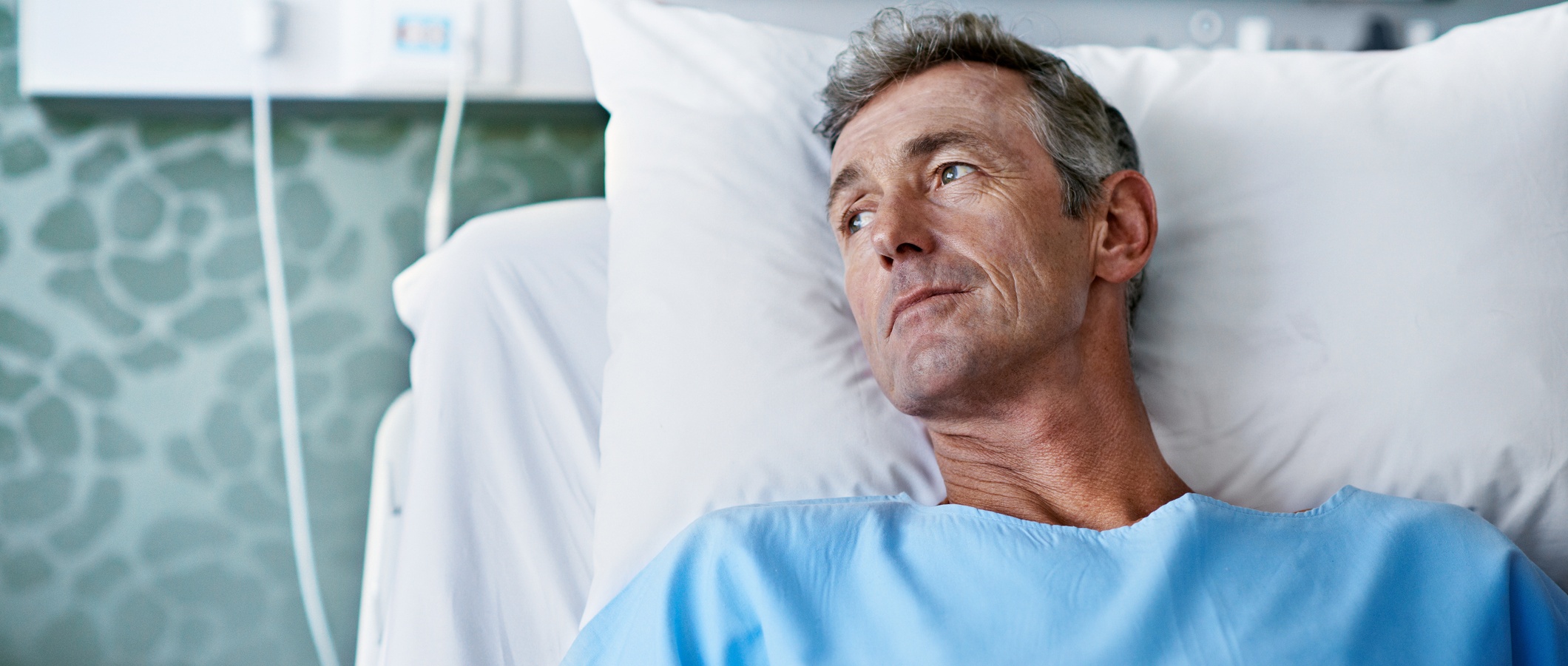
Recuperación después de un infarto
Revisado por Dra. Sarah JarvisEscrito por Danny ChadburnPublicado originalmente 28 de sept. de 2017
Cumple con las directrices editoriales
- DescargarDescargar
- Compartir
- Language
- Discusión
- Versión en audio
- Agregar a fuentes preferidas en Google
Cada tres minutos, alguien en algún lugar del Reino Unido sufre un infarto. La buena noticia es que la mayoría de estas personas se recuperan; actualmente hay más de 915,000 sobrevivientes de infarto viviendo en el Reino Unido.
But if you recently joined their club, you might be wondering ‘what now?’
El camino hacia la recuperación
‘You will not be discharged from hospital unless the doctors think you are out of immediate danger. In the case of a mild heart attack, when the heart still has good function, you could be home within as little as 48 hours,’ says consultant cardiologist Dr Andrew Archbold from BMI The London Independent Hospital.
Your recovery begins at this point, but can you just resume your normal life or do you need to change your lifestyle?
Exercise after a heart attack
Physical activity and regular exercise are good for you, as long as it’s done in the right way, and are now one of the main parts of a programa de rehabilitación cardíaca. ‘Recovering from a heart attack today is not like years ago when you were on bed rest for weeks,’ says Dr Archbold. ‘Now you are encouraged to move. Exactly how much activity is recommended depends on the level of damage your heart has sustained.’
Before you leave hospital, you will see a cardiac rehabilitation team who can give you specific advice and an exercise programme that will gradually build up to what you are capable of. Generally though, it’s hoped most people will manage 20 minutes of walking, swimming or cycling in one go within four to six weeks.
One activity not recommended for a while is lifting heavy weights, ‘This can increase blood pressure while you do it and doesn’t give the sustained stimulus the heart needs to strengthen it again,’ says Dr Archbold. Ask your team when you can start weightlifting again if it’s an exercise you enjoy.
Should you change your diet?
It may need an overhaul. ‘Because excess weight increases the risk of a heart attack, if you are overweight your cardiac rehabilitation team will try and work with you to get you back down to a healthy BMI. So this could mean some dietary changes,’ says Julie Ward, senior cardiac nurse at the British Heart Foundation.
‘We suggest you avoid foods that increase the risk of coronary enfermedades del corazón like saturated fat, and ideally swapping to a more Mediterranean style of eating which may lower risk,’ says Ward. This means lots of fresh fruit and vegetables, healthy fats in the form of olive oil, nuts and wholegrains, and an emphasis on fish over meat, particularly oily fish which contains healthy omega-3 fats.
Dejar de fumar
If you smoke, it will be strongly suggested that you stop - smokers are almost twice as likely to have a heart attack as those who’ve never smoked. You’ll be offered plenty of support to quit though. Start with our tips on how to stop smoking.
Volver al trabajo
How fast this happens depends on your occupation; if you sit at a desk all day, it might be okay to go back after a couple of weeks, but ‘if you have a job that involves physical activity, you’ll need at least two weeks off and to be cleared by the cardiac rehabilitation team before you go back,’ says Dr Archbold.
Another group that needs extra time off are those who drive for a living, such bus drivers, lorry drivers and taxi drivers. You must tell the DVLA about your heart attack, and you need to be fully recovered - and pass a treadmill stress test - to regain your license to drive for work. That usually doesn’t happen for at least six weeks after a heart attack.
Do you need check ups?
The biggest cause of a heart attack is coronary heart disease, ‘so you will be regularly checked regularly for CHD risk factors,’ says Ward. ‘Expect to see your GP at least once a year to have your control de la presión arterial y colesterol levels checked.’
If you are given medication to take after a heart attack, you must keep taking it as instructed by your doctors as it can reduce your risk of having another attack.
Sex and intimacy
You can generally resume having sex when you feel comfortable, usually around four weeks after a heart attack. Sex is a form of exercise so you should be able to go back to enjoying it - like any other exercise - after a heart attack.
One thing that might affect this is the medication you’re on. Beta-blockers have an effect on circulation that can lower arousal and may lead to disfunción eréctil in men. If you find your sex life is suffering, speak to your GP.
Selecciones del paciente para ataque al corazón
Salud del corazón y vasos sanguíneos
¿Puede el estrés causar ataques al corazón?
While stress alone doesn't directly cause heart attacks, long-term, unmanaged stress can raise your chance of having one. In this article, we explore effective ways to lower your likelihood of heart attack and offer practical tips for managing stress.
por Victoria Raw

Salud del corazón y vasos sanguíneos
¿Es indigestión o un ataque al corazón?
Cada tres minutos, alguien en el Reino Unido sufre un ataque al corazón, y el 30% de los casos son fatales, por lo que cuanto más rápido se brinde ayuda, mejor. Reconocer los síntomas – o si simplemente estás sufriendo de indigestión – y saber qué hacer, es por tanto muy importante.
por Danny Chadburn
Sobre el autor
Escrito por

Danny Chadburn
Jefe de Contenido
Danny fue el anterior Jefe de Contenido en Patient.
Acerca del revisorVer biografía completa

Dra. Sarah Jarvis
Consultora Clínica
MA (Cantab), BM, BCh (Oxon), DRCOG, FRCGP, MBE
Después de formarse en medicina en Cambridge y Oxford, la Dra. Sarah Jarvis MBE se convirtió en médica general.
Historial del artículo
Artículo también disponible en Inglés, Alemán, Español, Francés, Italiano, Portugués, Hindi, Hebreo, Árabe, y Sueco.
28 de sept. de 2017 | Publicado originalmente
Escrito por:
Danny Chadburn
Revisado por
Dra. Sarah Jarvis
Únete a la conversación
Comparte tus pensamientos o experiencias con otros en nuestro comunidades de pacientes.

Pregunta, comparte, conecta.
Navega por discusiones, haz preguntas y comparte experiencias en cientos de temas de salud.

¿Te sientes mal?
Evalúa tus síntomas en línea de forma gratuita
Suscríbete al boletín de Patient
Tu dosis semanal de consejos de salud claros y confiables, escritos para ayudarte a sentirte informado, seguro y en control.
Al suscribirte aceptas nuestros Política de Privacidad. Puedes darte de baja en cualquier momento. Nunca vendemos tus datos.