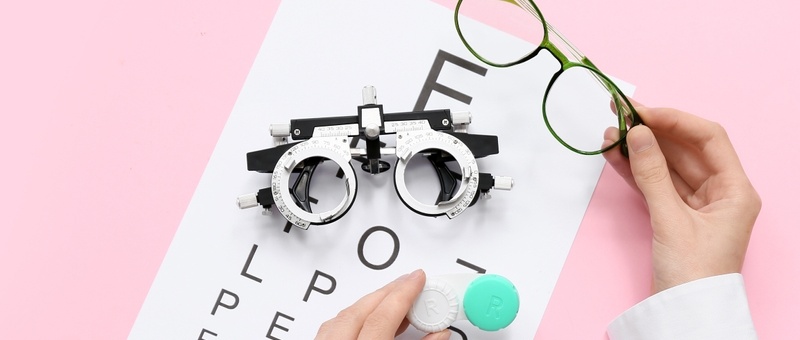
¿Qué es AMD y por qué deberías prestarle atención?
Revisado por Dr Colin Tidy, MRCGPEscrito por Victoria RawPublicado originalmente 16 Feb 2026
Cumple con las directrices editoriales
- DescargarDescargar
- Compartir
- Language
- Discusión
- Ask Patient
- Versión en audio
- Agregar a fuentes preferidas en Google
One of Britain’s most beloved actors has spoken candidly about living with a condition that has affected her ability to go outdoors alone.
Dame Judi Dench was diagnosed with age-related macular degeneration (AMD) 14 years ago, at the age of 76. AMD is a common eye condition that affects your central vision and gradually reduces your ability to see clearly straight ahead.
We asked an expert what AMD does to your eyes, the key symptoms to watch for, and steps you can take to help protect your sight.
Selecciones de videos para Salud ocular Biblioteca de videos
What is age-related macular degeneration (AMD)?
AMD is one of the leading causes of sight loss in the UK. It happens when the cells in the macula - the central part of your retina - start to break down. As the condition progresses, everyday activities such as reading, driving and recognising faces can become increasingly difficult.
AMD is more common with age and primarily affects people over 55. It can develop gradually over several years or, in some cases, progress more rapidly within months. The condition often begins in one eye, though it may eventually affect both.
Oscar-winner Dame Judi Dench has been living with AMD since 2012, when she was in her mid-seventies. Now in her nineties, she recently spoke about her declining eyesight in an interview with Trinny Woodall.
Appearing on the fashion expert’s podcast, Fearless, Dame Judi explained that she can no longer go out alone due to the progression of her AMD. She now always has someone with her when she ventures outdoors, as her central vision has deteriorated to the point where she feels unsafe navigating the outside world by herself.
Her openness has sparked fresh appeals for people across the UK to have regular eye check-ups, to help detect AMD sooner.
Dr Shen Mason
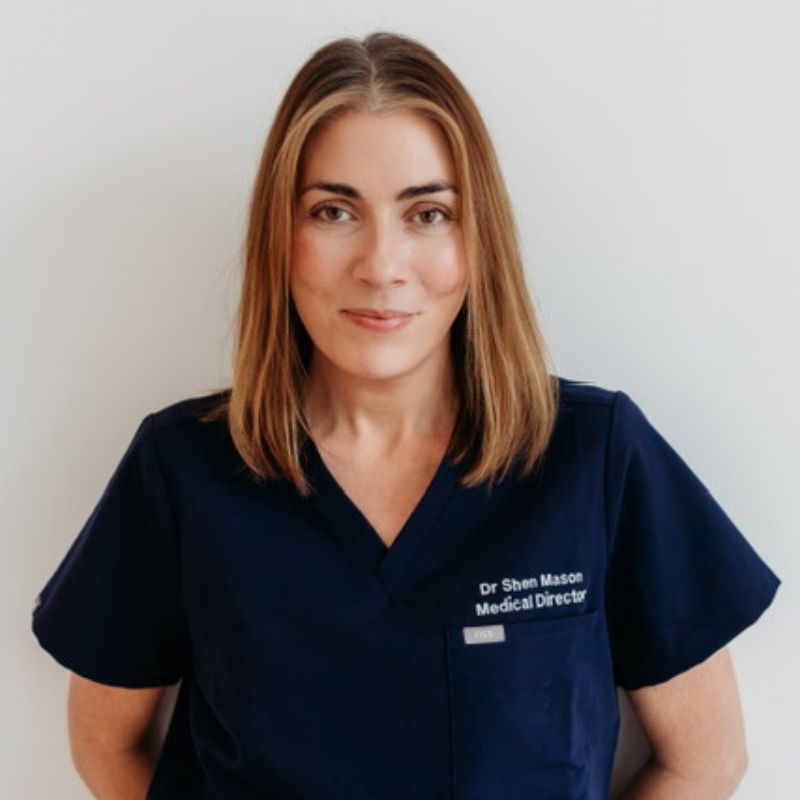
Dr Shen Mason, Medical Director for Ophthalmology at Practice Plus Group, UK, explains that Dame Judi’s comments have brought much-needed attention to a condition that affects millions of people across the UK.
“Dame Judi Dench bravely sharing her experience will really help to raise awareness of AMD and the devastating impact it can have on independence and everyday life,” says Mason. “What many people don’t realise is that AMD can often be detected much earlier - often routinely in people in their 50s and 60s - through regular eye tests, sometimes before any symptoms appear.”
What are the symptoms of AMD?
Regular eye tests with an ophthalmologist are crucial for detecting AMD, as early changes in vision may go unnoticed. Knowing the key signs can help you seek treatment promptly and slow the condition’s progression.
Common signs of AMD may include:
Central vision becomes blurry, distorted, or gradually harder to see clearly - even when wearing your glasses.
Challenges with everyday activities such as reading, watching television, driving, or recognising faces.
Needing brighter light to read or do close-up tasks.
Colours appear less vivid or washed out.
Increased sensitivity to bright lights or glare.
Seeing occasional flickers or flashes of light.
Straight lines appear wavy, bent, or irregular.
Visual hallucinations - such as seeing objects that aren’t really there.
A small blank spot in the centre of your vision that may become slowly larger over time.
Why early detection of AMD matters
While certain treatments and lifestyle changes might help slow the progression of AMD, they can’t restore vision that has already been lost.
“Once sight has been lost to AMD, we can’t get it back,” Mason warns. “Treatment focuses on stabilising your vision rather than improving it, which is why early diagnosis is so important. The earlier we catch AMD, the better chance we have of preserving your sight and maintaining your independence.”
She adds that in the past, many people accepted vision loss as an inevitable part of ageing - but that’s no longer the case.
“Regular eye checks allow us to detect and treat conditions such as cataracts, glaucoma and macular degeneration early - often before symptoms develop,” says Mason.
5 tips to reduce your chance of AMD
Mason encourages everyone not to wait until AMD symptoms develop, but to attend regular eye examinations - even if your vision seems normal. This is the most reliable way to detect AMD early and safeguard your long-term eye health.
She outlines five simple steps you can take after 60 to help lower your likelihood of developing the condition:
Book an eye test every one to two years - or more often if you have diabetes, presión arterial alta, or a family history of eye disease.
Dejar de fumar - this increases your chance of both cataracts and macular degeneration.
Eat a healthy, saludable y equilibrada rich in leafy greens and brightly coloured vegetables.
Keep your blood pressure and diabetes well managed.
Protect your eyes from ultraviolet (UV) light by wearing sunglasses in bright daylight.
Selecciones del paciente para Salud ocular
Salud ocular
Protege tu vista para el futuro: por qué tus ojos merecen un plan a largo plazo
Es un hecho de la vida que, a medida que envejecemos, ciertas funciones corporales cambian naturalmente, y la vista es una de ellas. Aunque muchos factores afectan la salud ocular y no todos están bajo nuestro control, simples hábitos saludables pueden ayudar a mantener tu visión fuerte por más tiempo. Cuidar tus ojos a medida que envejeces puede marcar una gran diferencia para mantenerte activo, independiente y capaz de hacer lo que amas.
por Victoria Raw

Salud ocular
Cómo prevenir los ojos secos durante el invierno
Los ojos secos durante el invierno no son infrecuentes, especialmente cuando cambian las temperaturas y la mayoría de nosotros encendemos la calefacción central. Aunque no podemos controlar el clima, es posible prevenir los ojos secos o aliviar los síntomas incómodos e irritantes que los acompañan.
por Lynn Stephen
Preguntas frecuentes
Si me han diagnosticado DMAE, ¿perderé definitivamente toda mi visión?
No, si tienes DMAE, no significa que perderás toda tu visión. La DMAE afecta principalmente tu visión central, que es crucial para tareas como leer y reconocer caras. Tu visión periférica (lateral) generalmente no se ve afectada, lo que significa que aún podrías ver cosas en los bordes de tu visión. La detección temprana y el tratamiento tienen como objetivo preservar tu visión existente el mayor tiempo posible.
¿La DMA solo afecta a las personas mayores?
Aunque la DMAE es más común con la edad y típicamente afecta a personas mayores de 55 años, es importante recordar que puede desarrollarse antes. A la Dama Judi Dench se le diagnosticó en sus setenta y tantos, pero el Dr. Shen Mason señala que a menudo se puede detectar en personas de 50 y 60 años mediante exámenes oculares regulares, a veces incluso antes de que comiencen a aparecer los síntomas.
¿Puede la DMAE afectar solo un ojo?
Sí, la DMAE puede comenzar en un solo ojo. Sin embargo, eventualmente puede afectar a ambos ojos. Los exámenes oculares regulares son importantes incluso si solo nota síntomas en un ojo, para monitorear cambios en el otro.
¿Existen diferentes tipos de AMD, y este artículo los cubre?
El artículo discute la degeneración macular relacionada con la edad (DMAE) en general y su impacto, síntomas y consejos para reducir su probabilidad. Se centra en la experiencia del paciente y la importancia de la detección temprana y el manejo de la condición. No profundiza en tipos específicos de DMAE ni en sus características diferentes.
Si tengo AMD, ¿qué cambios puedo esperar en mi vida diaria, especialmente con actividades como conducir?
A medida que la DMAE avanza, las actividades cotidianas pueden volverse cada vez más difíciles. Tareas como leer, conducir y reconocer caras pueden ser desafiantes. Dame Judi Dench, por ejemplo, ya no puede salir sola debido al deterioro de su visión central, necesitando a alguien con ella para su seguridad cuando está afuera. El nivel de impacto varía, pero el deterioro de la visión central puede afectar significativamente la independencia.
Sobre el autorVer biografía completa
Escrito por

Victoria Raw
Redactora de artículos
Licenciatura en Artes (Hons), Literatura Inglesa
Victoria es redactora de contenido en Patient, con intereses especiales que abarcan el bienestar mental, las tendencias sociales y el impacto de la tecnología en nuestra salud.
Acerca del revisorVer biografía completa

Dr Colin Tidy, MRCGP
Médico General, Autor Médico
MBBS, MRCGP, MRCP (Paediatrics), DCH
El Dr. Colin Tidy es un médico del NHS, con sede en Oxfordshire.
Historial del artículo
Artículo también disponible en Inglés, Alemán, Español, Francés, Italiano, Portugués, Hindi, Hebreo, Árabe, y Sueco.
Próxima revisión: 16 de febrero de 2029
16 Feb 2026 | Publicado originalmente
Escrito por:
Victoria RawRevisado por
Dr Colin Tidy, MRCGP
Comparte tus pensamientos o experiencias con otros en nuestro comunidades de pacientes.
Suscríbete al boletín de Patient
Tu dosis semanal de consejos de salud claros y confiables, escritos para ayudarte a sentirte informado, seguro y en control.
Al suscribirte aceptas nuestros Política de Privacidad. Puedes darte de baja en cualquier momento. Nunca vendemos tus datos.