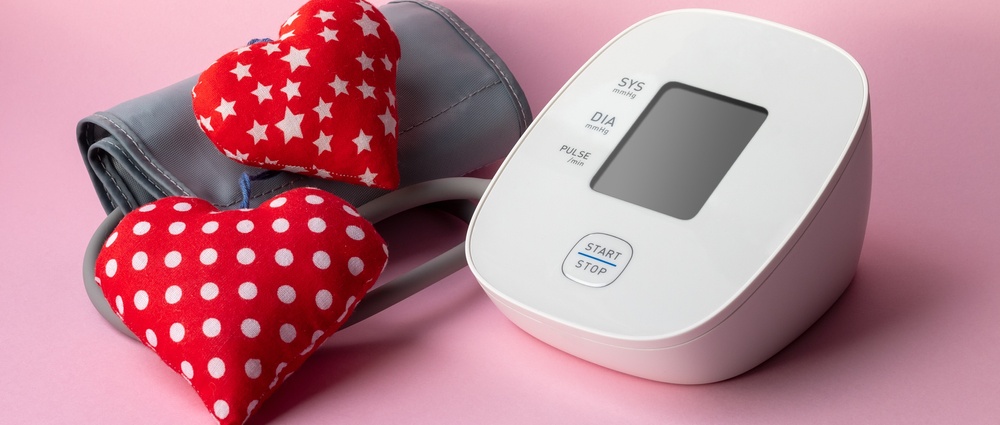
How to lower your blood pressure
Peer reviewed by Dr Colin Tidy, MRCGPLast updated by Lynn StephenLast updated 22 Jan 2026
Meets Patient’s editorial guidelines
- DownloadDownload
- Share
- Language
- Discussion
- Audio Version
- Add to preferred sources on Google
More than 1 in 4 adults have high blood pressure (hypertension), a condition that can lead to kidney damage, stroke, and heart disease. It's important to get your blood pressure checked regularly. But if you've already been told yours is in the high region, these lifestyle tips can help you reduce it.
Sponsored
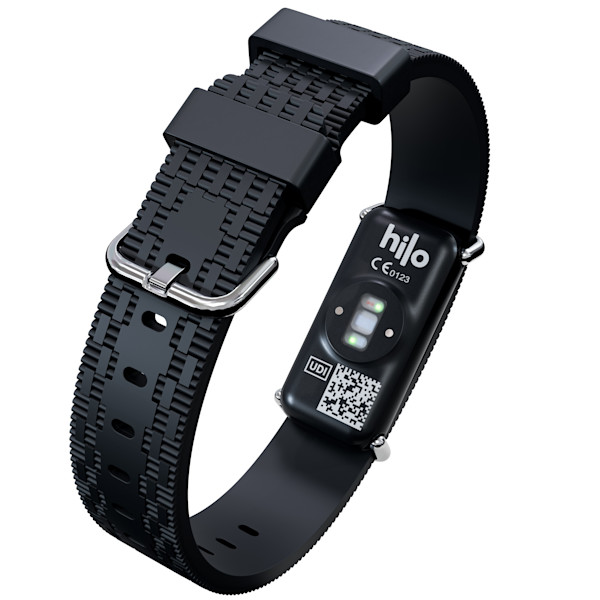
Patient recommends... Hilo
Track your blood pressure continuously, day and night - without an inflatable cuff. Traditional cuffs capture just one moment, if you remember to use them. Hilo takes about 25 readings a day, revealing how stress, meals, and activity affect your blood pressure so you can make informed choices for your wellbeing.
› Shop now
Why is high blood pressure dangerous?
More than 1 in 4 adults have high blood pressure but you may not know as it is often symptomless.
High blood pressure is dangerous because it increases the chance of heart disease, heart attack, strokes, kidney disease, and vascular dementia.
Checking your numbers - which can be done at home with your own monitor, at some pharmacies, or as part of a consultation with your doctor - is the only way to know if it's in the healthy range.
GP Dr Jeff Foster explains that healthy blood pressure is desirable as it is the single most important modifiable risk factor in our lives.
He says: "Prolonged high blood pressure causes damage to the inner lining of your arteries which then allows plaques to form, furring up vessels and causing blockages. This is how people have heart attacks and strokes.
"High blood pressure can also weaken your arteries increasing the likelihood of rupture. If this occurs in the brain, it can lead to a haemorrhagic stroke.”
Although high blood pressure is usually unnoticed in everyday health, Foster reveals erectile dysfunction (ED) can be a sign of hypertension.
"Once men have erectile dysfunction that is caused by damage to the arteries, it's estimated that within three years there is a significant chance of heart or stroke issues," he explains.
"It's a warning sign."
For this reason, men with ED should consult their doctor for an overall health check.
What is healthy blood pressure?
A blood pressure reading consists of two figures. The higher number - called the systolic level - is a measure of the pressure inside your arteries when your heart is pumping blood out. While the lower figure -the diastolic level - measures the pressure inside your arteries when your heart rests between beats.
Defining what is 'healthy' is far harder than you might imagine.
For pretty much everyone, a blood pressure between 90/60 and 120/80 is healthy.
If your blood pressure is consistently above 140/90 in the GP surgery, you will be defined as having high blood pressure. However, it's extremely common to have individual readings above this level even if you have healthy blood pressure - it's only consistently high blood pressure that counts.
And to make matters more complicated still, if you have a 24-hour blood pressure reading with a monitor from your doctor, or if you're looking at your average readings at home, an average above 135/85 counts as high.
For many people, a blood pressure consistently between 120/80 and 140/90 isn't a cause for concern. However, for some people, this is a sign that they are susceptible to developing high blood pressure.
How to lower blood pressure naturally
If you have high blood pressure, or yours is heading in that direction, read on for tips for lowering it naturally. But if you are already on medicine for the condition, don't stop taking it without speaking with your doctor first.
Foster says: "We'd check someone's blood pressure after three to six months of lifestyle changes, to monitor any change."
Watch the salt
Foster says that we only need the tiniest amount of salt in our diets.
The recommended daily limit is around 5 grams. Much of this is already in food we eat, such as bread, cheese, processed meats, ready meals, and snacks such as crisps. Try to avoid adding salt at the table but add flavour with herbs and spices instead.
Lose weight
Being overweight is a key factor in high blood pressure. Even a small reduction of 10% of your body weight can make a difference.
Skip the nightcap
Alcohol is a key factor in high blood pressure. Staying within the weekly limit of 14 units or fewer will help you maintain healthy blood pressure.
Exercise
Exercise is beneficial for health and especially good for lowering blood pressure if you do it regularly. Even walking briskly for 10 minutes a day will help.
Stop smoking
Smoking causes damage to blood vessels and organs and is another key factor in high blood pressure.
Get your 5 a day
Adding more fibre to your diet in the form of fruit and vegetables will help your blood pressure and also reduce cholesterol. Aim for a minimum of five daily portions, and ideally more.
Sleep better
Sleep issues can be detrimental to your health in the long term. There is evidence that lack of sleep or poor sleep quality can contribute to weight gain but also high blood pressure. Lifestyle changes such as reducing alcohol and caffeine in the evenings, and taking exercise can all help sleep quality.
What else can help lower blood pressure?
Foster says that some people are predisposed genetically to high blood pressure. Radical lifestyle changes to weight and diet may help but not always.
Because high blood pressure increases the chances of so many illnesses, it's vital to control it.
Medicine is the next step and, for anyone with very high blood pressure, may be started immediately when they see their doctor.
But a one-off 'high' reading doesn't necessarily mean you have hypertension. If your blood pressure is high when you see your doctor, you may be suffering from 'white coat syndrome'. This is where the stress of having your blood pressure tested causes it to increase temporarily. Doctors understand this so they may take your blood pressure for a second time shortly afterwards.
Other options will include asking you to monitor it at home for a few days or they may supply you with a 24-hour blood pressure monitor. Once there is a clear picture of your blood pressure you may be prescribed drugs to control it.
There is a range of blood pressure medicines available. It's important to remember that these won't make you feel better in the short term, and may cause side-effects. However, they are an insurance policy against you having a catastrophic stroke, so it's very important not to give up on them without a discussion with your doctor.
It's a balance between controlling your blood pressure and reducing unwanted side-effects which can include tiredness, swollen ankles, or cough. If one drug causes side-effects, your doctor may be able to switch you to another. Your age, ethnicity, lifestyle, and any other health issues will be factors when your doctor chooses the right drugs.
Prevention
High blood pressure is not inevitable in older age. Keeping regularly active, being a healthy weight, avoiding smoking, and eating a healthy diet are all factors that will help keep it within the healthy range.
If you buy an approved blood pressure monitor to use at home, Foster suggests using it every six months or so if your blood pressure is usually within the normal range. If you have any concerns, or you are a man experiencing erectile dysfunction, don't be embarrassed but see your doctor for a health check.
Patient picks for Blood pressure
Heart health and blood vessels
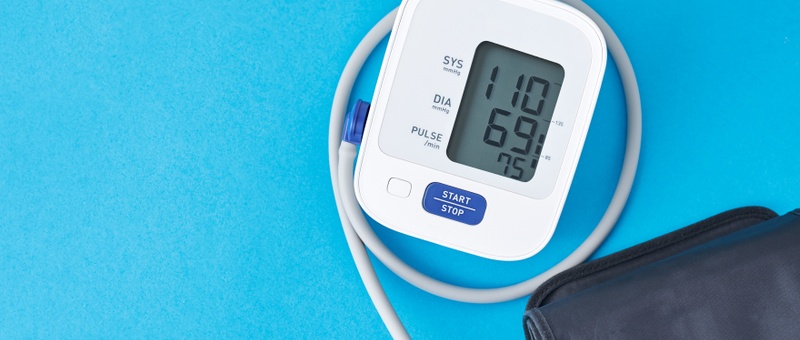
Blood pressure: understanding your readings
According to the British Heart Foundation (BHF), around 3 in 10 people in the UK have high blood pressure. High blood pressure often goes unnoticed, leaving 5 million adults in the UK unaware that they have it. Checking your blood pressure regularly and understanding your results is crucial for early diagnosis and treatment.
by Victoria Raw
Heart health and blood vessels
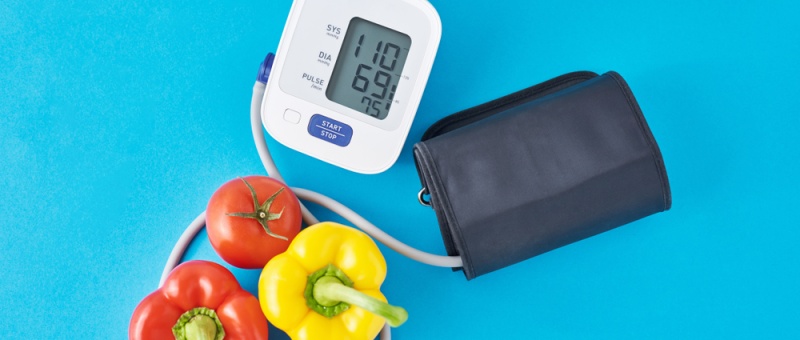
DASH diet - healthy eating that helps lower blood pressure
The DASH diet is a heart-healthy diet that lowers blood pressure and cholesterol. Far from being specialist, this eating plan can benefit many people - whether you're looking to improve poor heart health, manage a related condition, or protect yourself against future health problems.
by Lynn Stephen
Frequently asked questions
What is 'white coat syndrome' and how does it affect blood pressure readings?
White coat syndrome is when your blood pressure temporarily increases due to the stress of having it tested by a doctor. This means a one-off high reading in a clinical setting doesn't necessarily mean you have high blood pressure. Doctors are aware of this phenomenon and may take your blood pressure again, ask you to monitor it at home, or provide a 24-hour monitor to get a more accurate picture.
Can high blood pressure cause erectile dysfunction?
Yes, high blood pressure can cause erectile dysfunction (ED). If ED is caused by damage to the arteries, it can serve as a warning sign, as there's a significant chance of developing heart or stroke issues within three years. Men experiencing ED should consult their doctor for an overall health check.
How often should I check my blood pressure at home if it's usually normal?
If your blood pressure is typically within the normal range, it's suggested to check it with an approved home monitor every six months or so. If you have any concerns, you should see your doctor.
What should I do if blood pressure medication causes side-effects?
If you experience side-effects from blood pressure medication, such as tiredness, swollen ankles, or a cough, you should discuss this with your doctor. They may be able to switch you to a different medication. It's crucial not to stop taking your medication without consulting your doctor first, as these drugs act as an insurance policy against serious events like strokes.
Can high blood pressure be avoided as I get older?
High blood pressure is not inevitable with older age. Maintaining a regularly active lifestyle, keeping a healthy weight, avoiding smoking, and eating a healthy diet are all factors that can help keep your blood pressure within the healthy range as you age.
About the author

Glynis Kozma
About the reviewerView full bio

Dr Colin Tidy, MRCGP
General Practitioner, Medical Author
MBBS, MRCGP, MRCP (Paediatrics), DCH
Dr Colin Tidy is an NHS Doctor, based in Oxfordshire.
Article history
Article also available in English, German, Spanish, French, Italian, Portuguese, Hindi, Hebrew, Arabic, and Swedish.
Next review due: 23 Jan 2029
22 Jan 2026 | Latest version
7 Sept 2018 | Originally published
Authored by:
Glynis Kozma
Join the conversation
Share your thoughts or experiences with others in our patient communities.

Ask, share, connect.
Browse discussions, ask questions, and share experiences across hundreds of health topics.

Feeling unwell?
Assess your symptoms online for free
Sign up to the Patient newsletter
Your weekly dose of clear, trustworthy health advice - written to help you feel informed, confident and in control.
By subscribing you accept our Privacy Policy. You can unsubscribe at any time. We never sell your data.
More in heart health and blood vessels
- 6 workday habits that keep your heart healthy
- Atrial fibrillation explained
- Can stress cause heart attacks?
- Can you die from a broken heart?
- Eat your way to a healthy heart: tasty recipe ideas for every meal
- Having a heart attack when you're young
- Healthy Hanukkah food for your weight, heart and diabetes
- Heart and blood videos
- How healthy is your heart?
- How to manage stress when living with cardiomyopathy
- How to prevent varicose veins
- How to protect your heart during the winter
- How to reduce your risk of stroke?
- Plant-based proteins could help prevent high blood pressure
- The importance of learning CPR
- The warning signs of a heart attack in women
- This is what cold weather does to your heart
- What is Chronic Venous Insufficiency?
- What's causing your cold hands and feet?
- What's the link between menopause and cholesterol?