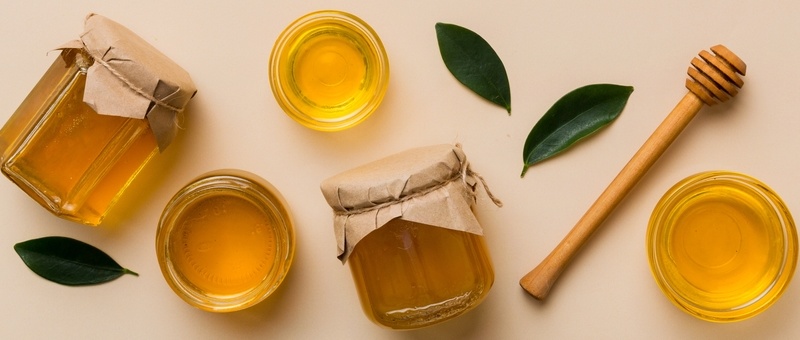
La miel puede ser el impulso natural que necesitas para energizar tus entrenamientos
Escrito por Stephen KhanPublicado originalmente 9 jun 2026
Cumple con las directrices editoriales
- DescargarDescargar
- Compartir
- Language
- Discusión
- Versión en audio
- Agregar a fuentes preferidas en Google
La miel ha sido utilizada por los humanos como un edulcorante natural y fuente de energía para mantener el trabajo y el rendimiento físico durante miles de años. Recientemente, ha resurgido como una opción natural para alimentar el ejercicio, con algunos usuarios de redes sociales afirmando que es lo perfecto para comer antes de un entrenamiento si necesitas un impulso de energía.
Curiosamente, Sebastian Sawe, el primer hombre en correr un maratón en menos de dos horas, se alimentó antes de la carrera con pan y miel.
Research actually does suggest honey can work comparably to commercial products such as energy drinks and gels. But where it may be most beneficial is when it’s used as a recovery tool.
Miel y energía
Honey is primarily made up of carbohydrates - more specifically, glucose and fructose, which are simple sugars. These carbs provide a rapid and accessible source of energy, which is particularly useful during exercise when your body needs fuel quickly.
Nuestro cuerpo almacena carbohidratos en forma de glucógeno en los músculos y el hígado. Estas reservas se agotan durante el ejercicio de intensidad moderada a alta, especialmente durante periodos prolongados de actividad física que duran más de 60 minutos. Cuando disminuyen los niveles de glucógeno, aumenta la fatiga y el rendimiento empeora.
Consumir carbohidratos antes o durante el ejercicio garantiza que haya energía disponible, lo que nos permite mantener el ejercicio durante más tiempo.
The science behind honey’s role in exercise is therefore straightforward - it supplies fast‑acting energy when needed. However, what is more interesting is that honey contains a natural combination of both glucose and fructose.
These sugars are absorbed through different pathways in the gut, allowing them to be used simultaneously. This increases the amount of carbohydrates absorbed, puts less strain on the gut, and helps sustain the amount of energy being delivered to working muscles during workouts. This may also potentially delay fatigue.
This science is also behind why many sports drinks and energy gels contain multiple carbohydrate sources to maximise fuelling efficiency.
Research has shown that consuming both glucose and fructose together enhances the amount of carbohydrate your body is able to use for energy compared to a single sugar source. Honey therefore represents a natural version of this evidence‑based approach.
In practical terms, one generous tablespoon of honey provides around 20 grams of carbohydrate. This is comparable to the amount of carbs found in a commercial energy gel.
Consumir aproximadamente 1 o 1,5 cucharadas de miel antes de entrenar puede reponer las reservas de glucógeno, especialmente en el hígado. Esto puede ser importante si entrena por la mañana, cuando las reservas de glucógeno hepático son menores debido al ayuno nocturno.
La miel y el rendimiento deportivo
But while honey can help provide your body with the energy it needs during a workout, whether honey actually boosts performance is less certain.
Investigaciones anteriores concluyeron que consumir miel en una bebida antes y durante 75 minutos de entrenamiento de fútbol —un total de unas cuatro cucharadas colmadas por participante— no mejoró el rendimiento.
También se probó una bebida deportiva comercial que contenía la misma cantidad de carbohidratos. Ni la bebida deportiva ni la miel demostraron ofrecer beneficios para el rendimiento frente al placebo (solo agua), lo que demuestra que ninguna de las dos bebidas con carbohidratos tuvo efecto.
However, other studies have shown that honey does perform similarly to other carbohydrate sources and may improve performance.
Por ejemplo, en un estudio se administraron 15 gramos de miel a ciclistas cada 16 kilómetros durante una contrarreloj de 64 kilómetros. Los ciclistas produjeron más potencia en los últimos 16 kilómetros que quienes recibieron un placebo.
Además, un estudio reciente en ciclistas entrenados a quienes se les administraron 90 gramos de miel por hora durante tres horas de ciclismo encontró que su rendimiento fue comparable al de los geles deportivos tradicionales.
Así que, aunque la miel quizá no mejore su rendimiento más que otros tipos de carbohidratos, puede funcionar igual de bien.
Beneficios adicionales
Donde la miel realmente destaca es en su papel en la recuperación. Las investigaciones han demostrado que consumir una bebida a base de miel después de hacer ejercicio ayuda a mantener niveles más altos de glucosa en sangre, lo que puede influir en el rendimiento posterior, especialmente cuando el cuerpo está sometido a un estrés adicional, como cuando hace calor.
In one study, ten recreational runners performed two one-hour runs in the heat, with a two-hour rest in between. After the first run, they were given a drink containing honey. The researchers found that the runners were able to run around 10% further in the second trial after consuming honey than they had run during the first trial.
This suggests that honey may be particularly effective at restoring energy between bouts of exercise. As honey contains both glucose and fructose, this can help replenish your body’s energy stores quickly.
Beyond its carbohydrate content, honey also contains small amounts of vitamins, minerals, amino acids and important plant compounds such as flavonoids and phenolic acids. These compounds may have antioxidant, antimicrobial and potentially antiviral effects, which may be particularly beneficial for athletes during stressful training periods.
Sin embargo, no todas las mieles son iguales. Su sabor, textura, composición de azúcares y contenido varían según factores como el origen floral, el clima y los métodos de procesamiento. Por ejemplo, la miel malaya y la de Manuka contienen niveles más altos de compuestos antibacterianos y antiinflamatorios, que podrían favorecer mejor la recuperación y la función inmunitaria.
Algunas investigaciones también indican que ciertos tipos de miel pueden influir en las vías de señalización inflamatoria y ayudar potencialmente a regular la respuesta. Esto significa que la miel podría reducir el dolor muscular y mejorar la recuperación, ofreciendo algo más que una fuente de energía.
Sin embargo, actualmente hay pocas pruebas que indiquen que un tipo de miel sea significativamente superior a otro como fuente de energía para hacer ejercicio.
Según la evidencia actual, la miel parece ser comparable a otros productos deportivos, como los geles energéticos. Esto convierte a la miel en una alternativa natural, eficaz y de bajo costo a los combustibles deportivos comerciales para los atletas.
This article is republished from The Conversation under a Creative Commons license. Read the artículo original.
Selecciones del paciente para Nutrición

Dieta y nutrición
¿Son buenas las semillas de calabaza para ti?
Las semillas de calabaza no son solo para Halloween. Aunque puedan recordarte a tallar linternas de calabaza en otoño, muchas personas las disfrutan durante todo el año por sus beneficios para la salud. Echemos un vistazo más de cerca a lo que las semillas de calabaza tienen para ofrecer y veamos si merecen un lugar permanente en tu dieta.
por Victoria Raw

Dieta y nutrición
Descubriendo los beneficios ocultos para la salud del yogur
Hay muchos tipos y marcas de yogur disponibles en los supermercados de todo el mundo. Desde bajo en grasa hasta completo en grasa, con sabor a frutas, cada uno promueve una gama de características únicas y beneficios para la salud. Este artículo explora los aspectos saludables del yogur y cómo identificar las opciones no tan saludables.
por Victoria Raw
Preguntas frecuentes
¿Cuál es la cantidad recomendada de miel para consumir antes de entrenar?
Consumir aproximadamente de 1 a 1.5 cucharadas de miel antes de hacer ejercicio puede ayudar a reponer las reservas de glucógeno, especialmente el glucógeno hepático, que puede estar más bajo si entrenas por la mañana después de un ayuno nocturno.
¿Cómo se compara la miel con los productos deportivos comerciales como los geles energéticos?
La investigación sugiere que la miel puede ser comparable a los productos deportivos comerciales, como las bebidas energéticas y los geles, en proporcionar energía durante el ejercicio. A menudo se considera una alternativa natural, efectiva y de bajo costo a estos combustibles comerciales.
¿Importa el tipo de miel para los beneficios del ejercicio?
Aunque las diferentes mieles varían en sabor, textura y composición debido a factores como la fuente floral y el clima, actualmente hay poca evidencia que sugiera que un tipo de miel sea significativamente superior a otro específicamente como combustible para el ejercicio. Sin embargo, algunos tipos como la miel de Malasia y la miel de Manuka son conocidas por sus niveles más altos de compuestos antibacterianos y antiinflamatorios, lo que puede ofrecer apoyo adicional para la recuperación y el sistema inmunológico.
¿Puede la miel ayudar a reducir el dolor muscular después de un entrenamiento?
Algunas investigaciones indican que ciertos tipos de miel pueden influir en las vías de señalización inflamatoria. Esto podría ayudar a regular la respuesta del cuerpo al ejercicio, lo que podría llevar a una reducción del dolor muscular y una mejora en la recuperación general, ofreciendo beneficios más allá de solo proporcionar energía.
Además de los carbohidratos, ¿qué otros componentes beneficiosos se encuentran en la miel?
Más allá de su contenido de carbohidratos, la miel contiene pequeñas cantidades de vitaminas, minerales, aminoácidos y compuestos vegetales importantes como flavonoides y ácidos fenólicos. Estos compuestos pueden poseer efectos antioxidantes, antimicrobianos y potencialmente antivirales, lo cual podría ser particularmente ventajoso para los atletas durante períodos de entrenamiento exigentes.
Sobre el autorVer biografía completa
Escrito por

Stephen Khan
Redactor jefe, The Conversation
Stephen es director ejecutivo global y cofundador de The Conversation, una organización de noticias sin ánimo de lucro. Periodista y líder de medios con amplia experiencia, está especializado en redacción de noticias y periodismo digital, y ha ocupado puestos editoriales de alto nivel en The Guardian, The Independent y The Observer.
Únete a la conversación
Comparte tus pensamientos o experiencias con otros en nuestro comunidades de pacientes.

Pregunta, comparte, conecta.
Navega por discusiones, haz preguntas y comparte experiencias en cientos de temas de salud.

¿Te sientes mal?
Evalúa tus síntomas en línea de forma gratuita
Suscríbete al boletín de Patient
Tu dosis semanal de consejos de salud claros y confiables, escritos para ayudarte a sentirte informado, seguro y en control.
Al suscribirte aceptas nuestros Política de Privacidad. Puedes darte de baja en cualquier momento. Nunca vendemos tus datos.