
Pruebas de anticuerpos COVID-19: ¿cómo funcionan y quién puede hacerse la prueba?
Revisado por Dra. Sarah JarvisEscrito por Milly EvansPublicado originalmente 5 Jun 2020
Cumple con las directrices editoriales
- DescargarDescargar
- Compartir
- Language
- Discusión
- Ask Patient
- Versión en audio
- Agregar a fuentes preferidas en Google
Testing is key to bringing the UK out of the pandemic and out of lockdown. As an antibody test is finally approved by Public Health England and made available for NHS and care home staff, some NHS patients and private booking, what do you need to know about it?
Selecciones de videos para Vacunación, pruebas y tratamientoBiblioteca de videos
Usar del Paciente herramienta de verificación de coronavirus if you have any symptoms of fever, a new cough or loss of smell or taste. Until you have used the tool and been advised what action to take, please stay at home and avoid contact with other people.
What is antibody testing?
There are two types of test for coronavirus:
A swab test to find out whether you currently have coronavirus.
An antibody blood test to find out whether you have previously had coronavirus and may have some degree of immunity.
Swab testing on the NHS
The standard swab test for current infection available on the NHS is a PCR test. If you have symptoms of coronavirus, you and anyone you live with should autoaislarte and you should book a test as soon as possible via the sitio web del NHS.
Priority PCR swab testing through GOV.UK is available to people with symptoms if they:
Are an essential worker (across the UK).
Are over 5 years old and live with an essential worker (across the UK).
Are under 5 years old and live with an essential worker (England and Wales only) - this test needs to be carried out by a parent or guardian.
Swab testing for others
If you don't qualify for NHS testing, you can also get a test privately. Many people have been required to get a negative test before travelling or attending work events, for instance. These are widely available through pharmacies, and very soon you'll be able to book a private test directly on Patient Access.
It's very important that you should reportado book a private swab test if you have symptoms of possible COVID-19 infection - NHS test centres are fully equipped with infection control measures which are not available in pharmacies.
Mass testing for whole populations started with a pilot in Liverpool in October, and has been largely credited with reducing rates in the city enough for them to move from tier 3 (very high) to tier 2 (high) restrictions. The tests used for population testing, and for care home testing (currently being rolled out to allow families to visit their loved ones safely), are rapid access tests which provide a result in 15-30 minutes. Private rapid access tests will also become available shortly via Acceso del Paciente.
Antibody testing
The antibody test involves a blood test to find out if someone has antibodies which indicate that they have had COVID-19 in the past. When the body becomes infected, it produces antibodies to fight the infection. Therefore, if the antibodies are present in the blood, it indicates that an individual has had COVID-19.
Antibody testing is important as it tells us how many people have had COVID-19. Not everyone who has had symptoms has been tested and not everyone who has had coronavirus has had síntomas.
Some have also suggested that those who have had the virus, who may have some immunity, should have 'immunity passports' and be allowed to go back to work.
The World Health Organization has already advised against doing so as there is a lack of evidence that these would be beneficial, and could do more harm than good. There are also important question marks over what having antibodies means, which we discuss later in this article.
How does the antibody test work?
Initially, the antibody test was planned to be a pregnancy-style home test kit using a drop of blood on a stick (rather than urine on a stick). However, none of the early tests of this type proved to be accurate enough.
As a result, the tests routinely used by Public Health England (PHE) do not work like this. Instead they involve blood being taken by a healthcare professional such as a pharmacist, phlebotomist, nurse or doctor and sent to a lab to be tested.
Lab-based tests
The only antibody tests currently approved by PHE are the Abbott, DiaSorin, Roche and Siemens tests. In people who had been infected by coronavirus, these tests were found to give an accurate result 100% of the time. In people who hadn't been infected, the results were accurate more than 99.7% of the time. This means that if 1,000 healthy people were tested, only two would be told that they had had coronavirus when they hadn't. This is far lower than with previous tests.
Pruebas de acceso rápido
Previously there was a whole host of problems when it came to antibody testing. Early on in the pandemic, the UK government spent a reported £16 million on millions of tests which all later failed to meet accuracy criteria when they were tested in UK laboratories.
However, testing has moved on and researchers have needed to find a way to test large populations to track the pandemic. By far the biggest population study is the REACT study, commissioned by the Department of Health and Social Care (DHSC) and led by Imperial College Healthcare NHS Trust. The tests being used by them are rapid access tests from Fortress Diagnostics. This test has a specificity of over 98% - in other words, if the test tells you that you have antibodies, there's a 98% chance that these come from having had a COVID-19 infection. The UK Medicines and Healthcare products Regulatory Agency (MHRA) recommends 98% specificity as the minimum level for use of a test.
Can I get a test?
Antibody testing is not yet available through the NHS in the same way as PCR swab testing. Currently, the only people routinely able to access antibody tests are those taking part in clinical trials.
If you aren't eligible for antibody testing on the NHS but want to know if you've had COVID-19 infection, you can book an antibody test online with a pharmacist at a time that suits you through Acceso del Paciente.
What does it mean if you test positive?
Within a couple of days of taking the test, you'll be notified of your results. There are three possible results after taking an antibody test: positive, negative or indeterminate (borderline).
Immune or not?
A positive result means that COVID-19 antibodies have been found in your blood, which indicates that you have previously been infected by coronavirus. This does not mean that you are immune to coronavirus.
Scientists still don't know just how much immunity you gain from a COVID-19 infection so even if you test positive, it's possible that you could be infected a second time or carry the virus to infect others. You still need to follow the distanciamiento social y hygiene measures set out by the government, even if you've previously had the virus.
Temporary protection?
It is also important to realise that even if doctors do discover in future that having antibodies confers immunity, it is not known how long this immunity lasts for. Immunity to other forms of coronavirus appears to wane quickly. In one study involving a coronavirus which causes the common cold, some people exposed to the virus a year after developing antibodies were re-infected, although none developed symptoms of a cold.
Not positive
If the test gives you a negative result, it means that you don't have the antibodies to indicate that you have had coronavirus so you haven't had COVID-19.
You can also have an indeterminate result, meaning that the test can't confirm either a positive or negative result. You may be asked to take the test again in a couple of weeks' time.
Whatever your result, it's equally important that you behave sensibly, follow the official guidelines and protect yourself and others from the virus just as you would have before the test.
Selecciones del paciente para Vacunación, pruebas y tratamiento
COVID-19
Los tratamientos más recientes para COVID-19
Mientras Inglaterra continúa con su segundo confinamiento por coronavirus y los números de infecciones en todo el mundo están aumentando, los investigadores están trabajando incansablemente para encontrar el mejor tratamiento para el COVID-19. Actualmente, hay cientos de tratamientos en fase de prueba con el objetivo de frenar la propagación del virus y salvar vidas.
por Andrea Downey
COVID-19
¿Qué es la prueba de anticuerpos de COVID-19 y debería hacerme una?
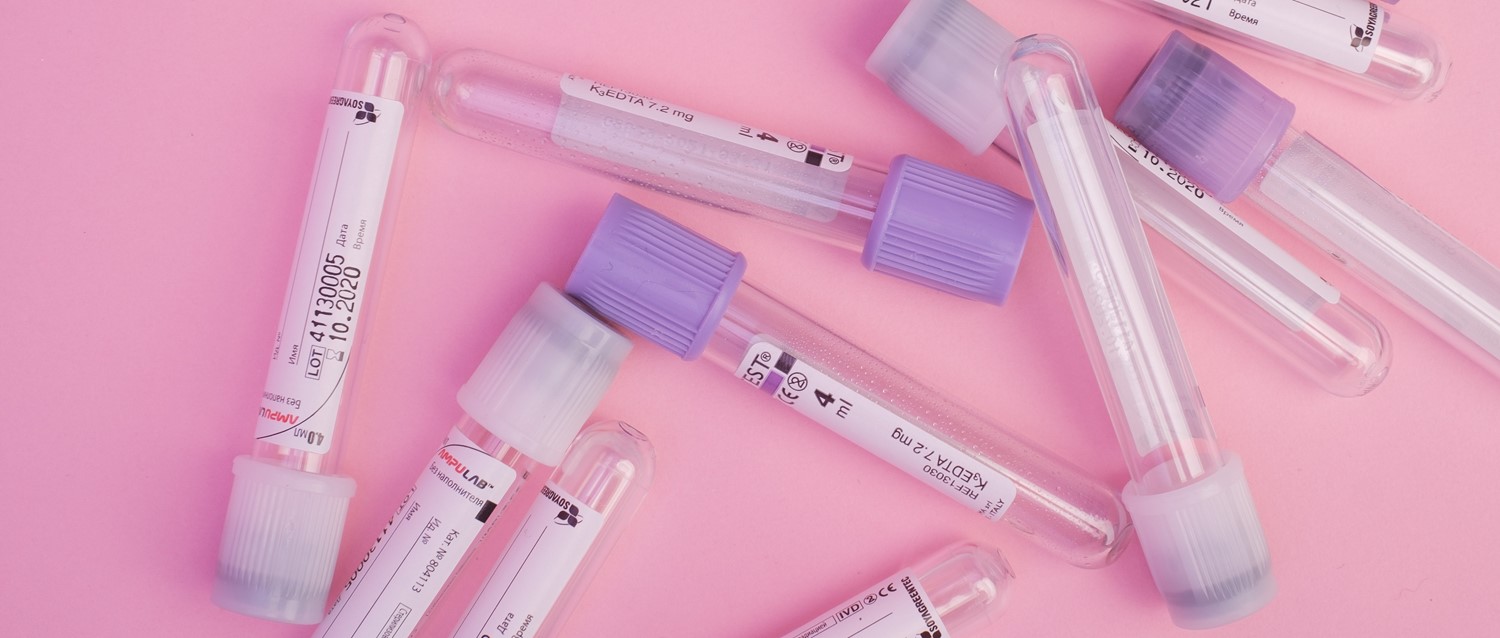
La prueba de anticuerpos de COVID-19 en sangre se puede utilizar para medir el nivel de anticuerpos que tu sistema inmunológico ha producido contra el COVID-19, ya sea en respuesta a la infección o a la vacuna. Esto puede darte tranquilidad, y ahora se puede realizar desde la seguridad y comodidad de tu hogar. Sin embargo, es importante recordar que los kits de prueba de anticuerpos no te darán una imagen completa de tu inmunidad contra el COVID-19.
por Amberley Davis
Sobre el autorVer biografía completa
Escrito por

Milly Evans
Editor
Milly escribe sobre una variedad de temas de salud, con un interés particular en la desigualdad en salud y la salud sexual.
Acerca del revisorVer biografía completa

Dra. Sarah Jarvis
Consultora Clínica
MA (Cantab), BM, BCh (Oxon), DRCOG, FRCGP, MBE
Después de formarse en medicina en Cambridge y Oxford, la Dra. Sarah Jarvis MBE se convirtió en médica general.
Historial del artículo
Artículo también disponible en Inglés, Alemán, Español, Francés, Italiano, Portugués, Hindi, Hebreo, Árabe, y Sueco.
5 Jun 2020 | Publicado originalmente
Escrito por:
Milly EvansRevisado por
Dra. Sarah Jarvis
Comparte tus pensamientos o experiencias con otros en nuestro comunidades de pacientes.
Suscríbete al boletín de Patient
Tu dosis semanal de consejos de salud claros y confiables, escritos para ayudarte a sentirte informado, seguro y en control.
Al suscribirte aceptas nuestros Política de Privacidad. Puedes darte de baja en cualquier momento. Nunca vendemos tus datos.