
Demencia de inicio temprano: lo que necesita saber
Revisado por Dr Colin Tidy, MRCGPEscrito por Victoria RawPublicado originalmente 25 Ago 2026
Cumple con las directrices editoriales
- DescargarDescargar
- Compartir
- Language
- Discusión
- Versión en audio
- Agregar a fuentes preferidas en Google
Dementia is often seen as something that only affects us during our twilight years. But it can develop much earlier in life. Young-onset dementia refers to dementia diagnosed before the age of 65.
We explore the early signs of young-onset dementia, how it’s identified and treated, and practical ways to manage the condition while maintaining quality of life.
What is young-onset dementia?
Although dementia can occur at any age, young-onset dementia generally refers to cases that develop between the ages of 45 and 65. This is earlier than the age at which your chance of dementia begins to increase, which is currently 65.
More than 70,000 people in the UK are living with young-onset dementia. Suzanne Mumford, Director of Clinical and Dementia Care at KYN, a leading provider of residential and nursing care homes in London, says that around 7% of people with dementia are under 65.
“Young-onset dementia is often diagnosed late as doctors are not looking for dementia,” she explains. “It can take many years to get a diagnosis.
“The diagnosis is usually through a review of medical history, blood tests - to rule out other conditions - memory and thinking tests, a magnetic resonance imaging (MRI) scan, or a lumbar puncture.”
She notes that an early referral to a memory clinic and neurologist is often the most reliable route to a diagnosis.
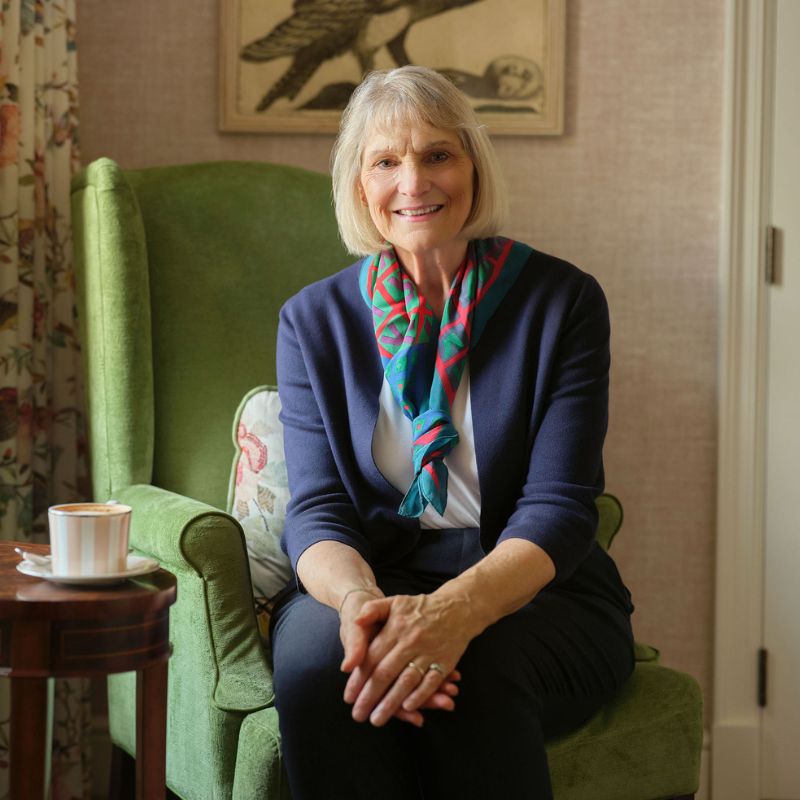
Suzanne Mumford
What are the early signs of young-onset dementia?
Dementia isn’t a single condition in itself. It’s an umbrella term for a range of diseases that affect the brain - each with its own characteristics and symptoms.
This means the signs and symptoms aren’t one-size-fits-all and can vary depending on the type of dementia a person has.
However, Mumford highlights some of the most common symptoms:
Confusión.
Thinking difficulties - such as forming thoughts or processing information.
Problems with language, movement, or vision.
Cambios de humor.
“The symptoms are similar,” she says. “But the impact can be more profound as this group of people are often still working, may have financial commitments, and often have children either still at home or starting out in their careers.”
What types of young-onset dementia are there?
Some forms of young-onset dementia can run in families, with around one in 10 cases thought to be inherited directly from a parent.
Lifestyle factors may also play a role in the development of dementia, depending on the type.
Mumford outlines the two main types:
Young-onset Alzheimer’s dementia - caused by a build-up of proteins in the brain that clump together and damage or destroy nerve cells. Symptoms can include difficulty processing information, finding words, and remembering recent events, as well as issues with sequencing tasks and fine motor skills.
Young-onset vascular dementia - develops when damage to the brain’s blood vessels reduces blood flow to affected areas. It is often associated with conditions and lifestyle factors such as diabetes, obesity, and heart disease.
“As with late-onset dementia, people can have a mixture of young-onset Alzheimer's and vascular dementia,” says Mumford.
Demencia frontotemporal
Frontotemporal dementia (FTD) is less common than other forms of dementia, but it often develops at a younger age, making it particularly relevant to young-onset dementia. It occurs when the frontal and temporal lobes of the brain become damaged - areas involved in behaviour, personality, language, and decision-making.
Mumford explains that around 12% of people with young-onset dementia are diagnosed with FTD.
Los síntomas pueden incluir:
Changes in behaviour - such as inappropriate behaviour, a different sense of humour, impulsivity, or developing obsessions, such as excessive spending or gambling.
Movement difficulties - including stiffness, slowed movement, weakness, twitches, or muscle cramps.
Trouble grasping concepts - such as understanding that money is used to buy things.
Difficulty recognising familiar objects - for example, knowing what a remote control or kettle is used for.
Swallowing difficulties.
Speech and language difficulties - speech may become slurred or hesitant, while finding and using the right words or following conversations may become harder.
Changes in emotions - someone may express their feelings differently or find it harder to understand how others feel.
Reduced motivation - they may lose interest in activities they previously enjoyed or become less able to look after themselves.
Mumford adds that someone with FTD may not always recognise these changes in themselves. If you notice significant changes in a friend or loved one, it’s important to seek advice from a healthcare professional about the appropriate next steps.
How is young-onset dementia treated?
Once a person develops young-onset dementia, there is currently no cure or way to reverse the condition. Treatment instead focuses on managing symptoms and helping the person maintain the best possible quality of life.
Mumford explains that certain medicines can help ease symptoms and, in some cases, slow their progression.
“These include treatments such as donepezil, memantine, galantamine, and rivastigmine,” she says. “There are also some newer medications that have very restricted eligibility criteria that can help to break down the protein plaques that contribute to the damage caused by Alzheimer's disease. These are not currently available on the NHS.”
Can young-onset dementia be prevented?
Though there’s no cure for dementia, evidence suggests that making changes to certain lifestyle factors could help reduce your chance of developing the condition. This includes some forms that affect people under 65.
Mumford says key lifestyle changes include:
Mantenerse activo - aim for at least 150 minutes of moderate exercise each week to support your heart and brain health.
Look after your heart - keep your blood pressure, cholesterol, blood sugar, and weight within a healthy range, avoid smoking, and limit your alcohol intake.
Stay mentally and socially active - keep learning, challenge your brain, maintain social connections, and look after your mental health.
Protect your senses and your head - treat hearing and vision issues, and reduce your chance of head injuries by using seatbelts, helmets, and appropriate protective equipment.
Limit environmental hazards - where possible, reduce long-term exposure to air pollution, which has been linked to a higher chance of dementia.
How can you support someone with young-onset dementia?
If you know, regularly spend time with, or are close to someone with young-onset dementia, several organisations can offer advice and support.
Mumford recommends the following organisations in particular:
The Young Dementia Network - supported by Dementia UK, providing information, resources, and support for people affected by young-onset dementia.
Dementia UK’s Admiral Nursing Service - specialist support for families affected by dementia, including practical and emotional guidance.
Lorenzo’s House - an international organisation supporting families and children affected by a loved one’s dementia.
Selecciones del paciente para Pérdida de memoria y demencia

Cerebro y nervios
7 maneras de ayudar a proteger tu cerebro de la demencia
Según la Sociedad de Alzheimer, más de 980,000 personas en el Reino Unido viven con demencia, una cifra que se espera que aumente a 1.4 millones para 2040. A medida que vivimos más tiempo, nuestra probabilidad de desarrollar esta condición aumenta. Sin embargo, los ajustes en el estilo de vida y llevar una vida saludable pueden ayudar a minimizar su impacto.
por Victoria Raw

Cerebro y nervios
Alimentos para el cerebro: qué comer, cuándo comer, recetas
Una dieta saludable es muy importante para la función cerebral y la salud mental. Descubrimos los mejores alimentos para la salud del cerebro, los mejores momentos para comer y compartimos algunas recetas nutritivas para el cerebro.
por Victoria Raw
Sobre el autorVer biografía completa
Escrito por

Victoria Raw
Redactora de artículos
Licenciatura en Artes (Hons), Literatura Inglesa
Victoria es redactora de contenido en Patient, con intereses especiales que abarcan el bienestar mental, las tendencias sociales y el impacto de la tecnología en nuestra salud.
Acerca del revisorVer biografía completa

Dr Colin Tidy, MRCGP
Médico General, Autor Médico
MBBS, MRCGP, MRCP (Paediatrics), DCH
El Dr. Colin Tidy es un médico del NHS, con sede en Oxfordshire.
Historial del artículo
Artículo también disponible en Inglés, Alemán, Español, Francés, Italiano, Portugués, Hindi, Hebreo, Árabe, y Sueco.
Next review due: 26 Aug 2029
25 Ago 2026 | Publicado originalmente
Escrito por:
Victoria RawRevisado por
Dr Colin Tidy, MRCGP
Únete a la conversación
Comparte tus pensamientos o experiencias con otros en nuestro comunidades de pacientes.

Pregunta, comparte, conecta.
Navega por discusiones, haz preguntas y comparte experiencias en cientos de temas de salud.

¿Te sientes mal?
Evalúa tus síntomas en línea de forma gratuita
Suscríbete al boletín de Patient
Tu dosis semanal de consejos de salud claros y confiables, escritos para ayudarte a sentirte informado, seguro y en control.
Al suscribirte aceptas nuestros Política de Privacidad. Puedes darte de baja en cualquier momento. Nunca vendemos tus datos.