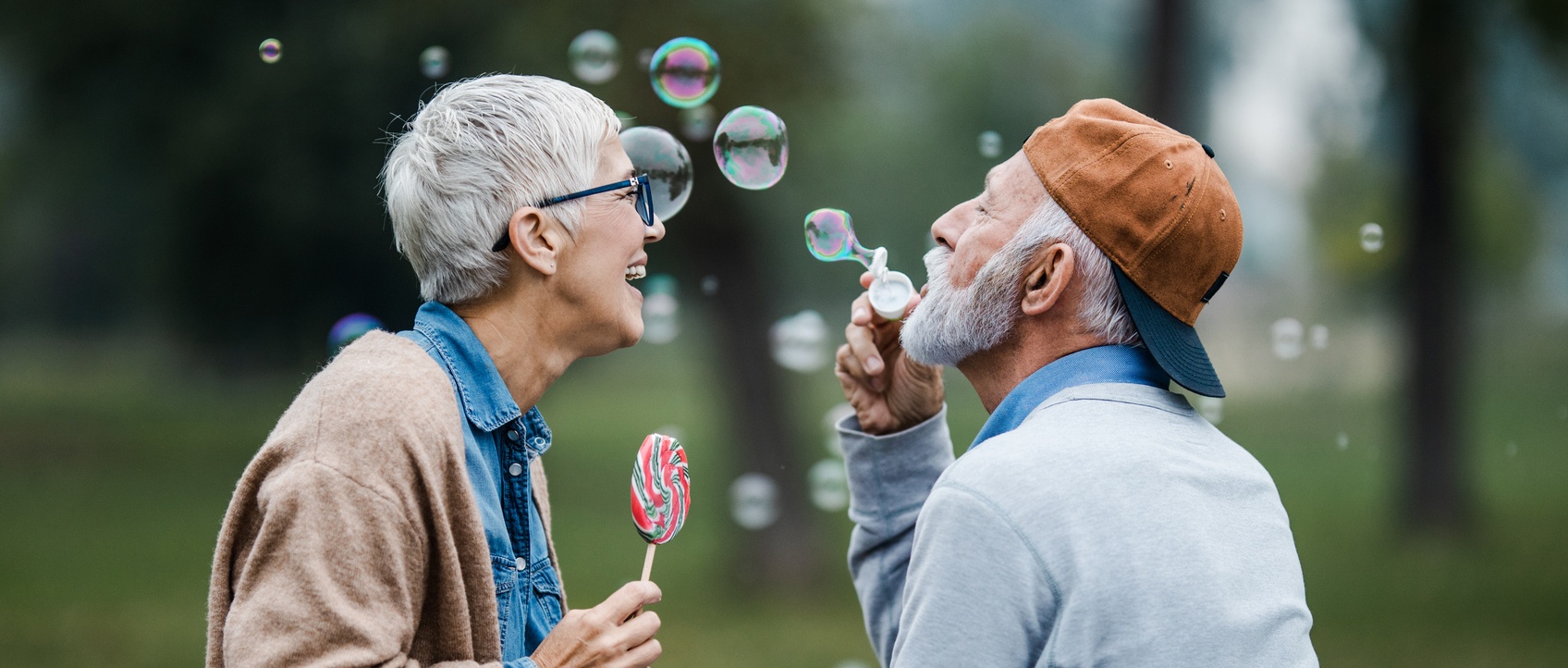
El poder de la nostalgia: ¿qué es la Terapia de Reminiscencia?
Revisado por Dr Doug McKechnie, MRCGPEscrito por Victoria RawPublicado originalmente 1 Oct 2024
Cumple con las directrices editoriales
- DescargarDescargar
- Compartir
- Language
- Discusión
- Ask Patient
- Versión en audio
- Agregar a fuentes preferidas en Google
Un toque de nostalgia puede levantar el ánimo. Pero también puede estimular tu cerebro, además de calentar tu corazón. Las reflexiones positivas sobre el pasado ahora se utilizan como una herramienta terapéutica para personas con demencia. Si un ser querido está enfrentando un deterioro cognitivo, aprende cómo el poder de la terapia de reminiscencia podría impactar positivamente su vida.
Selecciones de videos para Pérdida de memoria y demenciaBiblioteca de videos
What is reminiscence therapy?
Reminiscence therapy (RT) - sometimes called life review therapy - was introduced in 1963 by psychiatrist Robert Butler as a treatment for older adults experiencing dementia or cognitive decline. This process involves group therapy sessions led by a trained professional who uses prompts to draw out and encourage exchanges of positive memories.
It aims to use these thoughts, feelings and past remembrances to improve cognitive function and emotional wellbeing in the present.
Helene Cross, a registered nurse and Clinical Support Specialist at Loveday, London UK, describes RT as a person-centred approach that harnesses memories to stimulate communication and emotional engagement in people with dementia.
How reminiscence therapy works
Some people with conditions such as Alzheimer's disease and dementia may find it difficult to remember experiences from their past. Using various techniques, RT aims to reconnect a person with these forgotten memories, to help reclaim their personal identity. These techniques can include art, music, video, audio clips, soundscapes, objects, smells, and group storytelling.
Virtual reality-reminiscence therapy (VR-RT) is sometimes used alongside more simple reminiscence therapy techniques. This provides personalised VR experiences that digitally recreate immersive settings from the past to evoke memories and emotions.
According to Dr Emer MacSweeney, CEO and Consultant Neuroradiologist at ReCognition Health, London, UK, RT engages long-term memory networks, which often remain intact in people with dementia - even as their short-term memory declines.
"The hippocampus - crucial for memory formation - and the prefrontal cortex - involved in retrieval of memories - are less affected in earlier stages of dementia compared to other brain regions involved in short-term recall," she says. "By activating these areas through sensory cues such as familiar sounds, sights, and smells, RT strengthens the brain’s capacity to access stored memories."
What are the techniques used in reminiscence therapy?
RT suggests that - with the right tools - dormant memories can be revived to help people reconnect with their personal histories, along with their sense of self.
Cross says that these tools are adapted according to different cognitive abilities. People with advanced dementia may benefit from simpler cues, while more complex objects or media are used for those in the early stages, to encourage engagement without frustration.
"It’s important that a personalised approach is taken for each person to get the most out of it," she advises.
Cross suggests the following techniques as being especially effective in RT:
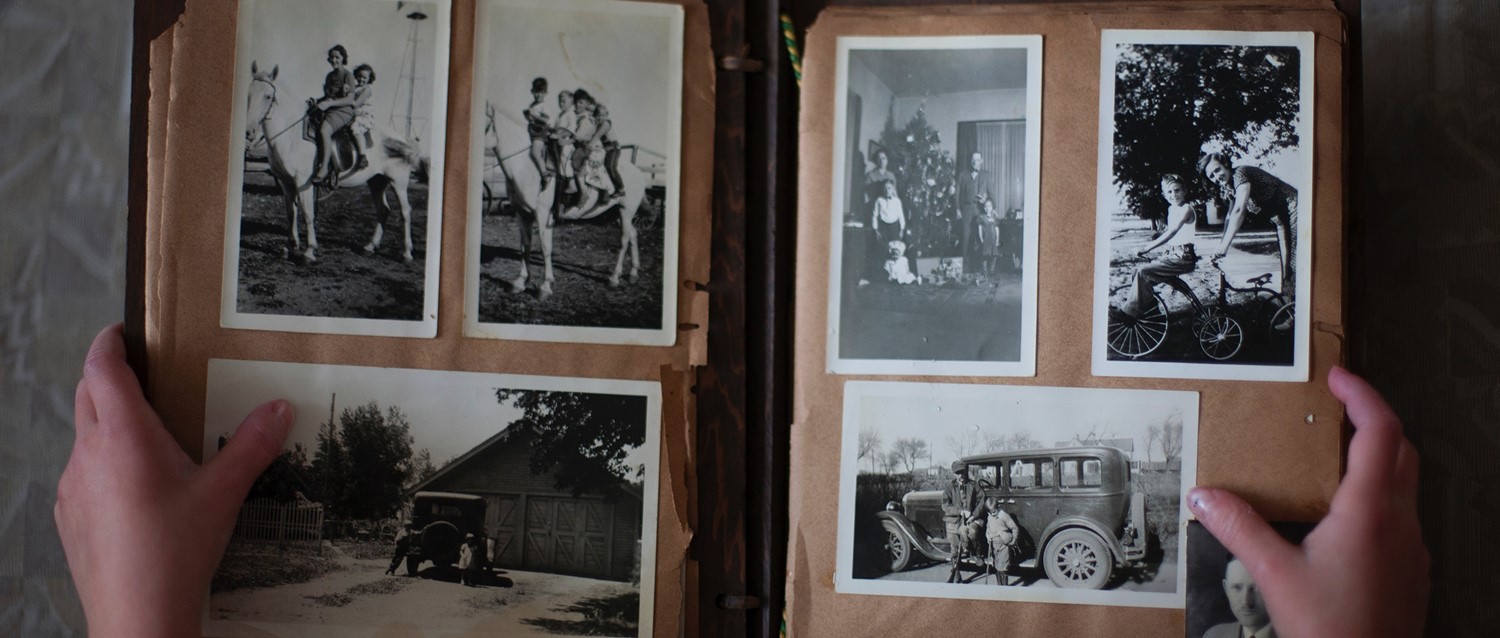
Old family albums - emotional belonging and social engagement.
Playing familiar songs - nostalgia and conversation points.
Smells - baking, planting flowers, spraying perfumes to recall the past.
Pet visits - familiarity, comfort, igniting fond memories.
She adds: "For some people - particularly those with sensitivities or who are in the later stages of dementia - breathing exercises paired with animal interactions have been effective ways in which to calm the mind and body. This multi-sensory approach - combining touch, sight and emotional connection - helps create a relaxed environment that encourages reminiscence.
Memory boxes are another effective tool used in RT to stimulate memories from past experiences. These boxes can include familiar objects and photos which act as talking points and help people recognise their personal living space."
Benefits of reminiscence therapy
While research on reminiscence therapy is limited, studies suggest it can have beneficial effects on the quality of life and psychological wellbeing of dementia patients. It can potentially reduce symptoms such as depression and anxiety, lift mood, enhance communication skills and improve cognitive function.
MacSweeney says this is because emotional brain centres - such as the amygdala - are stimulated during reminiscence, triggering feelings of happiness and nostalgia.
This level of emotional engagement helps to:
Lower stress and anxiety.
Boost mood.
Improve speech.
Stimulate cognitive function.
Encourage social interaction.
Strengthen connection to the present.
"Neuroplasticity - the brain’s ability to reorganise and form new neural connections - may be encouraged through this process," she says. "This could potentially slow the cognitive decline associated with dementia."
Cross adds that RT can also help family members, health professionals, and caregivers better understand people's behaviours and personalities. This could help further improve their overall standard of living.
She says: "Quality of life improvements are often measured using observational assessments of mood, behaviour and engagement levels, alongside their feedback and observations by carers and loved ones."
Reminiscence therapy for dementia
While RT shows promise in reducing some negative effects of dementia, it has its limitations. In advanced dementia - when a person loses the ability to access stored memories - the effects of RT can be weaker.
MacSweeney says: "As the neural circuits responsible for memory deteriorate, the brain's ability to retrieve long-term memories - which RT relies on - diminishes. In advanced dementia, this can make the therapy less effective, or even impossible, as the person loses the capacity to recall memories."
She also explains that while RT is designed to evoke positive memories, some may be distressing or traumatic, and lead to emotional discomfort or increased agitation.
Cross says that negative memories may surface, causing distress, which means some people might struggle to engage meaningfully with RT. To overcome this, she suggests RT should be tailored specifically to the person's life story - focusing on positive memories and using familiar, comfortable objects.
She adds: "A trained therapist can navigate these issues by guiding the sessions sensitively and adjusting techniques as the disease advances."
Reminiscence therapy may be a valuable tool for promoting wellbeing in older adults. However, it should only be conducted by a healthcare professional trained in RT. Because it is considered an alternative type of therapy, it may not be as readily available as more conventional forms. Ask your doctor for recommendations, or contact local care homes for advice on RT therapists organising activities in your area.
Selecciones del paciente para Pérdida de memoria y demencia
Cerebro y nervios
La demencia de inicio temprano está relacionada con la salud y el estilo de vida, así como con la genética
Many of us fear dementia, not to mention developing it while we're young, but little is known about whether we can prevent it. However, a breakthrough study has identified 15 significant factors linked to young-onset dementia, which develops before the age of 65. And many of these are influenced by your health and lifestyle choices. With around 370,000 people developing young-onset dementia each year worldwide, experts believe this research brings us closer to finding ways to prevent, identify, and treat this devastating disease.
por Amberley Davis
Cerebro y nervios
Cómo reducir el riesgo de demencia
La demencia es una condición progresiva que afecta la forma en que funciona el cerebro. Puede causar mala memoria, confusión sobre el tiempo y el lugar, dificultades con el habla, mal juicio y comportamiento inapropiado. Hay varios factores de riesgo que aumentan la probabilidad de que una persona desarrolle demencia. Algunos son más fáciles de abordar que otros. Este artículo tiene como objetivo proporcionarte suficiente información para que puedas luchar de la mejor manera posible contra el desarrollo de esta enfermedad.
por el Dr. Laurence Knott
Sobre el autorVer biografía completa
Escrito por

Victoria Raw
Redactora de artículos
Licenciatura en Artes (Hons), Literatura Inglesa
Victoria es redactora de contenido en Patient, con intereses especiales que abarcan el bienestar mental, las tendencias sociales y el impacto de la tecnología en nuestra salud.
Acerca del revisorVer biografía completa

Dr Doug McKechnie, MRCGP
Redactor Médico
MA, MBBS, MSc, DRCOG, MRCP(UK), MRCGP(2021), FHEA
El Dr. Doug McKechnie es un médico de cabecera del NHS que trabaja en Londres. Trabaja a tiempo completo en la práctica clínica y también es el Subdirector del módulo de Práctica Clínica y Profesional en la Escuela de Medicina del University College London.
Historial del artículo
Artículo también disponible en Inglés, Alemán, Español, Francés, Italiano, Portugués, Hindi, Hebreo, Árabe, y Sueco.
Next review due: 3 Oct 2027
1 Oct 2024 | Publicado originalmente
Escrito por:
Victoria RawRevisado por
Dr Doug McKechnie, MRCGP
Comparte tus pensamientos o experiencias con otros en nuestro comunidades de pacientes.
Suscríbete al boletín de Patient
Tu dosis semanal de consejos de salud claros y confiables, escritos para ayudarte a sentirte informado, seguro y en control.
Al suscribirte aceptas nuestros Política de Privacidad. Puedes darte de baja en cualquier momento. Nunca vendemos tus datos.