What is red light therapy? Benefits and risks
Peer reviewed by Dr Colin Tidy, MRCGPAuthored by Josh AldermanOriginally published 21 Jan 2026
Meets Patient’s editorial guidelines
- DownloadDownload
- Share
- Language
- Discussion
- Audio Version
Red light therapy is growing in popularity as a non-invasive treatment for a range of health and cosmetic concerns. Promoted for everything from skin rejuvenation to pain relief, this therapy is now widely available in clinics and even at home. But what is red light therapy, how does it work, and is it safe?
In this article:
Video picks for Therapy
Continue reading below
What is red light therapy?
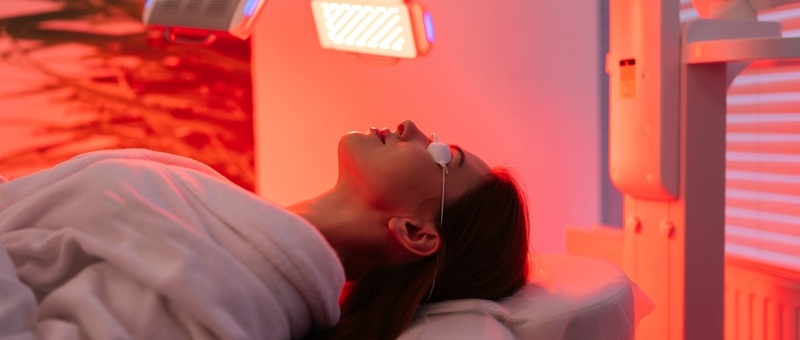
Red light therapy (RLT) is a treatment that uses low-level wavelengths of red or near-infrared light to stimulate cells in the body. Also known as low-level laser therapy (LLLT) or photobiomodulation (PMB), it is used to support skin healing, reduce inflammation, and improve circulation.
The treatment involves exposing your skin to a lamp or device that emits red light. Unlike ultraviolet (UV) rays, red light does not cause burns or tanning, and it penetrates the skin without causing damage.
How does red light therapy work?
Back to contentsRed light therapy is thought to work by stimulating mitochondria, the energy-producing parts of our cells. When cells absorb red and near-infrared light, mitochondrial function may improve, allowing cells to repair and regenerate more efficiently.
This cellular activity can trigger various biological processes, such as increased blood flow and the release of anti-inflammatory compounds. These responses may help explain some of the reported benefits of red light therapy.
Continue reading below
Benefits of red light therapy
Back to contentsResearch into red light therapy is ongoing, but some early studies suggest it may offer a range of benefits.
These include:
Skin health - RLT is commonly used in dermatology for reducing fine lines, wrinkles, and acne. It may help boost collagen production and improve skin texture.1
Wound healing - some evidence suggests red light therapy can speed up wound healing and reduce scarring.2
Pain relief - RLT may help ease muscle and joint pain by reducing inflammation and promoting circulation.3
Hair growth - it has been explored as a treatment for hair loss conditions such as androgenetic alopecia.4
Mental health - there is some interest in red light therapy as a possible treatment for seasonal affective disorder (SAD), although more research is needed.5
Who should not use red light therapy?
Back to contentsGenerally, red light therapy is considered safe for most people when used correctly. Side effects are rare and typically mild, such as temporary redness or irritation at the treatment site. However, it’s not suitable for everyone, and certain groups should be cautious.
These groups include:
Pregnant or breastfeeding people - safety during pregnancy or breastfeeding hasn’t been fully studied.
People with active cancer - RLT may not be safe for existing cancerous tissue. Consult your doctor first.
Those taking photosensitising medicines - for example, some antibiotics, acne treatments, chemotherapy can make your skin more sensitive to light.
People with eye conditions or light sensitivity - use protective eyewear to avoid irritation or damage.
People with epilepsy - flashing or pulsing lights may trigger seizures in photosensitive people.
People with open wounds or severe skin conditions - RLT may worsen some skin issues. Seek medical advice first.
Can you use red light therapy while pregnant?
There is limited evidence on the safety of red light therapy during pregnancy. While the treatment is non-invasive and doesn’t use radiation, it’s best to avoid use during pregnancy unless advised by a healthcare professional.
Can red light therapy cause cancer?
There is no evidence that red light therapy causes cancer. In fact, it uses non-ionising light that does not damage DNA.6 However, more research is needed on long-term use, especially in people with a history of skin cancer.
Is it safe for cancer patients?
Red light therapy is not typically used to treat cancer itself, but it may be used in supportive care to relieve side effects such as oral mucositis - a common side effect of chemotherapy. People with cancer should consult their doctor before starting any form of light therapy.
Is red light therapy bad for your eyes?
Direct exposure to red light is not generally harmful, but eye protection is often recommended during treatment, especially when using high-powered devices. Prolonged exposure to intense light can cause discomfort or irritation.
Continue reading below
Where can you get red light therapy?
Back to contentsRed light therapy is available in a variety of settings:
Clinics and spas - many dermatology clinics and wellness centres offer red light therapy as part of aesthetic or therapeutic treatments.
GP or specialist referral - in some cases, red light therapy may be recommended for specific medical conditions such as chronic wounds.
Red light therapy at home - a growing number of people are using red light therapy devices at home. These include LED panels, handheld devices, and facial masks. While home use can be convenient, it’s important to use devices safely and follow manufacturer instructions.
When choosing a home device, look for products that meet UK safety standards and have clear guidance on usage and eye protection.
Can you get red light therapy if you talk to your GP?
Red light therapy is not commonly offered through NHS GPs as a standard treatment, but your GP can help guide you depending on your condition.
Here's how it typically works:
For medical conditions - for example, chronic wounds, oral mucositis, joint pain - your GP might refer you to a specialist. This could include a dermatologist, physiotherapist, or pain clinic who may consider red light therapy as part of your treatment plan, especially in hospital or clinical settings.
For cosmetic or wellness uses - for example, anti-ageing, acne, hair loss - red light therapy is usually accessed privately. In this case, your GP won’t prescribe it but can still offer advice on whether it’s safe for you based on your health history.
So, while you may not get red light therapy directly through your GP, speaking to them can be a useful first step - especially if you have underlying health conditions or are considering at-home devices.
Summary
Back to contentsRed light therapy is a non-invasive treatment that uses low-level red and near-infrared light to support skin health, ease pain, and promote healing. While early research is encouraging, many of its claims still need stronger evidence.
For most people, red light therapy is considered safe, especially when used as directed. However, it’s not suitable for everyone, and those who are pregnant, have cancer, or have eye conditions should seek medical advice before starting treatment.
Whether you try red light therapy at a clinic or opt for red light therapy at home, it’s important to manage expectations and approach the treatment as part of a broader health plan - not a miracle cure.
Patient picks for Therapy

Treatment and medication
Are facial workouts good for sleep, speech and oral health?
Myofunctional therapy is like a workout for your face and mouth. It's said it can help ease conditions such as sleep apnoea, swallowing difficulties and jaw misalignment. We look at what this therapy entails and hear some expert thoughts on whether it works or not.
by Victoria Raw

Treatment and medication
Don't sweat it: 5 sauna health benefits in the hot seat
Sauna bathing is a time-honoured trend that dates back to 2000 BC. Its spiritual, mental, and physical benefits have passed anecdotally through generations - and now, science is beginning to back them up. We turn the heat up on 5 sauna health benefits, and what you need to know.
by Amberley Davis
Further reading and references
- Fan BE, Pasalic L, Hew YY, et al; Red Light Therapy in Thrombosis and Hemostasis. Semin Thromb Hemost. 2025 Oct 29. doi: 10.1055/a-2717-5157.
- Shurrab K, Wael Aoida N; Photobiomodulation therapy for enhanced wound and Scar healing: visual and statistical evaluation. Lasers Med Sci. 2025 Aug 13;40(1):334. doi: 10.1007/s10103-025-04587-5.
- Lourinho I, Sousa T, Jardim R, et al; Effects of low-level laser therapy in adults with rheumatoid arthritis: A systematic review and meta-analysis of controlled trials. PLoS One. 2023 Sep 8;18(9):e0291345. doi: 10.1371/journal.pone.0291345. eCollection 2023.
- B. Chandrashekar et al.; Laser therapies in androgenetic alopecia: Review and clinical experiences. Journal of Cutaneous and Aesthetic Surgery.
- Michał Chról et al.; Exploring the role of phototherapy in the management of Seasonal Affective Disorder. Journal of Education, Health and Sport.
- Max Myakishev-Rempel et al. "A preliminary study of the safety of red light phototherapy of tissues harboring cancer.." Photomedicine and laser surgery, 30 9 (2012): 551-8 . https://doi.org/10.1089/pho.2011.3186.
Continue reading below
Article history
The information on this page is peer reviewed by qualified clinicians.
Next review due: 21 Jan 2029
21 Jan 2026 | Originally published
Authored by:
Josh AldermanPeer reviewed by
Dr Colin Tidy, MRCGP

Ask, share, connect.
Browse discussions, ask questions, and share experiences across hundreds of health topics.

Feeling unwell?
Assess your symptoms online for free
Sign up to the Patient newsletter
Your weekly dose of clear, trustworthy health advice - written to help you feel informed, confident and in control.
By subscribing you accept our Privacy Policy. You can unsubscribe at any time. We never sell your data.