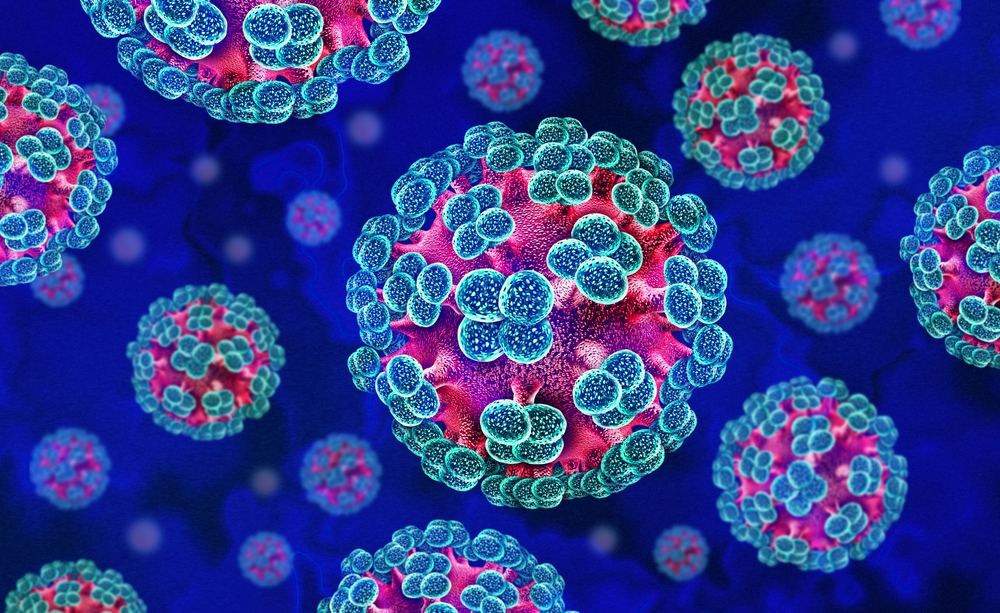
What is Hantavirus? Everything you need to know about this rare but serious virus
Peer reviewed by Dr Colin Tidy, MRCGPAuthored by Thomas Andrew Porteus, MBCSOriginally published 5 May 2026
Meets Patient’s editorial guidelines
- DownloadDownload
- Share
- Language
- Discussion
- Audio Version
- Add to preferred sources on Google
Hantavirus is making headlines again, after a cluster of serious illnesses linked to an expedition cruise ship prompted investigations by the World Health Organization.
But what is Hantavirus - and is it something you need to worry about?
Hantavirus is not a condition most people spend much time thinking about. It rarely appears in mainstream health coverage, and compared with infections such as flu, norovirus, or COVID, public awareness remains low.
So when it suddenly makes headlines, the same questions come up - what is it, how serious is it, and should we be worried?
In the case of hantavirus, the honest answer is that it deserves respect - but not panic.
It can cause serious, even life-threatening illness. But it is also rare, does not spread easily between people, and for most people in the UK, the risk remains extremely low.
What is hantavirus?
Hantavirus is the name given to a group of viruses carried by rodents.
Different strains are found in different parts of the world, and each tends to be associated with particular species of mice, rats, or voles.
These animals usually show no obvious signs of illness, but they can carry and shed the virus in their pee (urine), poo (droppings), and saliva.
Human infection typically happens through environmental exposure rather than direct contact.
In simple terms, the virus can become airborne in tiny particles of dust contaminated by rodent waste, and infection can occur when that dust is breathed in.
That means exposure is most often linked to activities such as:
Clearing sheds, garages, or lofts.
Cleaning barns, stables, or storage buildings.
Opening holiday cabins or caravans that have been closed for long periods.
Working in farming, forestry, or pest control.
Renovating older rural properties.
Why is it in the news now?
The current coverage follows reports of several passengers becoming seriously unwell aboard the expedition vessel MV Hondius after a South American itinerary.
Public health investigations are ongoing, and while laboratory-confirmed cases have been reported, officials believe exposure may have taken place during activities on land rather than on the ship itself.
That distinction matters, because hantavirus behaves very differently from respiratory viruses that spread in crowded indoor spaces. It is not something currently spreading through communities, schools, offices or public transport.
The current incident appears to be linked to a very specific exposure event rather than broader human transmission.
Can hantavirus spread from person to person?
In almost all cases, no.
That is one of the most reassuring things about hantavirus. The vast majority of infections occur through direct exposure to contaminated environments rather than through contact with another infected person.
There is one notable exception, a strain known as Andes virus, found mainly in parts of South America, where limited person-to-person transmission has been documented.
Outside of that, hantavirus is generally considered a dead-end infection in humans.
If someone becomes infected, the people around them are not usually considered at risk simply through normal day-to-day contact.
Is hantavirus found in the UK?
Yes, although cases are uncommon.
The UK Health Security Agency (UKHSA) recognises hantavirus infection as a rare but established disease in Britain.1
British rodent populations, including rats and voles, can carry strains capable of infecting humans, although confirmed cases remain infrequent.
Where infections do occur, they are more often seen in people whose work or hobbies involve close contact with rural buildings, livestock areas, feed stores, or rodent habitats.
That might include:
Farmers.
Grounds staff.
Pest controllers.
Forestry workers.
Stable owners.
Builders and renovators.
People restoring caravans, boats or outbuildings.
Even in these groups, infection remains rare.
What are the symptoms of hantavirus?
People often initially feel as though they are coming down with a viral infection such as the common cold or flu.
Symptoms may include:
Headache.
Muscle aches.
Fatigue.
Chills.
Feeling sick (nausea).
Stomach or abdominal discomfort.
That alone would not immediately suggest hantavirus. What makes the infection concerning is that in some cases symptoms can worsen quickly over the following days.
Depending on the strain involved, more serious complications may affect either the lungs or the kidneys.
Respiratory symptoms can include:
Persistent cough.
Breathlessness.
Chest tightness.
Low oxygen levels.
Other strains may cause:
Severe back pain.
Abdominal pain.
Peeing less than normal.
Kidney inflammation.
For clinicians, the combination of symptoms plus an exposure history is often what raises suspicion.
A recent history of clearing rodent-infested spaces, handling feed stores, working in barns, or travelling in rural parts of affected countries can be an important clue.
How serious is hantavirus?
Hantavirus can be serious. The most severe form, known as Hantavirus pulmonary syndrome (HPS), can progress rapidly and may require intensive care support. Another severe syndrome associated with hantavirus is haemorrhagic fever with renal syndrome (HFRS), which is mainly seen in Europe and Asia.2
Data from the Centers for Disease Control and Prevention (CDC) suggests that around 38% of people who develop severe pulmonary disease may not survive, even with modern treatment.3
That sounds alarming, and it should be taken seriously. But it is equally important to remember that these severe cases are rare, and the overall number of infections remains very small.
Can hantavirus be treated?
There is currently no widely used antiviral treatment specifically for hantavirus.
Management is supportive and may include:
Oxygen therapy.
Intravenous fluids.
Intensive care monitoring.
Kidney support in severe cases.
As with many infections, early recognition can make a significant difference.
Should people in the UK be worried?
For most people, no.
There is currently no evidence of wider public health risk in the UK linked to the latest outbreak, and no reason for people to change travel plans, avoid public places, or worry about day-to-day contact with others.
The main risk remains environmental exposure in settings where rodents may be present.
That means the most practical prevention measures are simple:
Ventilate sheds, lofts, or storage areas before cleaning.
Avoid sweeping dry rodent droppings.
Use disinfectant before disturbing contaminated material.
Wear gloves and, where appropriate, a mask.
Store food securely and block rodent access points.
For most people, hantavirus will remain something they read about rather than experience.
But for those who work regularly in rural environments, old buildings, barns, stables, or storage spaces, it’s a useful reminder that sometimes the simplest precautions still matter.
Patient picks for Viral infections
Infections
Swine flu in the UK: What are the symptoms of the new strain?
A case of a new strain of swine flu has been confirmed in the UK. The infection was detected in a routine flu screening test at a GP surgery in North Yorkshire. Here's everything you need to know about the virus.
by Lydia Smith

Infections
Can you catch a cold in summer?
Colds are often associated with autumn and winter, but you can catch one at any time of year. Although they are less common during the warmer months, the viruses that cause colds continue to circulate throughout the summer. Most summer colds are mild and get better on their own within a week or two.
by Josh Alderman
Frequently asked questions
What is the incubation period for hantavirus?
The article suggests that after initial flu-like symptoms, hantavirus symptoms can worsen quickly over the following days, indicating a relatively short progression once symptoms begin. However, it does not specify an exact incubation period from exposure to the onset of the first symptoms.
What kind of mask should be worn to prevent hantavirus transmission?
The article recommends wearing a mask where appropriate as a practical prevention measure when disturbing contaminated material. It does not specify a particular type of mask, but the context implies one that can filter airborne particles like dust.
Are there specific geographical areas in the UK where hantavirus is more common?
The article states that hantavirus is found in the UK and that British rodent populations can carry strains capable of infecting humans. However, it does not specify particular regions or geographical areas within the UK where cases are more commonly reported.
Further reading and references
About the authorView full bio

Thomas Andrew Porteus, MBCS
HealthTech
MBCS
Thomas writes to inform, inspire, and equip practice leaders and health professionals navigating change, drawing on two decades of hands-on work across the UK health system.
About the reviewerView full bio

Dr Colin Tidy, MRCGP
General Practitioner, Medical Author
MBBS, MRCGP, MRCP (Paediatrics), DCH
Dr Colin Tidy is an NHS Doctor, based in Oxfordshire.
Article history
The information on this page is peer reviewed by qualified clinicians.
Article also available in English, German, Spanish, French, Italian, Portuguese, Hindi, Hebrew, Arabic, and Swedish.
Next review due: 5 May 2029
5 May 2026 | Originally published
Authored by:
Thomas Andrew Porteus, MBCSPeer reviewed by
Dr Colin Tidy, MRCGP
Join the conversation
Share your thoughts or experiences with others in our patient communities.

Ask, share, connect.
Browse discussions, ask questions, and share experiences across hundreds of health topics.

Feeling unwell?
Assess your symptoms online for free
Sign up to the Patient newsletter
Your weekly dose of clear, trustworthy health advice - written to help you feel informed, confident and in control.
By subscribing you accept our Privacy Policy. You can unsubscribe at any time. We never sell your data.
More in infections
- Can the flu jab really give you the flu?
- Can zinc lozenges protect against coughs, colds, flu, and COVID-19?
- Cranberry juice for cystitis: does it work?
- Do any traditional or herbal remedies work for flu?
- Get fighting fit after meningitis
- Is oral sex less risky than intercourse?
- Living with HIV from birth
- Meningitis symptoms students should know: recognising the warning signs early
- Safeguarding your sexual health at university
- Sepsis warning signs you need to know
- Video: How do head lice spread?
- Video: What are the different types of STI?
- What are the most effective flu prevention methods?
- What causes blood in urine?
- What childhood illnesses can adults get?
- What living with HIV is like today
- What side effects are associated with the yellow fever vaccine?
- Why do kids need the flu jab?
- Why have I been offered the shingles vaccine?
- Will flu vaccinations be available after Brexit?