Exam time: stress-relieving toys and gadgets
Peer reviewed by Dr Krishna Vakharia, MRCGPLast updated by Amberley DavisLast updated 9 May 2024
Meets Patient’s editorial guidelines
- DownloadDownload
- Share
- Language
- Discussion
- Audio Version
- Add to preferred sources on Google
Stress toys - such as fidget spinners, stress balls, and cubes - are a popular way to help manage stress and anxiety, and they are never more popular than during exam time.
But are these gadgets just a fad, or is there any point to them? We explore the most popular stress-busting tools and the science behind them.

Stress management toys
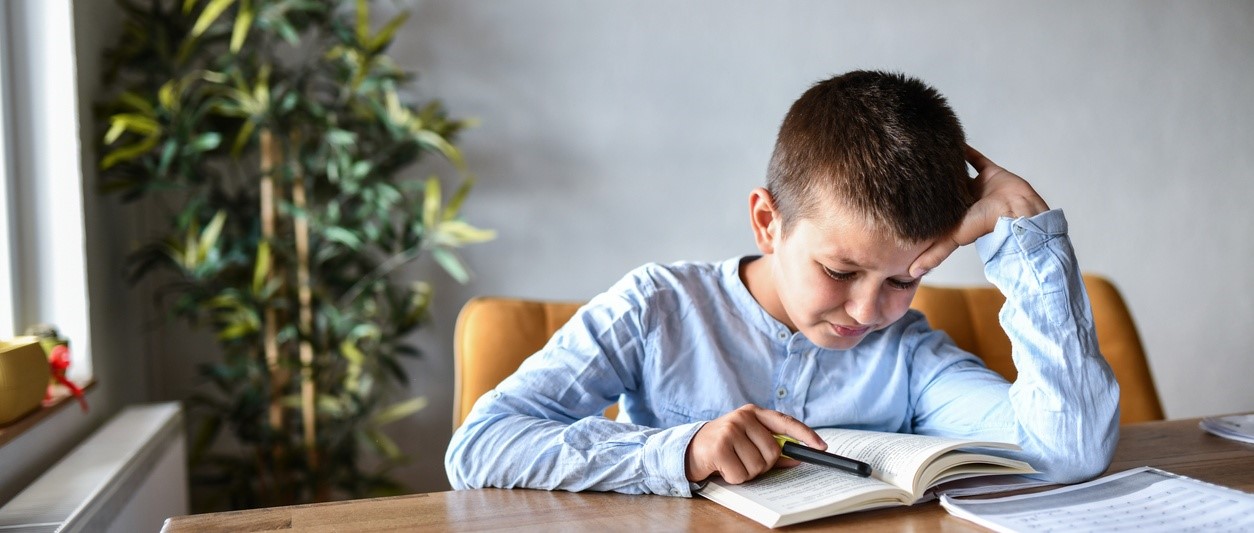
Childline data from 2023 shows that children seeking counselling over exam stress increased by 10% from the previous year1. With concerns around children's mental wellbeing on the rise, we ask if stress toys are a good investment around exam season.
1. Fidget spinners
Many fidget spinner manufacturers claim the gadget relieves ADHD, autism and anxiety2. There is some research that fidgeting - for example, jiggling legs - can help children with ADHD to concentrate. Some small scientific studies have also found fidget spinners to help anxiety3, but this research is limited and there remains a lack of strong scientific evidence around these fidget toys - and little to no studies on their use during exams.
2. Stress balls and toys
Stress balls are designed to help relieve tension and stress - the idea is that when you tighten and then release your fist, it helps you let go of the angst too. It's thought that strengthening your nerves and muscles through stress ball squeezing may benefit your nervous system, controlling the release of stress hormones. However, study results are mixed - some report improvements in stress, while others do not4.
When it comes to their use in education, there is evidence that stress balls can help university students feel less nervous5. These sensory toys may even help young people in exams in other ways - by improving their ability to focus on the task at hand6.
3. Wire head massagers
According to some, a wire-based head massager can help relax muscles in your neck that tense up when you're stressed. There may not be many studies on head massager gadgets, but head massage is an ancient ayurveda-based technique that's proven to relieve anxiety7.
Head massage also stimulates your nerve endings and increases blood flow, which not only helps to reduce stress hormone levels, but has been found to lower blood pressure and heart rate8. Still, a head massager isn't a subtle stress toy and students may prefer to use during private study time than in an exam room.
4. Therapy putty
Much like stress balls, putty toys, sometimes known as silly putty or thinking putty, may help alleviate mental stress through the physical act of squeezing, stretching, and releasing. The putty is designed to resist and reform with each stretch, which many claim helps soothe and distract from anxious thoughts.
Some claim putty also helps you process your thoughts while you play - but the majority of evidence is anecdotal, and there's little to no scientific evidence on putty for student stress.
5. Stress relief apps for young people
Mobile apps designed to reduce stress are becoming increasingly popular and there are several on the market, from mindfulness meditation apps to therapy apps. The trouble is, not all of these apps are designed with a young person's attention span in mind.
In contrast, Recolor is an anti-stress colouring-in app that champions interaction, activity and fun as a means of stress relief. If your child needs to be distracted by something relaxing and creative during exam season, this app is a great option.
6. Mindfulness remotes
For children and young adults navigating exam anxiety, interactive electronic tools are popular modern stress toys. According to a study by Brunel University, 86% of children who used Stix Mindfulness Remotes felt happier and less stressed after four weeks9. These remotes offer enjoyable activities that are especially useful for younger children who need stress-relief and entertainment packaged as one.
While all these stress toys and gadgets may be a fun distraction, they're no substitute for medical help if you have anxiety. Finding a solution that helps you relax and manage your feelings is an important factor in relieving anxiety, so talk to your doctor if you're struggling. A healthy diet and regular physical activity is also particularly important during times of stress.
Further reading
NSPCC: 10% increase in counselling sessions about exam stress since the pandemic.
NPR: Whirring, Purring fidget spinners provide entertainment, not ADHD help.
Srivarsan et al: An evaluation on use of stress ball exercise on stress management among student population.
Stalvey and Brasell: Using stress balls to focus the attention of sixth graders.
Kim et al: The effect of a scalp massage on stress hormone, blood pressure, and heart rate of healthy female.
Stix Mindfulness: Independent study statistics.
Patient picks for Stress management
Mental health
5 healthy ways to handle money problems in your relationship
Money problems are often a common trigger for relationship issues. As the cost of living crisis looms over more households, experts share their tips to help couples stay united in the face of financial stress.
by Amberley Davis
Mental health
Can watching horror films reduce stress?
When we think of relaxing activities, settling down to watch a film about a serial killer stalking a victim with an axe probably isn't what comes to mind. Despite this, lots of us love watching horror films - and although it sounds counterintuitive, some people even find these help to reduce stress.
by Lydia Smith
About the authorView full bio

Gemma Grange
BA (Hons), MA
Gemma joined Patient in 2017 as their Content Producer and now works for blood cancer charity Anthony Nolan.
About the reviewerView full bio

Dr Krishna Vakharia, MRCGP
Chief Medical Officer for Health, Optum UK
MBChB, MRCGP(2013), BMedSci (hons), DFSRH, DRCOG, PGDipDerm (Distn)
Dr Krishna Vakharia is an NHS GP. She is also a regular examiner for the postgraduate Diploma in Practical Dermatology at Cardiff University as well as being the Chief Medical Officer for health at Optum UK.
Article history
The information on this page is peer reviewed by qualified clinicians.
Article also available in English, German, Spanish, French, Italian, Portuguese, Hindi, Hebrew, Arabic, and Swedish.
Next review due: 9 May 2027
9 May 2024 | Latest version
25 Aug 2017 | Originally published
Authored by:
Gemma Grange
Join the conversation
Share your thoughts or experiences with others in our patient communities.

Ask, share, connect.
Browse discussions, ask questions, and share experiences across hundreds of health topics.

Feeling unwell?
Assess your symptoms online for free
Sign up to the Patient newsletter
Your weekly dose of clear, trustworthy health advice - written to help you feel informed, confident and in control.
By subscribing you accept our Privacy Policy. You can unsubscribe at any time. We never sell your data.
More in mental health
- A fear of holes: what triggers trypophobia?
- Art therapy: creative ways to boost your mental health
- Can exercise help you feel less stressed?
- Can magnesium help with anxiety?
- Can playing video games help your mental health?
- Dealing with depression and anxiety caused by adult acne
- Grief: how to cope with the finality of death
- How to look after your mental health this winter
- Is the vagus nerve the key to our mental health?
- Signs your job is making you sick
- The health benefits of seawater
- The worst foods to eat when you're feeling stressed
- Unconventional healing: the rise of alternative therapies
- What is toxic masculinity and how does it affect men?
- What the World Cup can teach us about staying active
- What to do if you have a panic attack in public
- When should you stop taking antidepressants?
- Where does a fear of vaccines come from?
- Why new year's resolutions fail - and what you can do about it
- NewYoung-onset dementia - what you need to know