Dentaduras
Revisado por pares por Dr Hayley Willacy, FRCGP Escrito por Palillo Publicado originalmente 23 Feb 2015
Cumple con las directrices editoriales
- DescargarDescargar
- Compartir
- Language
- Discusión
- Versión en audio
- Agregar a fuentes preferidas en Google
Esta página ha sido archivada.
No se ha revisado recientemente y no está actualizado. Los enlaces externos y las referencias pueden ya no funcionar.
Las dentaduras son dientes falsos removibles hechos de acrílico o metal que reemplazan los dientes perdidos. Aunque su dentista intentará que conserve la mayor cantidad posible de sus propios dientes, incluso las personas que mantienen una buena rutina de salud bucal pueden necesitar dentaduras en algún momento de su vida. La pérdida de dientes no solo puede causar problemas con su habla y alimentación, sino que también puede tener un impacto emocional. Cualquiera que sea la razón de la pérdida de dientes, las dentaduras pueden prevenir estos problemas, restaurar la confianza en uno mismo y mejorar su apariencia al brindar soporte adicional a sus mejillas y labios. Hay varios tipos de dentaduras a considerar según su situación, y los costos varían en consecuencia.
De un vistazo
Las dentaduras postizas son dientes protésicos hechos a medida para reemplazar los dientes naturales perdidos.
Es posible que necesite dentaduras completas o parciales, dependiendo de cuántos dientes le falten.
Las dentaduras completas inmediatas se colocan justo después de que se extraen los dientes.
Las dentaduras parciales llenan los espacios y pueden sujetarse a tus dientes naturales.
Por lo general, las dentaduras postizas deben retirarse por la noche para permitir que las encías descansen.
Los costos del NHS para dentaduras postizas son £214 en Inglaterra; los costos privados varían mucho.
Deberías seguir visitando a tu dentista regularmente para chequeos, incluso con dentaduras postizas.
¿Qué tipo de dentaduras necesito?
Las dentaduras se forman tomando una impresión de tu boca y son hechas a medida por un técnico dental para el mejor ajuste. El color y la forma de las dentaduras pueden ajustarse para que se vean lo más parecido posible a los dientes naturales.
Dependiendo de cuántos dientes falten, es posible que necesite prótesis completas o parciales. Su dentista le dará opciones según sus circunstancias:
Prótesis completas inmediatas
También conocidas como dentaduras completas, estas prótesis dentales se colocarán si es necesario extraer todos sus dientes superiores y/o inferiores. En la mayoría de los casos, su dentista podrá insertar nuevas dentaduras inmediatamente después de que se hayan extraído los dientes naturales restantes, asegurando que no tendrá que pasar tiempo sin dientes mientras sus encías se curan. Las dentaduras completas se ajustan perfectamente sobre sus encías y hueso maxilar.
Aunque su dentista habrá tomado medidas y modelado su mandíbula durante una visita previa para asegurar que las dentaduras encajen de inmediato, sus encías y hueso pueden encogerse con el tiempo. Esto es especialmente cierto durante los primeros seis meses después de que se han extraído los dientes y las encías sanan. Si este es el caso, es posible que necesite ajustar o reemplazar sus dentaduras para mejorar el ajuste.
Dentaduras completas convencionales
En algunos casos, su dentista podría aconsejarle que sus encías necesitan sanar antes de que pueda usar dentaduras postizas. Aunque esto significa que estará sin dientes durante varios meses, es más probable que tenga dentaduras que se ajusten sin necesidad de modificaciones posteriores.
Prótesis dentales asistidas por implantes
Si no puede usar dentaduras sin asistencia debido a la pérdida ósea o a un paladar insuficiente, o si las dentaduras convencionales no son adecuadas, una opción podría ser las dentaduras asistidas por implantes.
Dependiendo de la condición de su mandíbula, se colocarán de cuatro a seis implantes en cada arco, con accesorios especiales a los que se sujetará la dentadura. Al igual que los implantes de un solo diente, esto requerirá crear un agujero a través de su encía hasta el hueso de la mandíbula para insertar una raíz artificial de titanio. Esta raíz necesitará de dos a seis meses para fusionarse con el hueso antes de que la dentadura pueda ser fijada a ella.
Prótesis parciales
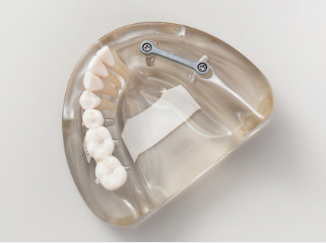
Si tienes algunos de tus propios dientes naturales, es posible que solo necesites una dentadura parcial para llenar los espacios dejados por los dientes faltantes. Las dentaduras parciales generalmente consisten en una placa de metal o plástico con varios dientes falsos adheridos. Estos se sujetan a tus dientes naturales con un gancho de metal para que puedan desengancharse y retirarse, o se colocan coronas sobre algunos de tus dientes naturales para servir como anclajes para la dentadura.
dentaduras-parciales
¿Cuánto tiempo debo usar dentaduras?
Durante los primeros días después de colocarse las dentaduras, es posible que se le aconseje usarlas constantemente. Una vez que su boca se acostumbre a llevarlas, debe quitarse las dentaduras antes de irse a dormir. Esto permitirá que sus encías descansen y evitará el desarrollo de infecciones por hongos.
¿Cuánto cuestan las dentaduras postizas?
Colocarse dentaduras postizas es un tratamiento de banda 3, que cuesta £214 para pacientes dentales del NHS en Inglaterra. Privadamente, las dentaduras parciales costarán a partir de £400 y las dentaduras completas costarán a partir de £600. El costo de las dentaduras asistidas por implantes variará significativamente dependiendo del trabajo involucrado, pero es probable que cueste alrededor de £3,000 en adelante. Su dentista puede proporcionarle un presupuesto por escrito antes de que decida. Vale la pena señalar que los implantes dentales ayudan a preservar la cantidad de hueso maxilar que forma la base para soportar la dentadura.
¿Cuánto tiempo durarán las dentaduras?
Las dentaduras bien cuidadas deberían durar varios años, pero pueden necesitar ser reajustadas o rehechas después del desgaste normal o tras cualquier cambio en la forma de su boca a medida que sus encías o hueso se encogen. Las dentaduras mal ajustadas pueden causar varios problemas, incluyendo incomodidad, mal aliento, llagas en la boca e infecciones.
Algunas personas que han estado usando dentaduras completas durante largos períodos pueden encontrar difícil obtener dentaduras bien ajustadas.
¿Afectarán las dentaduras postizas cómo y qué puedo comer?
Cuando empieces a usar dentaduras postizas, es posible que desees acostumbrarte a comer con pequeños trozos de alimentos blandos, evitando cualquier alimento particularmente duro o pegajoso. Una vez que estés más familiarizado con las dentaduras, deberías poder volver a una dieta normal y saludable.
¿Necesito usar un adhesivo para mantener las dentaduras en su lugar?
Mientras te familiarizas con tus dentaduras postizas, es posible que desees usar un fijador para ayudar a mantenerlas en su lugar. Esto también puede ser necesario si tus encías se han encogido mucho. Sin embargo, las dentaduras bien ajustadas no deberían requerir ningún adhesivo para mantenerse en su lugar.
¿Mi boca requerirá cuidados especiales?
Incluso si tienes dentaduras completas, aún debes cuidar bien de tu boca. Cepilla tus encías, lengua y el paladar dos veces al día con pasta de dientes y un cepillo de cerdas suaves. Si tienes dentaduras parciales, tus dientes naturales deben limpiarse dos veces al día para prevenir la caries dental, la enfermedad de las encías y cualquier futura pérdida de dientes.
¿Cuál es la mejor manera de cuidar las dentaduras postizas?
Las dentaduras postizas deben limpiarse con la misma diligencia que los dientes naturales y son igualmente susceptibles a la placa y a los depósitos de alimentos atrapados. Al menos cada mañana y noche debes cepillarlas con pasta o jabón y agua antes de remojarlas. Luego, deberán ser sumergidas en una solución limpiadora para dentaduras. Se debe tener especial cuidado para eliminar cualquier rastro de adhesivo para dentaduras.
Finalmente, sus dentaduras postizas deben cepillarse como lo haría con sus propios dientes, con pasta de dientes y un cepillo de cabeza pequeña. Si sus dentaduras tienen acumulación de placa o manchas, su dentista o higienista puede limpiarlas por usted.
Si te quitas las dentaduras postizas durante la noche, guárdalas en una pequeña cantidad de agua para evitar que se deformen.
Recuerde que las dentaduras postizas pueden ser bastante delicadas y pueden astillarse, agrietarse o romperse si se caen, así que tenga mucho cuidado al limpiarlas. No intente ajustar las dentaduras postizas, ya que podría dañarlas irreparablemente.
¿Con qué frecuencia debo visitar a mi dentista?
Incluso si tienes dentaduras completas, debes planear visitar a tu dentista regularmente para un chequeo, de modo que puedan monitorear la salud del revestimiento de tu boca y asegurarse de que tus dentaduras estén ajustando correctamente.
Este artículo fue proporcionado por Toothpick, el proveedor líder de citas dentales en línea en el Reino Unido.
Selecciones del paciente para Problemas dentales

Cuidado oral y dental
Placa dental y enfermedad de las encías
La acumulación de placa y sarro puede provocar encías inflamadas e infectadas. La enfermedad de las encías leve se llama gingivitis y generalmente no es grave. La enfermedad de las encías más severa (periodontitis), puede provocar la caída de los dientes. Una buena higiene bucal incluye cepillarse los dientes regularmente y limpiar entre ellos, por ejemplo, usando hilo dental. Esto generalmente puede prevenir la enfermedad de las encías y tratar la gingivitis leve a moderada. Para la enfermedad de las encías severa, pueden ser necesarios tratamientos dentales especializados.
por el Dr. Ben Williams, MB ChB

Cuidado oral y dental
Implantes dentales
Un implante dental es una forma moderna de reemplazar dientes perdidos. Toma la forma de un poste de titanio que se fija en el hueso de la mandíbula y se corona con un diente artificial. La corona de su implante dental será casi indistinguible del resto de sus dientes y funcionará como un diente normal, lo que hace que los implantes sean una solución muy atractiva y a largo plazo. El proceso puede tardar entre dos y seis meses, ya que la corona se coloca una vez que el poste de titanio se ha integrado con el hueso de la mandíbula. Los implantes dentales generalmente son realizados por dentistas cosméticos privados y rara vez se ofrecen en el NHS. Cualquier persona con dientes y encías saludables puede tener un implante colocado.
por Toothpick
Preguntas frecuentes
¿Cuál es la diferencia entre las dentaduras completas inmediatas y las convencionales?
Las dentaduras completas inmediatas se colocan inmediatamente después de que se extraen los dientes naturales restantes, para que no tengas que estar sin dientes. Sin embargo, tus encías y hueso se encogerán durante la cicatrización, lo que podría requerir ajustes o reemplazos más adelante. Las dentaduras completas convencionales implican un período de espera de varios meses para que tus encías sanen antes de colocarlas. Esto significa que estarás sin dientes por un tiempo, pero es más probable que las dentaduras se ajusten sin necesidad de ajustes posteriores.
¿Cuándo se podrían recomendar las dentaduras asistidas por implantes?
Las dentaduras asistidas por implantes pueden recomendarse si tienes dificultades para usar dentaduras sin asistencia debido a factores como la pérdida ósea o un paladar insuficiente, o si las dentaduras convencionales no son adecuadas para ti. Esta opción implica colocar quirúrgicamente implantes de titanio en el hueso de la mandíbula para proporcionar un anclaje estable para la dentadura, requiriendo un período de cicatrización para que los implantes se fusionen con el hueso.
¿De qué están hechas las dentaduras parciales y cómo se mantienen en su lugar?
Las dentaduras parciales generalmente consisten en una placa de metal o plástico con dientes postizos adheridos para llenar los espacios donde faltan dientes naturales. Por lo general, se sujetan a sus dientes naturales existentes con un gancho de metal, lo que permite que se desabrochen y se retiren. Alternativamente, se pueden colocar coronas sobre algunos de sus dientes naturales para que actúen como anclajes para la dentadura.
¿Cuánto tiempo tardan los implantes en fusionarse con el hueso para las dentaduras asistidas por implantes?
Para las dentaduras asistidas por implantes, una vez que las raíces de titanio artificiales (implantes) se insertan en el hueso de la mandíbula, generalmente toma entre dos a seis meses para que se fusionen con el hueso antes de que la dentadura pueda ser fijada de manera segura.
¿Puedo ajustar mis dentaduras yo mismo si se vuelven incómodas?
No, no deberías intentar ajustar tus dentaduras tú mismo. Pueden ser bastante delicadas, y tratar de ajustarlas podría causar daños irreparables. Si tus dentaduras son incómodas o no se ajustan correctamente, deberías consultar a tu dentista.
Sobre el autor

Palillo
Acerca del revisorVer biografía completa

Dr Hayley Willacy, FRCGP
Médico General, Autor Médico
MBChB (1992), DRCOG, DFFP, MRCOG (Part 1) MRCGP (2007), DFSRH (2013), MSc - medical education (2020)
La Dra. Hayley Willacy fue una médica general del NHS que trabajaba en el noroeste de Inglaterra, quien se retiró de la práctica clínica en 2022 después de 30 años.
Historial del artículo
La información en esta página está escrita y revisada por pares por clínicos calificados.
Artículo también disponible en Inglés, Alemán, Español, Francés, Italiano, Portugués, Hindi, Hebreo, Árabe, y Sueco.
23 Feb 2015 | Publicado originalmente
Escrito por:
Palillo
Revisado por pares por
Dr Hayley Willacy, FRCGP

Pregunta, comparte, conecta.
Navega por discusiones, haz preguntas y comparte experiencias en cientos de temas de salud.

¿Te sientes mal?
Evalúa tus síntomas en línea de forma gratuita
Suscríbete al boletín de Patient
Tu dosis semanal de consejos de salud claros y confiables, escritos para ayudarte a sentirte informado, seguro y en control.
Al suscribirte aceptas nuestros Política de Privacidad. Puedes darte de baja en cualquier momento. Nunca vendemos tus datos.
Más en cuidado oral y dental
- Acalasia
- Labio y paladar hendido
- Implantes dentales
- Boca seca
- Halitosis
- Diente completamente desplazado
- Pérdida del gusto y el olfato
- Cáncer de boca
- Cuidado de la boca
- Mucositis
- Paperas
- Higiene bucal
- Algodoncillo oral en bebés
- Trastornos de las glándulas salivales
- Cálculos en las glándulas salivales
- Alineación dental
- Caries dental
- Dolor de muelas