Cartilage-hair hypoplasia
Última actualización 24 Nov 2021
Cumple con las directrices editoriales
- DescargarDescargar
- Compartir
- Language
- Discusión
- Ask Patient
- Versión en audio
- Agregar a fuentes preferidas en Google
Cartilage-hair hypoplasia is a disorder of bone growth characterised by short stature (dwarfism) with other skeletal abnormalities; fine, sparse hair (hypotrichosis); and abnormal immune system function (immune deficiency) that can lead to recurrent infections.
Selecciones de videos para Condiciones genéticasBiblioteca de videos
Descripción
Cartilage-hair hypoplasia is a disorder of bone growth characterised by short stature (dwarfism) with other skeletal abnormalities; fine, sparse hair (hypotrichosis); and abnormal immune system function (immune deficiency) that can lead to recurrent infections.
People with cartilage-hair hypoplasia have unusually short limbs and short stature from birth. They typically have malformations in the cartilage near the ends of the long bones in the arms and legs (metaphyseal chondrodysplasia), which then affects development of the bone itself. Most people with cartilage-hair hypoplasia are unusually flexible in some joints, but they may have difficulty extending their elbows fully.
Affected individuals have hair that is lighter in colour than that of other family members because the core of each hair, which contains some of the pigment that contributes the hair's colour, is missing. The missing core also makes each strand of hair thinner, causing the hair to have a sparse appearance overall. Unusually light-colored skin (hypopigmentation), malformed nails, and dental abnormalities may also be seen in this disorder.
The extent of the immune deficiency in cartilage-hair hypoplasia varies from mild to severe. Affected individuals with the most severe immune problems are considered to have severe combined immunodeficiency (SCID). People with SCID lack virtually all immune protection from bacteria, viruses, and fungi and are prone to repeated and persistent infections that can be very serious or life-threatening. These infections are often caused by "opportunistic" organisms that ordinarily do not cause illness in people with a normal immune system. Most people with cartilage-hair hypoplasia, even those who have milder immune deficiency, experience infections of the respiratory system, ears, and sinuses. In particular, the chicken pox virus (varicella) often causes dangerous infections in people with this disorder. Autoimmune disorders, which occur when the immune system malfunctions and attacks the body's tissues and organs, occur in some people with cartilage-hair hypoplasia. Affected individuals are also at an increased risk of developing cancer, particularly certain skin cancers (basal cell carcinomas), cancer of blood-forming cells (leukemia), and cancer of immune system cells (lymphoma).
Some people with cartilage-hair hypoplasia experience gastrointestinal problems. These problems may include an inability to properly absorb nutrients or intolerance of a protein called gluten found in wheat and other grains (celiac disease). Affected individuals may have Hirschsprung disease, an intestinal disorder that causes severe constipation, intestinal blockage, and enlargement of the colon. Narrowing of the anus (anal stenosis) or blockage of the esophagus (esophageal atresia) may also occur.
Patrones de herencia
The source lists the following possible inheritance patterns: Autosomal recessive. More than one pattern can apply in different cases.
Related genes
Otros nombres
Cartilage-hair syndrome
CHH
McKusick's metaphyseal chondrodysplasia syndrome
Metaphyseal chondrodysplasia, McKusick type
Metaphyseal chondrodysplasia, recessive type
Related patient information and medicines

Patient information leaflet
Deficiencia de vitamina C
Vitamin C cannot be made by the human body and so is an essential component of the diet. It is needed for the health and repair of various tissues in the body, including skin, bone, teeth and cartilage. Persistent lack of dietary vitamin C in can lead to a condition called scurvy. Symptoms of scurvy include easy bruising, easy bleeding and joint.

Patient information leaflet
Problemas de cadera
The movement between the bones can then cause damage to the cartilage on the surfaces and to the other tissues around the edge of the hip joint. Your doctor will check this out. [/health/hip-problems](https://patient.info/health/hip-problems) Causes of cadera problems in children Developmental dysplasia of the cadera (DDH) A painless.

Patient information leaflet
Quiste de Baker
A Quiste de Baker es un hinchazón that can develop behind the knee. It is filled with the lubricating fluid that is usually found inside the knee joint, known as "synovial fluid". Each knee joint also... These are thick rubber-like pads de cartilage tissue. El menisci cartilage sit on top of, and are in addition to, the usual thin layer of cartilage.

Patient information leaflet
cáncer de hueso primario
These cells are active throughout life. They work in a balanced way to make and mould bone, repair damage and keep the bone structure correctly 'woven'. There is a slow but constant turnover of bone. Chondrocytes are cells which make cartilage, the tissue that covers the ends of bones in joints. In the centre of some larger bones is the soft bone.
Patient information leaflet
Artritis
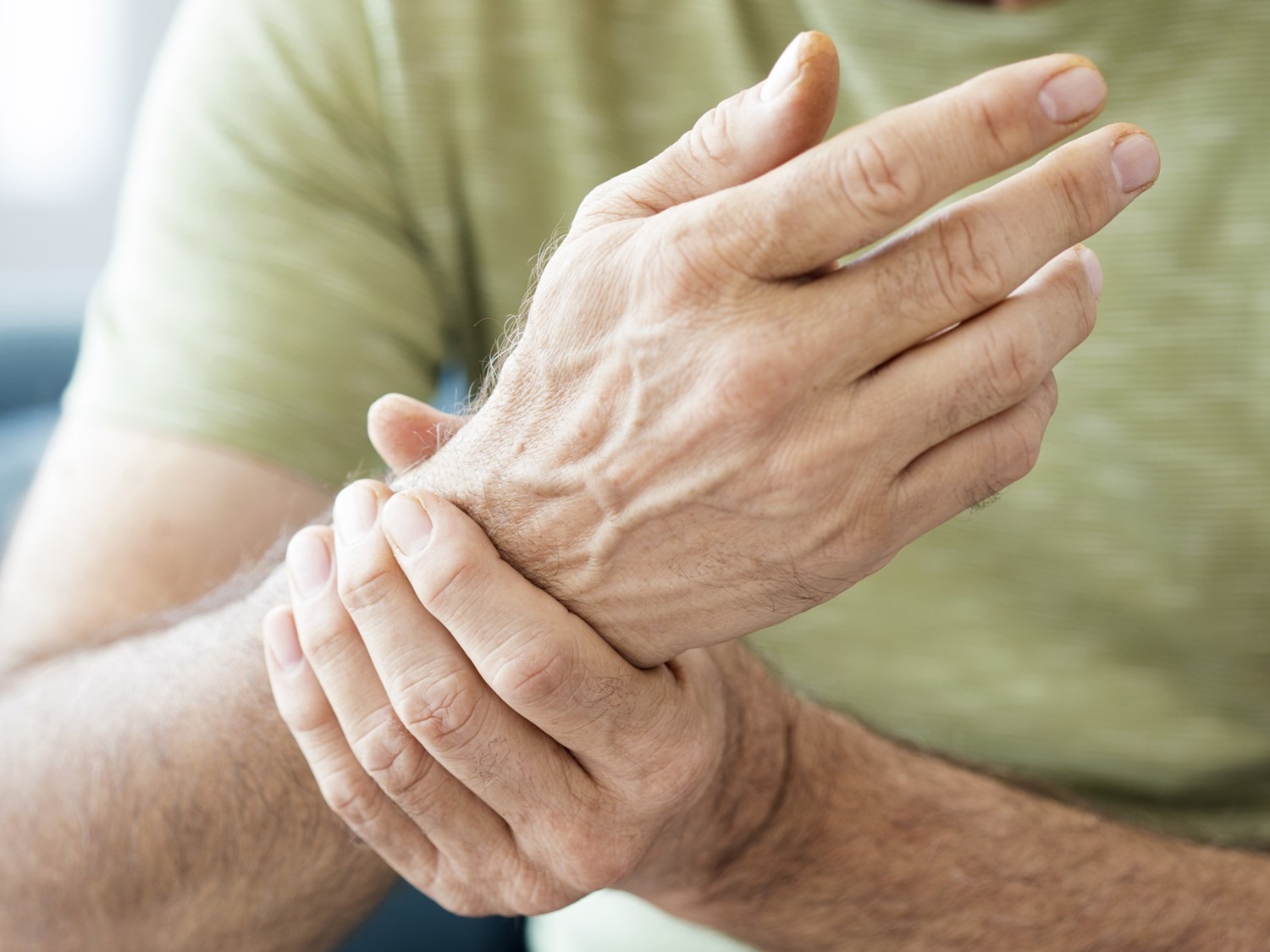
Arthritis means inflammation in a joint (like your knee, hip, elbow or fingers). It is a common problem and generally affects older people, although there are some rare conditions that cause arthritis in children and teenagers. This leaflet will explain a bit about how joints work and then go through the main causes of arthritis in easy-to-read.

Patient information leaflet
Osteoartritis
Arthritis means inflammation of the joints. Osteoartritis (OA) is the most common type of arthritis en el UK. Osteoarthritis affects el joint cartilage and the bone tissue next to the cartilage. See the separate article called What's the difference between osteoarthritis and rheumatoid arthritis? for more information. In joints with.
Lecturas adicionales y referencias
- Cartilage-hair hypoplasia; MedlinePlus, National Library of Medicine.
- Ganapathi KA, Shimamura A. Ribosomal dysfunction and inherited marrow failure. Br J Haematol. 2008 May;141(3):376-87. doi: 10.1111/j.1365-2141.2008.07095.x.
- Kwan A, Manning MA, Zollars LK, Hoyme HE. Marked variability in the radiographic features of cartilage-hair hypoplasia: case report and review of the literature. Am J Med Genet A. 2012 Nov;158A(11):2911-6. doi: 10.1002/ajmg.a.35604. Epub 2012 Sep 14.
- Martin AN, Li Y. RNase MRP RNA and human genetic diseases. Cell Res. 2007 Mar;17(3):219-26. doi: 10.1038/sj.cr.7310120.
- Matesic D, Hagan JB. Cartilage-hair hypoplasia. Mayo Clin Proc. 2007 Jun;82(6):655. doi: 10.4065/82.6.655. No abstract available.
- Mattijssen S, Welting TJ, Pruijn GJ. RNase MRP and disease. Wiley Interdiscip Rev RNA. 2010 Jul-Aug;1(1):102-16. doi: 10.1002/wrna.9. Epub 2010 May 6.
- Nakashima E, Tran JR, Welting TJ, Pruijn GJ, Hirose Y, Nishimura G, Ohashi H, Schurman SH, Cheng J, Candotti F, Nagaraja R, Ikegawa S, Schlessinger D. Cartilage hair hypoplasia mutations that lead to RMRP promoter inefficiency or RNA transcript instability. Am J Med Genet A. 2007 Nov 15;143A(22):2675-81. doi: 10.1002/ajmg.a.32053.
- Notarangelo LD, Roifman CM, Giliani S. Cartilage-hair hypoplasia: molecular basis and heterogeneity of the immunological phenotype. Curr Opin Allergy Clin Immunol. 2008 Dec;8(6):534-9. doi: 10.1097/ACI.0b013e328310fe7d.
- Thiel CT, Mortier G, Kaitila I, Reis A, Rauch A. Type and level of RMRP functional impairment predicts phenotype in the cartilage hair hypoplasia-anauxetic dysplasia spectrum. Am J Hum Genet. 2007 Sep;81(3):519-29. doi: 10.1086/521034. Epub 2007 Aug 6.
- Thiel CT, Rauch A. The molecular basis of the cartilage-hair hypoplasia-anauxetic dysplasia spectrum. Best Pract Res Clin Endocrinol Metab. 2011 Feb;25(1):131-42. doi: 10.1016/j.beem.2010.08.004.
- Welting TJ, Mattijssen S, Peters FM, van Doorn NL, Dekkers L, van Venrooij WJ, Heus HA, Bonafe L, Pruijn GJ. Cartilage-hair hypoplasia-associated mutations in the RNase MRP P3 domain affect RNA folding and ribonucleoprotein assembly. Biochim Biophys Acta. 2008 Mar;1783(3):455-66. doi: 10.1016/j.bbamcr.2007.11.016. Epub 2007 Dec 8.
Comparte tus pensamientos o experiencias con otros en nuestro comunidades de pacientes.
Acceso sencillo a tratamientos y servicios de salud confiables en línea.
Common conditions
Get help with common conditions through the NHS, without a GP appointment.
 Sinusitis aguda
 Amigdalitis bacteriana
 Impetigo
 Picaduras de insectos
 Herpes zósterInfección del tracto urinario (ITU)
Suscríbete al boletín de Patient
Tu dosis semanal de consejos de salud claros y confiables, escritos para ayudarte a sentirte informado, seguro y en control.
Al suscribirte aceptas nuestros Política de Privacidad. Puedes darte de baja en cualquier momento. Nunca vendemos tus datos.