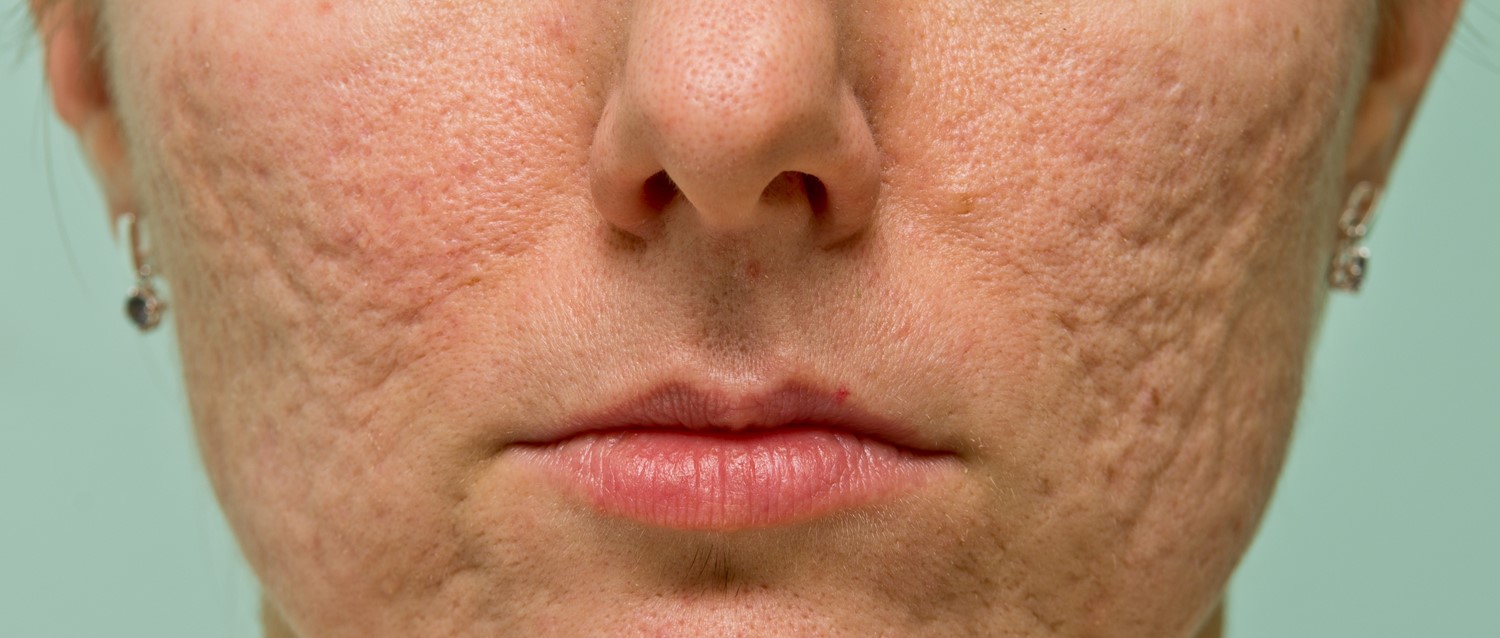
¿Ayuda Bio-Oil a las cicatrices de acné?
Revisado por pares por Dr Colin Tidy, MRCGPÚltima actualización por Emily Jane BashforthÚltima actualización 30 Jul 2022
Cumple con las directrices editoriales
- DescargarDescargar
- Compartir
- Language
- Discusión
- Versión en audio
- Agregar a fuentes preferidas en Google
Bio-Oil es un aceite cosmético que muchos afirman puede reducir la apariencia de cicatrices de acné. Bio-Oil es tanto el nombre del aceite como el del fabricante del producto. Es un aceite cosmético que afirma reducir la apariencia de cicatrices y estrías, pero ¿qué tan precisas son estas afirmaciones?

What is Bio-Oil?
Bio-Oil has been on the market since 1987 with claims that it helps improve the appearance of scars and stretch marks, at a time when almost every product on the shelf was either a cream or a lotion. To this day, many people hail it as the holy grail skincare product in their routine.
¿Ayuda Bio-Oil a las cicatrices de acné?
Bio-Oil's own healthcare professionals state that the product has been found to work "very well" on post-acne scarring and redness. They say it is also good for treating dryness caused by retinoid treatments. Bio-Oil is said to work best on scars that are less than three years old, as this means they aren't likely to be deep. Other factors influencing the depth of a scar include the depth of a wound/cut, and whether they are caused by skin conditions, like acné o virus de la varicela.
The product is believed to have been scientifically proven, with several studies over the years suggesting it can help with scarring. For example, a study monitored 44 people with acne scars between the ages of 14 and 30. 84% of participants who treated their scars with Bio-Oil saw an overall improvement and 90% noticed an improvement in scar colour1.
Another study found that 66% of participants noticed an improvement in their scars after just 15 days, while 92% saw an improvement after eight weeks2.
But as these studies were small the findings aren't conclusive. Generally, research doesn't tend to support the use of over-the-counter vitamin E products for treating scars3.
How does Bio-Oil work?
So, what's the science behind Bio-Oil? Well, it contains vitamin A, which can aid with the process of shedding dead skin cells and replacing them with younger cells.
Dr Catherine Borysiewicz, consultant dermatologist at the Clínica Cadogan, adds: "Bio-Oil contains a blend of plant oils and vitamins. Vitamin A helps to improve the skin's elasticity, reduce fine lines, address discolouration and also helps exfoliate, helping to heal scars. It also contains vitamin E which is good for hydrating and healing skin and may help reduce the appearance of scars."
Bio-Oil also contains calendula oil, a natural antioxidant that stimulates skin cell growth.
Dr Borysiewicz says, as Bio-Oil moisturises the skin, wound-healing is promoted.
It is worth pointing out that results are likely to differ from person to person, as with any skin product. So, try not to be disheartened if Bio-Oil reduces the appearance of a friend's acne scars but not yours. Scars and stretch marks are permanent, so reaching for Bio-Oil with the intention of getting rid of them completely might be setting yourself up for disappointment. While you can't remove scars completely, you can improve their appearance.
How should you apply Bio-Oil and how often for the best results?
Can you use Bio-Oil on your face?
Yes, before applying Bio-Oil, wash your face and make sure it is dry. Then, massage the oil into your skin, using circular motions until it is fully absorbed.
It is suggested that Bio-Oil should be used twice a day (morning and night) for optimum results.
Dr Borysiewicz stresses the importance of not applying it to broken skin. Applying it to cracked, bleeding or broken skin increases risk of infection.
Can Bio-Oil make your skin greasy?
Putting oil on to your face might feel unnatural as though it's destined to make your skin greasy. Bio-Oil, however, contains PurCellin, which reduces the thickness of its formula, making it easier to apply and more spreadable. As a result, it is lighter and less greasy than your typical oil.
Can Bio-Oil cause acne?
Despite recommending Bio-Oil for acne scars, experts are wary of recommending it for use on active acne. Despite being non-comedogenic (containing ingredients that won't clog pores), it's still an oil-based product that can make acne worse.
It isn't certain that Bio-Oil will make your acne worse or give you spots, and it is safe to use on your face. You also know your own skin best so, if your skin tolerates oils well, you can make a judgement as to whether Bio-Oil is suitable - if your main concern is dryness, it could be just what you need! But, if you're prone to acne, it might be worth exploring other options and contacting a dermatologist first.
What other treatments are there for acne scarring?
Luckily, Bio-Oil isn't the only option on the market for acne scars. There are various treatments available, but some might be less accessible or more costly, and depend on your scar type, skin type, and severity of the scarring.
Regarding home treatments, Dr Borysiewicz says: "Products containing ingredients such as alpha hydroxy acids, lactic acids, retinol, and salicylic acid can help improve the appearance of acne scarring."
But it's advised to speak with a dermatologist who can tailor a treatment plan to your individual requirements.
As for other treatments, acne scars can be reduced via:
Laser skin resurfacing.
Chemical skin peels.
Dermal fillers.
Micro-needling.
Dermabrasion.
Corticosteroid injections.
So, what's the verdict?
"It's important to remember that there is no silver bullet for getting rid of acne scars," says Dr Borysiewicz.
How long does Bio-Oil take to work?
"It takes time to improve the appearance of acne scarring. One product will not suit everyone and, depending on the severity of the acne scarring and skin quality, several treatments may be required. It's important to consult with a dermatologist on this journey."
Lectura adicional
Selecciones del paciente para Acné

Salud de la piel, uñas y cabello
¿Tu rutina de ejercicio te está causando acné?
Todos esperamos uno o dos músculos adoloridos después de una sesión de ejercicio intensa, pero hay un efecto secundario del ejercicio que probablemente no conocías: el acné. Sí, así es, el ejercicio puede causar acné y puede aparecer en todo tu cuerpo. La dermatóloga Dra. Anjali Mahto explica por qué tu rutina de ejercicios podría estar causando brotes.
por Andrea Downey

Salud de la piel, uñas y cabello
¿Podría tu mascarilla estar causando tu acné?
¿Has notado que te salen granos más a menudo de lo habitual y en las áreas donde se asienta tu mascarilla? No estás solo. 'Maskne' es una de las consecuencias inesperadas de la pandemia de coronavirus. Entonces, ¿por qué lo tenemos y cómo podemos deshacernos de él?
por Andrea Downey
Sobre el autorVer biografía completa

Emily Jane Bashforth
Redactora de artículos
NCTJ
Emily es una redactora de artículos destacados en Patient, escribiendo sobre una variedad de temas relacionados con la salud y el bienestar.
Acerca del revisorVer biografía completa

Dr Colin Tidy, MRCGP
Médico General, Autor Médico
MBBS, MRCGP, MRCP (Paediatrics), DCH
El Dr. Colin Tidy es un médico del NHS, con sede en Oxfordshire.
Historial del artículo
La información en esta página es revisada por pares por clínicos calificados.
Artículo también disponible en Inglés, Alemán, Español, Francés, Italiano, Portugués, Hindi, Hebreo, Árabe, y Sueco.
30 Jul 2022 | Última versión
30 Jul 2022 | Publicado originalmente

Pregunta, comparte, conecta.
Navega por discusiones, haz preguntas y comparte experiencias en cientos de temas de salud.

¿Te sientes mal?
Evalúa tus síntomas en línea de forma gratuita
Suscríbete al boletín de Patient
Tu dosis semanal de consejos de salud claros y confiables, escritos para ayudarte a sentirte informado, seguro y en control.
Al suscribirte aceptas nuestros Política de Privacidad. Puedes darte de baja en cualquier momento. Nunca vendemos tus datos.
Más sobre la salud de la piel, uñas y cabello
- Análisis de piel con IA: qué es y por qué los expertos advierten en su contra
- Vuelta al colegio: cómo revisar a tu hijo para detectar piojos y liendres
- Peelings químicos: beneficios, costos, riesgos y recuperación
- Causas comunes de picazón en el cuero cabelludo
- Desencadenantes comunes de la rosácea y cómo evitarlos
- ¿Dormir bien realmente mejora tu piel?
- ¿El vapeo envejece o daña tu piel?
- Eccema, psoriasis y tiña: ¿cuál es la diferencia?
- Cómo cuidar la piel negra durante el invierno
- Cómo cuidar tu cabello durante la quimioterapia
- Cómo tratar un piercing infectado
- ¿Piel con picazón por la noche este verano? Aquí te decimos por qué
- La rutina de cuidado de la piel más sencilla para hombres
- ¿Cuáles son los beneficios del colágeno y puede prevenir el envejecimiento de la piel?
- ¿Cuáles son los peligros de beber en clima caluroso?
- ¿Qué hace el suero de vitamina C?
- Qué hacer cuando su hijo tiene un sarpullido
- Lo que tus uñas dicen sobre tu salud
- ¿Qué remedios naturales ayudan a aliviar el eczema?