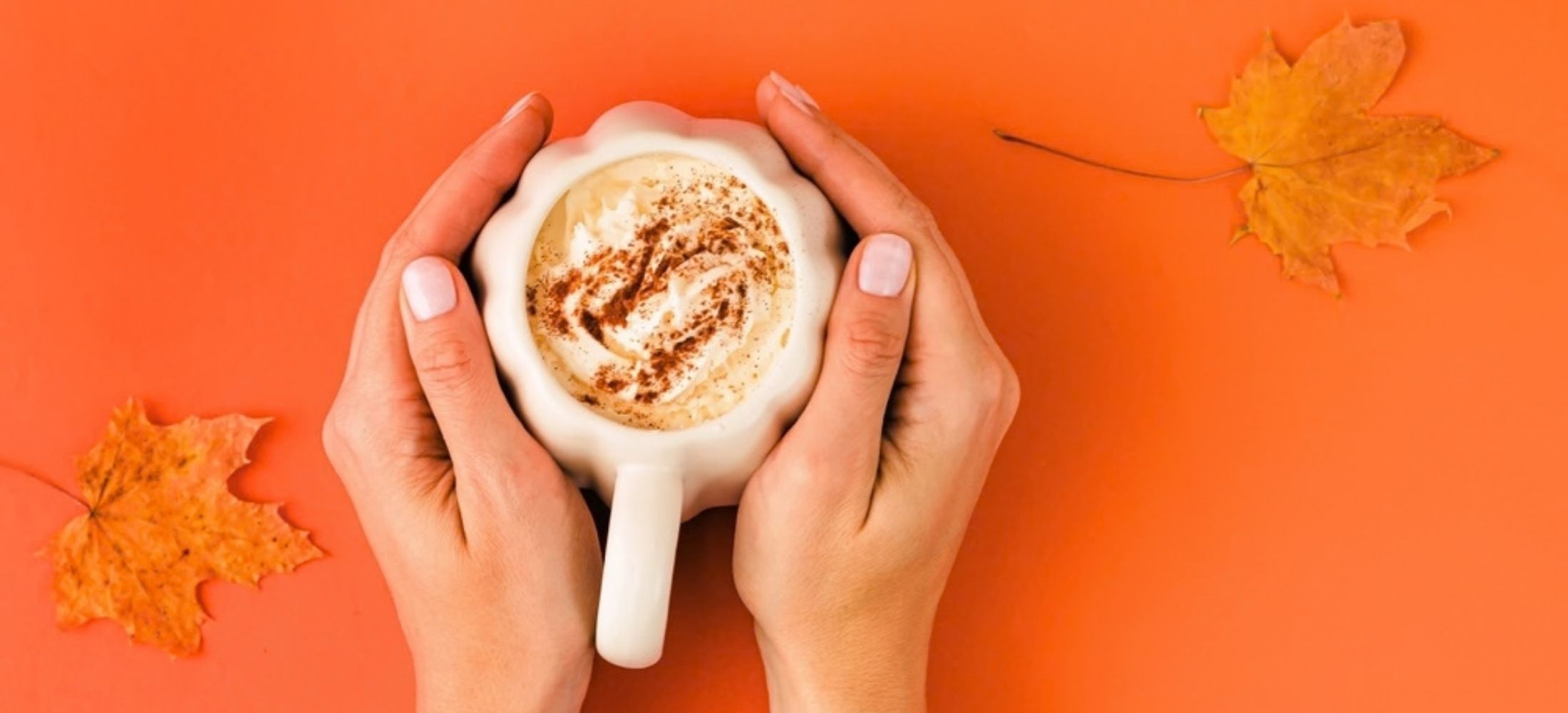
Could your pumpkin spice latte be giving you heartburn?
Peer reviewed by Dr Colin Tidy, MRCGPAuthored by Victoria RawOriginally published 6 Oct 2026
Meets Patient’s editorial guidelines
- DownloadDownload
- Share
- Language
- Discussion
- Audio Version
- Add to preferred sources on Google
Autumn brings crisp leaves, cosy fireplaces and, of course, the return of the pumpkin spice latte.
But if you’re taking weight loss medication, your favourite seasonal drink could leave you with more than just a pleasant aftertaste.
Why pumpkin spice lattes may be harder on your stomach
When certain seasons roll around, it can feel almost impossible not to get involved. Autumn and Christmas, in particular, inspire cravings for comforting, warming foods and delicious drinks - and few autumn classics hit the spot quite like the pumpkin spice latte.
However, pharmacist Sobia Qasim warns that this flavoursome and popular coffee drink could be quietly exacerbating heartburn, particularly in people taking weight loss medication.
The Superintendent Pharmacist at Curley explains that the combination of coffee, cream, and a generous serving size may be harder on the stomach for people already experiencing digestive side effects.
Sobia Qasim

Weight loss medicines that slow down how quickly your stomach empties - for example, Mounjaro, which contains terzepatide - can sometimes lead to digestive symptoms such as heartburn and acid reflux. Coffee and high-fat foods can also make reflux worse for some people. So, the concern is more about these known triggers than any direct link between pumpkin spice lattes and weight loss medicines.
“A large seasonal latte can combine coffee, a substantial amount of milk, and a generous cream topping,” says Qasim. “If you are already experiencing heartburn while taking a weight loss injection, that combination may be uncomfortable.
“People vary in what they can tolerate. You do not automatically need to give up your favourite autumn drink, but noticing whether symptoms follow a particular order can help you work out what to change.”
How to enjoy autumn without giving up your favourite drink
If you’re taking weight loss medication and/or are prone to heartburn, you don’t necessarily have to say goodbye to one of your much-loved autumn traditions. A few simple changes may help you enjoy the season while being kinder to your stomach.
Qasim shares five practical tips for people who notice heartburn after enjoying seasonal drinks.
1. Cut down on size
Although it might seem like just a drink, a large latte can contain a significant volume of liquid, adding to the overall amount you consume throughout the day. If you usually order a large pumpkin spice drink, try choosing a smaller size to see whether this makes a difference to your symptoms.
Qasim notes that the NHS recommends avoiding large drinks with meals if you’re susceptible to acid reflux.
2. Be mindful of extra additions
Pumpkin spice lattes often come with whipped cream and a generous amount of milk. Qasim says that higher-fat ingredients such as these can trigger acid reflux.
She suggests asking for your drink without whipped cream and checking whether a lower-fat milk option is available. This may reduce the chance of your drink aggravating your stomach.
While making these changes might not stop your heartburn completely, they can help you identify which ingredients may be contributing to your symptoms.
3. Assess the effects of caffeine
Cream, milk, and portion size aside, it’s also worth considering whether the caffeine in your autumn drink could be making your heartburn worse.
If your symptoms continue despite making the changes above, you could try cutting back on caffeine or switching to a decaffeinated version.
Qasim explains that going decaf isn’t necessarily a one-size-fits-all solution, particularly if milk, cream, or the size of your drink also affects your symptoms. However, health professionals, including Cambridge University Hospitals, advise some people with heartburn to reduce their caffeine intake to help manage symptoms.
4. Timing may be important
The time of day you have your pumpkin spice latte may also affect your heartburn. For example, having a rich drink alongside a large evening meal may be more likely to cause discomfort.
Qasim suggests remaining upright after eating and avoiding meals within three to four hours of bedtime, particularly for people whose reflux is worse at night.
5. Peppermint isn’t always the answer
Many people turn to peppermint tea when trying to ease acid reflux. While it may work for some people, Qasim says that swapping coffee for peppermint tea could actually worsen acid reflux in others.
Again, it’s important to monitor your symptoms and take note of whether your heartburn improves or worsens when you change what you drink.
“If heartburn keeps happening, speak to your pharmacist or prescriber,” Qasim advises. “You should not have to put up with symptoms that regularly affect eating or sleep.
“Keeping a brief note of your drink, portion size, and when symptoms appear can make that conversation more useful.”
Whether you’re taking weight loss medication or not, Qasim concludes that if you have certain symptoms, you should speak to your doctor or seek prompt medical advice.
These include:
Heartburn most days.
Difficulty swallowing.
Being sick (vomiting) regularly.
Severe or persistent abdominal pain - in particular, pain that spreads to your back needs urgent medical attention and should not be dismissed as ordinary indigestion.
Patient picks for General digestive health
Digestive health
Acid reflux diet: foods to eat and avoid
If you have a burning pain in your chest or travelling up your throat after eating, you're probably experiencing acid reflux - a feeling more commonly described as heartburn. Some foods are more likely to trigger this annoying and uncomfortable symptom. So, if it keeps revisiting you after meals, it may help to look at how you eat as well as what you eat.
by Lynn Stephen
Digestive health
Is it really reflux? Why you might be mis-prescribed PPIs
Remember when being mis-sold PPI was a thing? Well, have you heard of being mis-prescribed PPI? Proton pump inhibitors - or PPIs - are medicines that reduce the amount of acid your stomach produces. They’re typically prescribed for gastro-oesophageal reflux disease (GORD), more commonly known as heartburn or long-term acid reflux. Up to 20% of people in the UK have GORD, and around 10 million are prescribed PPIs to manage their symptoms. However, according to new survey commissioned by The Functional Gut Clinic, many people are being prescribed PPIs for GORD without undergoing formal tests to confirm the condition.
by Victoria Raw
About the authorView full bio

Victoria Raw
Feature Writer
BA (Hons), English Literature
Victoria is a content writer at Patient, with special interests spanning mental wellbeing, societal trends and the impact of technology on our health.
About the reviewerView full bio

Dr Colin Tidy, MRCGP
General Practitioner, Medical Author
MBBS, MRCGP, MRCP (Paediatrics), DCH
Dr Colin Tidy is an NHS Doctor, based in Oxfordshire.
Article history
Article also available in English, German, Spanish, French, Italian, Portuguese, Hindi, Hebrew, Arabic, and Swedish.
Next review due: 6 Oct 2029
6 Oct 2026 | Originally published
Authored by:
Victoria RawPeer reviewed by
Dr Colin Tidy, MRCGP
Join the conversation
Share your thoughts or experiences with others in our patient communities.

Ask, share, connect.
Browse discussions, ask questions, and share experiences across hundreds of health topics.

Feeling unwell?
Assess your symptoms online for free
Sign up to the Patient newsletter
Your weekly dose of clear, trustworthy health advice - written to help you feel informed, confident and in control.
By subscribing you accept our Privacy Policy. You can unsubscribe at any time. We never sell your data.
More in digestive health
- 6 natural remedies for constipation
- Appendicitis in children: what are the signs?
- C-section babies have different gut bacteria to those born vaginally
- Common causes of an itchy bottom
- Common causes of diarrhoea
- Crohn's disease in children: How to support your child
- Fatty liver diet: foods to eat and avoid
- Gallstones diet: foods to eat and avoid
- UpdatedHeartburn at night: how to improve sleep quality with heartburn
- How IBS affects sex, dating and relationships
- How to avoid traveller’s diarrhoea
- How to get rid of threadworms
- Norovirus - when to see a doctor
- What does your poo say about you?
- What is small intestinal bacterial overgrowth (SIBO)?
- What is the link between stroke recovery and gut health?
- What it means when you constantly need to burp
- What it's like to have an invisible disability
- What to eat and avoid for heartburn
- What's autoimmune hepatitis and how does it differ from other forms?