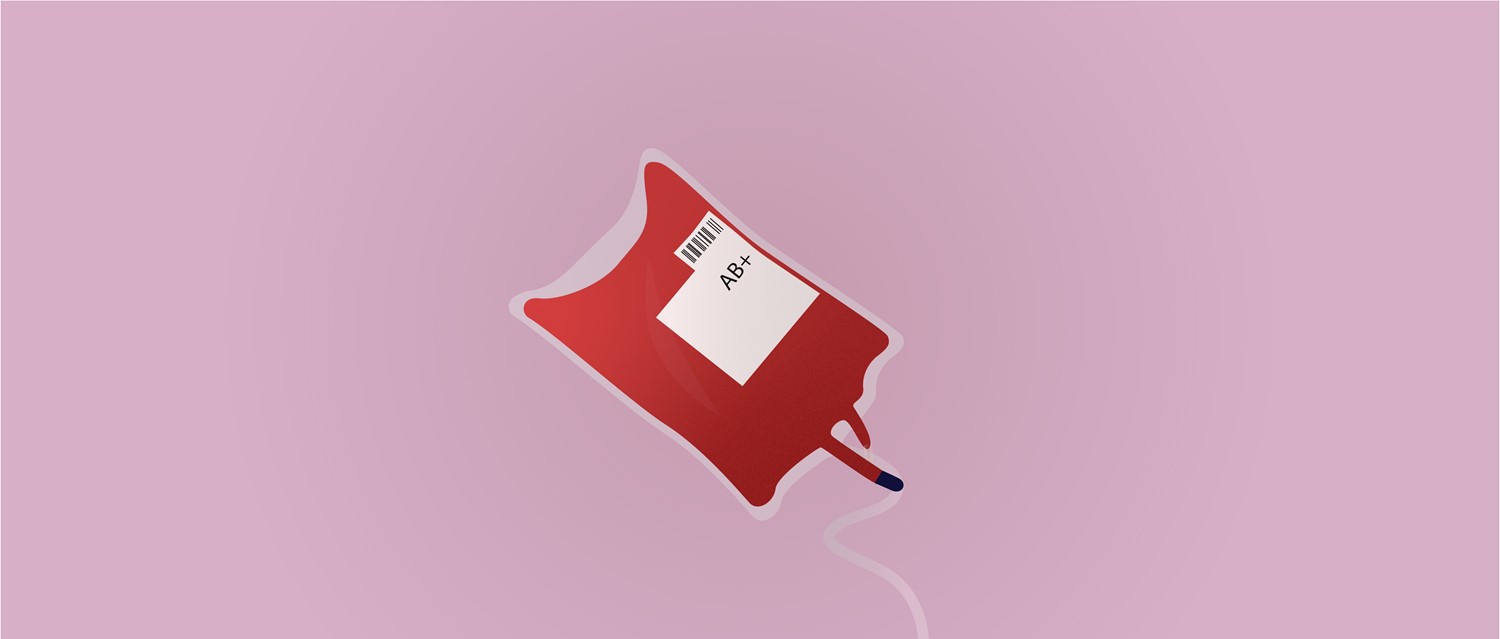
Qué esperar cuando donas sangre
Revisado por Dra. Sarah JarvisEscrito por Kerry Taylor-SmithPublicado originalmente 7 Jan 2019
Cumple con las directrices editoriales
- DescargarDescargar
- Compartir
- Language
- Discusión
- Ask Patient
- Versión en audio
- Agregar a fuentes preferidas en Google
Un nuevo año se ve como un nuevo comienzo, y para muchos es un momento para decidir dejar algo o comenzar algo nuevo. Para mí, 2018 fue el año en que iba a empezar a donar sangre.
Selecciones de videos para Sangre y trastornos sanguíneosBiblioteca de videos
I'd been thinking about donating blood for a while; it seemed like such an easy thing to do to help people who needed it for whatever reason. I made numerous excuses - no convenient locations, too much work - but really my dislike of needles stopped me; the idea of having a rather large needle stuck in my arm filled me with dread.
This aversion can be a big stumbling block for many who want to give blood, but actually it doesn't hurt at all; there is a sharp scratch and it's a tad uncomfortable but it's not painful in the slightest.
Does it hurt?
"I was worried that it would hurt initially or that I wouldn't qualify, but it didn't hurt as much as I thought and I really feel proud of myself for managing it," explains Emily Dormer, a student at the University of Nottingham.
"I started donating blood when I was 17 and I've donated six times - the last time was on my 20th birthday," states Emily. "I did so in remembrance of my grandfather who died in October 2018 and received 75 units of blood throughout the course of his treatment for cancer."
Most people can give blood, and each donation can improve or save up to three lives. As long as you are fit and healthy, weigh between 7 stone 12 lbs and 25 stone, and are aged between 17 and 66 (up to 70 if you have given blood before) you should be able to give blood.
Men often make ideal donors: their blood is particularly useful to make plasma and platelets used to stop bleeding after injury or surgery. Men are also more likely to have lots of iron and so can donate more regularly than women - every 12 weeks compared to 16 for women.
Who shouldn't give blood?
There are a few exemptions; you shouldn't donate if you are HIV+, a hepatitis B or C carrier, HTLV+ (human T-cell leukemia-lymphoma virus), you have ever been treated for syphilis, or have injected or been injected with drugs such as bodybuilding drugs or tanning agents. More information on who can and can't donate is available on the Give Blood website.
Many potential donors believe they can't give blood if they have tattoos or piercings, which is incorrect says Chloe Hixon, donor marketing operations manager -east region, Sangre y Trasplantes del NHS.
"You can give blood if you have had tattoos or body piercings, which people may be surprised to hear. We ask that you wait for four months from the date of your body piercing or tattoo (including semi-permanent make-up and microdermabrasion) before you give blood. This is a common myth and it puts off more of our younger donors."
What if you're vegan?
"Another misconception is that vegetarians can’t donate blood; this is not the case," continues Hixon. "The red blood cells, which require iron from the stores in your body, will need to be replaced after the donation. Provided you eat a well-balanced diet you should be able to replenish your iron supply within a month. However, this may take longer because you are a vegetarian. This is nothing to worry about though as it will replenish in time.
Another myth is that you can't give blood if you've had the vacuna contra la gripe.
"You can donate provided you feel well any time after the injection (on the same day is fine too). You must feel completely well. If you have had the flu jab as a priority because of underlying health issues, please check that it is OK for you to donate with those," says Hixon.
Over half of all blood donors are aged 55 and over. It's really important that younger people come forward to donate to ensure there are enough blood donors in the future. Around 200,000 new donors are needed every year to replace those no longer able to donate, and 25,000 more male donors are needed across the country.
Qué esperar
Donating blood takes less than an hour, with the donation itself only taking 5-10 minutes. Upon arrival, you answer a health questionnaire to make sure you can give blood, and your iron levels are checked with a pinprick test.
Then, you are taken to a specially designed chair to give your donation. Once finished, there are free drinks and snacks, before getting on with the rest of your day.
Blood donation is anonymous, but a few days after donating you will receive a text message thanking you for your donation and letting you know which hospital has received your blood.
"A lot of students and young people say they want to donate but never get around to it. I have donated with my friends before and made a real trip out of it," says Emily. "It doesn't take long and the staff are always so lovely with plenty of biscuits. I would recommend it to anyone - especially when someone you love benefits from blood transfusions, you truly see the good it does.”
To register and to book an appointment to donate, visit www.blood.co.uk or download the NHS Give Blood app for mobiles and tablets.
Selecciones del paciente para Sangre y trastornos sanguíneos
Alergias, sangre y sistema inmunológico
¿Cuáles son los signos de advertencia temprana del cáncer de sangre?
Los cánceres de sangre representan aproximadamente el 10% de todos los casos de cáncer en el Reino Unido. Pero aunque se diagnostica a un gran número de pacientes cada año, todavía hay una falta general de comprensión de los síntomas de advertencia de la enfermedad.
por Natalie Healey
Alergias, sangre y sistema inmunológico
Qué esperar cuando donas sangre
Un nuevo año se ve como un nuevo comienzo, y para muchos es un momento para decidir dejar algo o comenzar algo nuevo. Para mí, 2018 fue el año en que iba a empezar a donar sangre.
por Kerry Taylor-Smith
Sobre el autorVer biografía completa
Escrito por

Kerry Taylor-Smith
Periodista freelance
BSc (Hons) Natural Sciences
Kerry ha sido escritora, editora y correctora freelance desde 2016; se especializa en temas relacionados con la ciencia y la salud.
Acerca del revisorVer biografía completa

Dra. Sarah Jarvis
Consultora Clínica
MA (Cantab), BM, BCh (Oxon), DRCOG, FRCGP, MBE
Después de formarse en medicina en Cambridge y Oxford, la Dra. Sarah Jarvis MBE se convirtió en médica general.
Historial del artículo
Artículo también disponible en Inglés, Alemán, Español, Francés, Italiano, Portugués, Hindi, Hebreo, Árabe, y Sueco.
7 Jan 2019 | Publicado originalmente
Escrito por:
Kerry Taylor-SmithRevisado por
Dra. Sarah Jarvis
Comparte tus pensamientos o experiencias con otros en nuestro comunidades de pacientes.
Suscríbete al boletín de Patient
Tu dosis semanal de consejos de salud claros y confiables, escritos para ayudarte a sentirte informado, seguro y en control.
Al suscribirte aceptas nuestros Política de Privacidad. Puedes darte de baja en cualquier momento. Nunca vendemos tus datos.