tripeptidyl peptidase 1
Última actualización 4 de mayo de 2023
Cumple con las directrices editoriales
- DescargarDescargar
- Compartir
- Language
- Discusión
- Ask Patient
- Versión en audio
- Agregar a fuentes preferidas en Google
El TPP1 gene provides instructions for making an enzyme called tripeptidyl peptidase 1. This enzyme is produced as an inactive enzyme, called a proenzyme, which has an extra segment attached. This segment must be removed, followed by additional processing steps, for the enzyme to become active. The active tripeptidyl peptidase 1 enzyme is found in cell structures called lysosomes, which digest and recycle different types of molecules. Tripeptidyl peptidase 1 acts as a peptidase, which means that it breaks down protein fragments, known as peptides, into their individual building blocks (amino acids). Specifically, tripeptidyl peptidase 1 cuts (cleaves) peptides into groups of three amino acids.
Selecciones de videos para GenesBiblioteca de videos
Normal function
El TPP1 gene provides instructions for making an enzyme called tripeptidyl peptidase 1. This enzyme is produced as an inactive enzyme, called a proenzyme, which has an extra segment attached. This segment must be removed, followed by additional processing steps, for the enzyme to become active. The active tripeptidyl peptidase 1 enzyme is found in cell structures called lysosomes, which digest and recycle different types of molecules. Tripeptidyl peptidase 1 acts as a peptidase, which means that it breaks down protein fragments, known as peptides, into their individual building blocks (amino acids). Specifically, tripeptidyl peptidase 1 cuts (cleaves) peptides into groups of three amino acids.
Conditions referring to this gene or chromosome
Otros nombres
cell growth-inhibiting gene 1 protein
CLN2
GIG1
growth-inhibiting protein 1
LPIC
lysosomal pepstatin insensitive protease
TPP-1
TPP1_HUMAN
tripeptidyl aminopeptidase
tripeptidyl peptidase I
tripeptidyl-peptidase 1
tripeptidyl-peptidase 1 preproprotein
Related patient information and medicines

Patient information leaflet
Viajar a lugares remotos
Remote travel is easy and accessible. However, once you get to your destination you may be in a very different environment from the one you're used to. Before travelling, consult the Foreign and Commonwealth Oficina (FCO) website (see under 'Further Reading and References' below) for advice on travelling to your destination. There could ....

Patient information leaflet
Inmunización contra la gripe
Influenza (flu) Flu is a common viral infection that tends to be most common in the winter. Flu can cause much more severe symptoms than the common cold Common cold. Some people can become seriously ill with flu, needing hospital treatment, and it can be life-threatening. Certain groups of people, such as older adults and young children, are at.

Patient information leaflet
Arteritis de células gigantes
Relapses can be common after stopping or reducing the steroid dose. People being prescribed long-term esteroides will usually also be prescribed calcium and medication to protect the stomach ( proton pump inhibitors Proton pump inhibitors ). Other treatments Studies have shown that the use of a medication called tocilizumab alongside the steroids.

Patient information leaflet
Inmunización neumocócica
Neumococo puede cause diseases como pneumonia, meningitis and blood infections. Children aged under 2 years should receive the vaccine. You should consider pneumococcal immunisation if you are aged over 65 years or have certain diseases of the lung, heart, kidney, liver and ... What is the pneumococcus. Pneumococcus is a germ (bacterium) which.

Patient information leaflet
Neuralgia posherpética
Neuralgia posherpética is a pain that persists in some people who have had shingles. It often eases and goes over time. Medication can often ease the pain. What is postherpetic neuralgia. Postherpetic neuralgia (PHN) is a nerve pain (neuralgia) that persists after the shingles rash has cleared. If the pain from shingles goes but then returns at a.
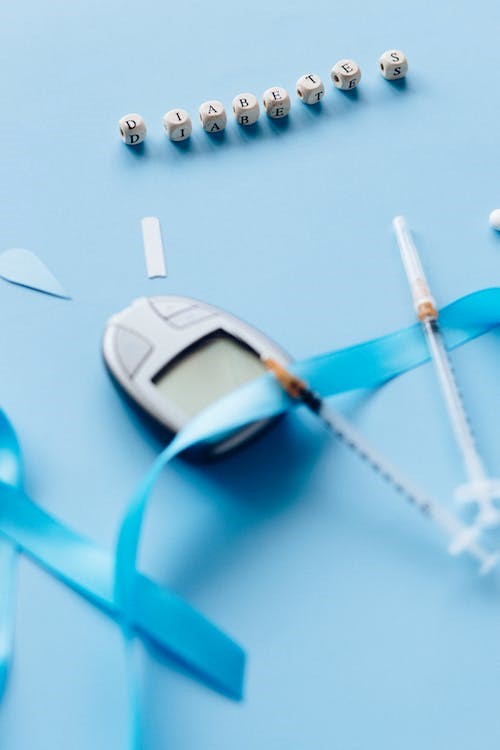
Patient information leaflet
Tratamiento para la diabetes tipo 2
The rest of this leaflet is about medications to control blood glucose. DPP-4 (dipeptidyl peptidase-4) inhibitors - also known as incretin enhancers This group includes alogliptin Alogliptin tablets for diabetes , linagliptin Linagliptin tablets for diabetes , saxagliptin Saxagliptin for diabetes , sitagliptin Sitagliptin for diabetes and.
Lecturas adicionales y referencias
- tripeptidyl peptidase 1; MedlinePlus, National Library of Medicine.
- Elleder M, Dvorakova L, Stolnaja L, Vlaskova H, Hulkova H, Druga R, Poupetova H, Kostalova E, Mikulastik J. Atypical CLN2 with later onset and prolonged course: a neuropathologic study showing different sensitivity of neuronal subpopulations to TPP1 deficiency. Acta Neuropathol. 2008 Jul;116(1):119-24. doi: 10.1007/s00401-008-0349-3. Epub 2008 Feb 19.
- Fietz M, AlSayed M, Burke D, Cohen-Pfeffer J, Cooper JD, Dvorakova L, Giugliani R, Izzo E, Jahnova H, Lukacs Z, Mole SE, Noher de Halac I, Pearce DA, Poupetova H, Schulz A, Specchio N, Xin W, Miller N. Diagnosis of neuronal ceroid lipofuscinosis type 2 (CLN2 disease): Expert recommendations for early detection and laboratory diagnosis. Mol Genet Metab. 2016 Sep;119(1-2):160-7. doi: 10.1016/j.ymgme.2016.07.011. Epub 2016 Jul 25.
- Guhaniyogi J, Sohar I, Das K, Stock AM, Lobel P. Crystal structure and autoactivation pathway of the precursor form of human tripeptidyl-peptidase 1, the enzyme deficient in late infantile ceroid lipofuscinosis. J Biol Chem. 2009 Feb 6;284(6):3985-97. doi: 10.1074/jbc.M806943200. Epub 2008 Nov 26.
- Kohan R, Carabelos MN, Xin W, Sims K, Guelbert N, Cismondi IA, Pons P, Alonso GI, Troncoso M, Witting S, Pearce DA, Dodelson de Kremer R, Oller-Ramirez AM, Noher de Halac I. Neuronal ceroid lipofuscinosis type CLN2: a new rationale for the construction of phenotypic subgroups based on a survey of 25 cases in South America. Gene. 2013 Mar 1;516(1):114-21. doi: 10.1016/j.gene.2012.12.058. Epub 2012 Dec 22.
- Pal A, Kraetzner R, Gruene T, Grapp M, Schreiber K, Gronborg M, Urlaub H, Becker S, Asif AR, Gartner J, Sheldrick GM, Steinfeld R. Structure of tripeptidyl-peptidase I provides insight into the molecular basis of late infantile neuronal ceroid lipofuscinosis. J Biol Chem. 2009 Feb 6;284(6):3976-84. doi: 10.1074/jbc.M806947200. Epub 2008 Nov 26.
- Sun Y, Almomani R, Breedveld GJ, Santen GW, Aten E, Lefeber DJ, Hoff JI, Brusse E, Verheijen FW, Verdijk RM, Kriek M, Oostra B, Breuning MH, Losekoot M, den Dunnen JT, van de Warrenburg BP, Maat-Kievit AJ. Autosomal recessive spinocerebellar ataxia 7 (SCAR7) is caused by variants in TPP1, the gene involved in classic late-infantile neuronal ceroid lipofuscinosis 2 disease (CLN2 disease). Hum Mutat. 2013 May;34(5):706-13. doi: 10.1002/humu.22292. Epub 2013 Mar 11.
Comparte tus pensamientos o experiencias con otros en nuestro comunidades de pacientes.
Acceso sencillo a tratamientos y servicios de salud confiables en línea.
Common conditions
Get help with common conditions through the NHS, without a GP appointment.
 Sinusitis aguda
 Amigdalitis bacteriana
 Impetigo
 Picaduras de insectos
 Herpes zósterInfección del tracto urinario (ITU)
Suscríbete al boletín de Patient
Tu dosis semanal de consejos de salud claros y confiables, escritos para ayudarte a sentirte informado, seguro y en control.
Al suscribirte aceptas nuestros Política de Privacidad. Puedes darte de baja en cualquier momento. Nunca vendemos tus datos.