dihydropyrimidine dehydrogenase
Última actualización 18 Aug 2020
Cumple con las directrices editoriales
- DescargarDescargar
- Compartir
- Language
- Discusión
- Versión en audio
- Agregar a fuentes preferidas en Google
El DPYD gene provides instructions for making an enzyme called dihydropyrimidine dehydrogenase, which is involved in the breakdown of molecules called uracil and thymine when they are not needed. Uracil and thymine are pyrimidines, which are one type of nucleotide. Nucleotides are building blocks of DNA, its chemical cousin RNA, and molecules such as ATP and GTP that serve as energy sources in the cell.
Normal function
El DPYD gene provides instructions for making an enzyme called dihydropyrimidine dehydrogenase, which is involved in the breakdown of molecules called uracil and thymine when they are not needed. Uracil and thymine are pyrimidines, which are one type of nucleotide. Nucleotides are building blocks of DNA, its chemical cousin RNA, and molecules such as ATP and GTP that serve as energy sources in the cell.
Dihydropyrimidine dehydrogenase is involved in the first step of the breakdown of pyrimidines. This enzyme converts uracil to another molecule called 5,6-dihydrouracil and converts thymine to 5,6-dihydrothymine. The molecules created when pyrimidines are broken down are excreted by the body or used in other cellular processes.
Conditions referring to this gene or chromosome
Otros nombres
DHP
DHPDHASE
dihydropyrimidine dehydrogenase [NADP+]
dihydrothymine dehydrogenase
dihydrouracil dehydrogenase
DPD
DPYD_HUMAN
MGC132008
MGC70799
Related patient information and medicines

Patient information leaflet
Cáncer testicular
Cáncer testicular es a cancer that arises from a testicle (testis). Around half of all cases occur in men aged under 35 but testicular cancer rarely occurs before puberty. Another useful test i... The tumour markers commonly tested for are alpha-fetoprotein (AFP), beta human chorionic gonadotrophin (beta-hCG), lactic dehydrogenase (LDH) and.

Patient information leaflet
Planificación para quedar embarazada
Ácido fólico es a vitamin which occurs naturally in certain foods such as spinach, sprouts, broccoli, green beans and potatoes. Some bread and breakfast cereals are fortified with folic acid. However, the intake for each individual can vary. Pregnant women need a good supply of folic acid to help with the development of the baby. Folic acid tablets.

Patient information leaflet
prueba del talón del recién nacido
Mothers of all newborn babies are offered testing for certain rare but serious health conditions by testing blood taken from the baby's heel. Medium-chain acyl-Co-A dehydrogenase deficiency (MCADD)- this is a very rare, but potentially life-threatening, inherited disorder, where fat cannot be broken down by the body as well as usual. Babies with.

Patient information leaflet
Ictericia
Jaundice means that the skin and other body parts turn a yellow colour. It is vital to diagnose the cause of jaundice and therefore important to always seek medical help. Ictericia is due to a build-up of a chemical called bilirubin in the tissues of the body. Conditions that cause an increased rate of breakdown of red blood cells include: Some.
Patient information leaflet
Gota
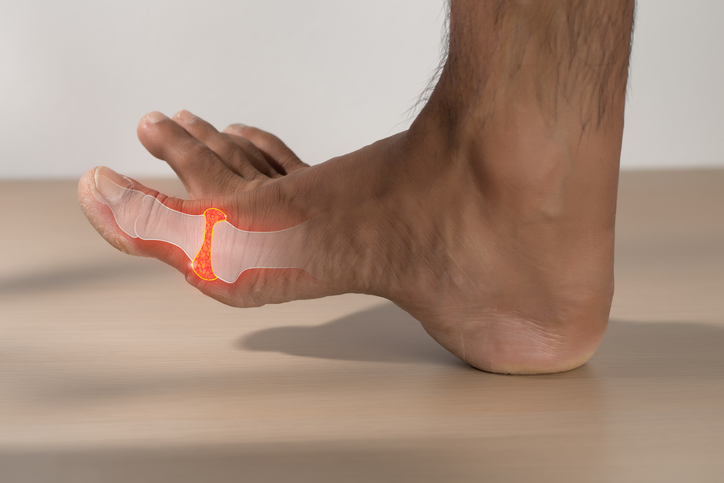
What causes gout. Gota is caused by a chemical in the blood, called uric acid (urate). Uric acid is usually harmless and is made in the body. Most is passed out with the urine and some from the gut with the stools. Lipid disorders (especially hypertriglyceridaemia). Vascular disease. Enzyme defects such as hypoxanthine guanine.

Patient information leaflet
¿Puedo tomar garra del diablo y vitamina C juntos?
Kidney stones (oxalate) High doses of vitamin C can increase the amount of oxalate in your urine, significantly raising the risk of developing kidney stones, especially if you have a history of them. G6PD deficiency If you have glucose-6-phosphate dehydrogenase (G6PD) deficiency, high doses of vitamin C can cause your red blood cells to break down.
Lecturas adicionales y referencias
- dihydropyrimidine dehydrogenase; MedlinePlus, National Library of Medicine.
- Al-Sanna'a NA, Van Kuilenburg AB, Atrak TM, Abdul-Jabbar MA, Van Gennip AH. Dihydropyrimidine dehydrogenase deficiency presenting at birth. J Inherit Metab Dis. 2005;28(5):793-6. doi: 10.1007/s10545-005-4218-0.
- Ciccolini J, Gross E, Dahan L, Lacarelle B, Mercier C. Routine dihydropyrimidine dehydrogenase testing for anticipating 5-fluorouracil-related severe toxicities: hype or hope? Clin Colorectal Cancer. 2010 Oct;9(4):224-8. doi: 10.3816/CCC.2010.n.033.
- Mattison LK, Fourie J, Desmond RA, Modak A, Saif MW, Diasio RB. Increased prevalence of dihydropyrimidine dehydrogenase deficiency in African-Americans compared with Caucasians. Clin Cancer Res. 2006 Sep 15;12(18):5491-5. doi: 10.1158/1078-0432.CCR-06-0747.
- Saif MW, Mattison L, Carollo T, Ezzeldin H, Diasio RB. Dihydropyrimidine dehydrogenase deficiency in an Indian population. Cancer Chemother Pharmacol. 2006 Sep;58(3):396-401. doi: 10.1007/s00280-005-0174-5. Epub 2006 Jan 19.
- van Kuilenburg AB, De Abreu RA, van Gennip AH. Pharmacogenetic and clinical aspects of dihydropyrimidine dehydrogenase deficiency. Ann Clin Biochem. 2003 Jan;40(Pt 1):41-5. doi: 10.1258/000456303321016150.
- van Kuilenburg AB, Dobritzsch D, Meinsma R, Haasjes J, Waterham HR, Nowaczyk MJ, Maropoulos GD, Hein G, Kalhoff H, Kirk JM, Baaske H, Aukett A, Duley JA, Ward KP, Lindqvist Y, van Gennip AH. Novel disease-causing mutations in the dihydropyrimidine dehydrogenase gene interpreted by analysis of the three-dimensional protein structure. Biochem J. 2002 May 15;364(Pt 1):157-63. doi: 10.1042/bj3640157.
- van Kuilenburg AB, Meijer J, Mul AN, Hennekam RC, Hoovers JM, de Die-Smulders CE, Weber P, Mori AC, Bierau J, Fowler B, Macke K, Sass JO, Meinsma R, Hennermann JB, Miny P, Zoetekouw L, Vijzelaar R, Nicolai J, Ylstra B, Rubio-Gozalbo ME. Analysis of severely affected patients with dihydropyrimidine dehydrogenase deficiency reveals large intragenic rearrangements of DPYD and a de novo interstitial deletion del(1)(p13.3p21.3). Hum Genet. 2009 Jun;125(5-6):581-90. doi: 10.1007/s00439-009-0653-6. Epub 2009 Mar 19.
- Van Kuilenburg AB, Vreken P, Abeling NG, Bakker HD, Meinsma R, Van Lenthe H, De Abreu RA, Smeitink JA, Kayserili H, Apak MY, Christensen E, Holopainen I, Pulkki K, Riva D, Botteon G, Holme E, Tulinius M, Kleijer WJ, Beemer FA, Duran M, Niezen-Koning KE, Smit GP, Jakobs C, Smit LM, Van Gennip AH, et al. Genotype and phenotype in patients with dihydropyrimidine dehydrogenase deficiency. Hum Genet. 1999 Jan;104(1):1-9. doi: 10.1007/pl00008711.
Únete a la conversación
Comparte tus pensamientos o experiencias con otros en nuestro comunidades de pacientes.

Pregunta, comparte, conecta.
Navega por discusiones, haz preguntas y comparte experiencias en cientos de temas de salud.
Suscríbete al boletín de Patient
Tu dosis semanal de consejos de salud claros y confiables, escritos para ayudarte a sentirte informado, seguro y en control.
Al suscribirte aceptas nuestros Política de Privacidad. Puedes darte de baja en cualquier momento. Nunca vendemos tus datos.