CLN1 disease
Última actualización 3 Apr 2025
Cumple con las directrices editoriales
- DescargarDescargar
- Compartir
- Language
- Discusión
- Ask Patient
- Versión en audio
- Agregar a fuentes preferidas en Google
CLN1 disease is an inherited disorder that primarily affects the nervous system. Individuals with this condition have normal development in infancy, but typically by 18 months they become increasingly irritable and begin to lose previously acquired skills (developmental regression). In affected children, nerve cells in the brain die over time, leading to an overall loss of brain tissue (brain atrophy) and an unusually small head (microcephaly). Children with CLN1 disease have decreased muscle tone (hypotonia), intellectual and motor disability, and rarely are able to speak or walk. Some affected children develop repetitive hand movements. By age 2, individuals with this condition often have muscle twitches (myoclonus), recurrent seizures (epilepsy), and vision loss. Some affected children develop frequent respiratory infections. As the condition worsens, children have severe feeding difficulties that often require a feeding tube. Children with CLN1 disease usually do not survive past childhood.
Selecciones de videos para Condiciones genéticasBiblioteca de videos
Descripción
CLN1 disease is an inherited disorder that primarily affects the nervous system. Individuals with this condition have normal development in infancy, but typically by 18 months they become increasingly irritable and begin to lose previously acquired skills (developmental regression). In affected children, nerve cells in the brain die over time, leading to an overall loss of brain tissue (brain atrophy) and an unusually small head (microcephaly). Children with CLN1 disease have decreased muscle tone (hypotonia), intellectual and motor disability, and rarely are able to speak or walk. Some affected children develop repetitive hand movements. By age 2, individuals with this condition often have muscle twitches (myoclonus), recurrent seizures (epilepsy), and vision loss. Some affected children develop frequent respiratory infections. As the condition worsens, children have severe feeding difficulties that often require a feeding tube. Children with CLN1 disease usually do not survive past childhood.
Some people with CLN1 disease do not develop symptoms until later in childhood or in adulthood. As with younger affected children, older individuals develop a decline in intellectual function, myoclonus, epilepsy, and vision loss. In these individuals, life expectancy depends on when signs and symptoms of CLN1 disease develop and their severity; affected individuals may survive only into adolescence or through adulthood. Adults with CLN1 disease may also have movement disorders, including impaired muscle coordination (ataxia) or a pattern of movement abnormalities known as parkinsonism.
CLN1 disease is one of a group of disorders known as neuronal ceroid lipofuscinoses (NCLs), which may also be collectively referred to as Batten disease. All these disorders affect the nervous system and typically cause worsening problems with vision, movement, and thinking ability. The different NCLs are distinguished by their genetic cause. Each disease type is given the designation "CLN," meaning ceroid lipofuscinosis, neuronal, and then a number to indicate its subtype.
Patrones de herencia
The source lists the following possible inheritance patterns: Autosomal recessive. More than one pattern can apply in different cases.
Related genes
Otros nombres
CLN1
Infantile Batten disease
Infantile neuronal ceroid lipofuscinosis
Neuronal ceroid lipofuscinosis 1
Neuronal ceroid lipofuscinosis, infantile
Santavuori-Haltia disease
Related patient information and medicines
Patient information leaflet
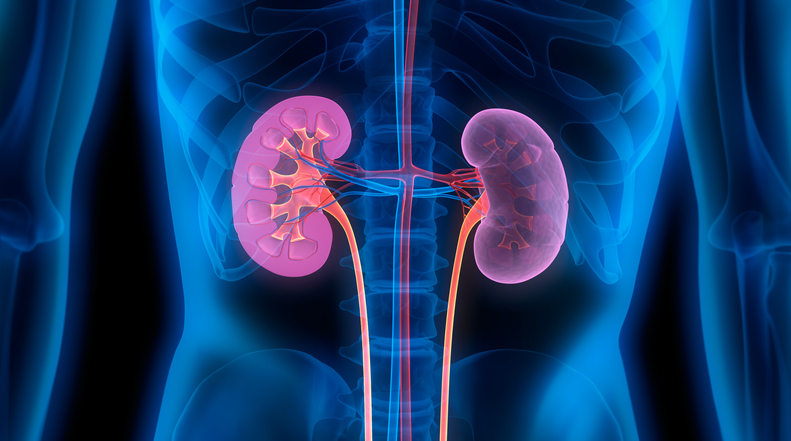
Enfermedad renal crónica
Chronic kidney disease means that the kidneys are not working as well as would be expected. Various conditions can cause chronic kidney disease. Severity can vary but most cases are mild or moderate, occur in older people and do not cause sy... What is chronic kidney disease. Chronic kidney disease (CKD) means that the kidneys are not working as.

Patient information leaflet
Evaluación del riesgo para la salud cardiovascular
Conditions that increase the risk of CVD include hypertension High blood pressure , diabetes mellitus Diabetes , chronic kidney disease Chronic kidney disease , high lipids High cholesterol , rheumatoid arthritis Rheumatoid arthritis , influenza Flu , serious mental health problems, and periodontitis (gum disease). People with type 1 diabetes.

Patient information leaflet
enfermedad de Crohn
Crohn disease is a condition that causes inflammation of the wall of the gut (gastrointestinal tract). Any part of the gut can be affected. What is Crohn's disease. Having an episode of gastroenteritis Gastroenteritis (risk is associated with the fir... How common is Crohn's disease. Crohn's disease is newly diagnosed in about 1 in 10,000 people.

Patient information leaflet
Enfermedad renal diabética
Enfermedad renal diabética es un complication that occurs in some personas con diabetes. Treatment aims to prevent or delay the progression of the disease. Diabetic kidney disease (diabetic nephropathy) es un complication that occurs in some people with diabetes. Diabetic kidney disease is one of the causes of chronic kidney disease Chronic kidney.

Patient information leaflet
Enfermedades relacionadas con el asbesto
People exposed to asbestos can develop diseases in later life. These most commonly affect the lungs but can also affect the lining of the tummy (abdomen). Some conditions - for example, mesothelioma or lung cancer - are more serious than others. This leaflet gives a brief overview of the diseases that are related to having an exposure to asbestos.
Patient information leaflet
Enfermedad inflamatoria intestinal
Inflammatory Bowel Disease (IBD) is a term used to describe people who either have either of the two main types of IBD (Crohn's disease y ulcerative colitis). Both these conditions can cause inflammation of the colon and rectum (large bowel or large intestine) with similar symptoms, such as bloody diarrhoea, tummy (abdominal) pain, weight loss.
Lecturas adicionales y referencias
- CLN1 disease; MedlinePlus, National Library of Medicine.
- Getty AL, Pearce DA. Interactions of the proteins of neuronal ceroid lipofuscinosis: clues to function. Cell Mol Life Sci. 2011 Feb;68(3):453-74. doi: 10.1007/s00018-010-0468-6. Epub 2010 Aug 1.
- Jalanko A, Braulke T. Neuronal ceroid lipofuscinoses. Biochim Biophys Acta. 2009 Apr;1793(4):697-709. doi: 10.1016/j.bbamcr.2008.11.004. Epub 2008 Nov 24.
- Kim SJ, Zhang Z, Sarkar C, Tsai PC, Lee YC, Dye L, Mukherjee AB. Palmitoyl protein thioesterase-1 deficiency impairs synaptic vesicle recycling at nerve terminals, contributing to neuropathology in humans and mice. J Clin Invest. 2008 Sep;118(9):3075-86. doi: 10.1172/JCI33482.
- Kollmann K, Uusi-Rauva K, Scifo E, Tyynela J, Jalanko A, Braulke T. Cell biology and function of neuronal ceroid lipofuscinosis-related proteins. Biochim Biophys Acta. 2013 Nov;1832(11):1866-81. doi: 10.1016/j.bbadis.2013.01.019. Epub 2013 Feb 9.
- Kousi M, Lehesjoki AE, Mole SE. Update of the mutation spectrum and clinical correlations of over 360 mutations in eight genes that underlie the neuronal ceroid lipofuscinoses. Hum Mutat. 2012 Jan;33(1):42-63. doi: 10.1002/humu.21624. Epub 2011 Nov 16.
- Williams RE, Mole SE. New nomenclature and classification scheme for the neuronal ceroid lipofuscinoses. Neurology. 2012 Jul 10;79(2):183-91. doi: 10.1212/WNL.0b013e31825f0547.
Comparte tus pensamientos o experiencias con otros en nuestro comunidades de pacientes.
Acceso sencillo a tratamientos y servicios de salud confiables en línea.
Common conditions
Get help with common conditions through the NHS, without a GP appointment.
 Sinusitis aguda
 Amigdalitis bacteriana
 Impetigo
 Picaduras de insectos
 Herpes zósterInfección del tracto urinario (ITU)
Suscríbete al boletín de Patient
Tu dosis semanal de consejos de salud claros y confiables, escritos para ayudarte a sentirte informado, seguro y en control.
Al suscribirte aceptas nuestros Política de Privacidad. Puedes darte de baja en cualquier momento. Nunca vendemos tus datos.