X-linked thrombocytopenia
Última actualización 18 Aug 2020
Cumple con las directrices editoriales
- DescargarDescargar
- Compartir
- Language
- Discusión
- Versión en audio
- Agregar a fuentes preferidas en Google
X-linked thrombocytopenia is a bleeding disorder that primarily affects males. This condition is characterised by a blood cell abnormality called thrombocytopenia, which is a shortage in the number of blood cells involved in clotting (platelets). Affected individuals often have abnormally small platelets as well, a condition called microthrombocytopenia. X-linked thrombocytopenia can cause individuals to bruise easily or have episodes of prolonged bleeding following minor trauma or even in the absence of injury (spontaneous bleeding). Some people with this condition experience spontaneous bleeding in the brain (cerebral hemorrhage), which can cause brain damage that can be life-threatening.
Descripción
X-linked thrombocytopenia is a bleeding disorder that primarily affects males. This condition is characterised by a blood cell abnormality called thrombocytopenia, which is a shortage in the number of blood cells involved in clotting (platelets). Affected individuals often have abnormally small platelets as well, a condition called microthrombocytopenia. X-linked thrombocytopenia can cause individuals to bruise easily or have episodes of prolonged bleeding following minor trauma or even in the absence of injury (spontaneous bleeding). Some people with this condition experience spontaneous bleeding in the brain (cerebral hemorrhage), which can cause brain damage that can be life-threatening.
Some people with X-linked thrombocytopenia also have patches of red, irritated skin (eczema) or an increased susceptibility to infections. In severe cases, additional features can develop, such as cancer or autoimmune disorders, which occur when the immune system malfunctions and attacks the body's own tissues and organs. It is unclear, however, if people with these features have X-linked thrombocytopenia or a more severe disorder with similar signs and symptoms called Wiskott-Aldrich syndrome.
Some people have a mild form of the disorder called intermittent thrombocytopenia. These individuals have normal platelet production at times with episodes of thrombocytopenia.
Patrones de herencia
The source lists the following possible inheritance patterns: X-linked recessive. More than one pattern can apply in different cases.
Related genes
Otros nombres
Thrombocytopenia 1
XLT
Related patient information and medicines

Patient information leaflet
Hemograma completo y frotis de sangre
The type of leukaemia depends on the type of whit... Too few platelets - this is called thrombocytopenia. This may make you bruise or bleed easily. Too muchos platelets - this is called thrombocythaemia ( o thrombocytosis). This is due to disorders which affect cells in the bone marrow which make platelets. Thrombocytosis is a 'soft' indicator for.

Patient information leaflet
Trastornos del almacenamiento de glucógeno
Glycogen storage disorders are inherited. If both parents are carriers of the faulty gene, the chance of each one of their children being affected by the glycogen storage disorder is 1 in 4. X-linked inheritance pattern This occurs in some people with glycogen storage disorder type IX. In this pattern of inheritance, females can be carriers for.

Patient information leaflet
Pruebas de coagulación sanguínea
Blood clotting tests are used to diagnose and assess bleeding problems and to monitor people who take warfarin or other anticoagulant medicines. You may be advised to have blood clotting tests: If you have a susp... What problems can occur. Bleeding disorders There are various conditions where you tend to bleed excessively if you damage or cut a.
Patient information leaflet
Biopsia y aspiración de médula ósea
A bone marrow biopsy is a procedure where a sample of tissue is taken from the inside of a bone. What is bone marrow, biopsy and aspiration. There are a number of reasons why you may be advised to have these tests. For example, they may be done to: Find the reason for a low number of red blood cells (anaemia), a low number of white sangre cells.
Patient information leaflet
¿Puedo tomar Quinina y Ropinirol juntos?
C... Tinnitus (ringing in the ears) or optic neuritis Stop taking quinine immediately and seek medical advice if you experience any changes to your hearing (such as ringing) or any sudden changes to your vision. Thrombocytopenia (low blood platelets) Quinine can cause a dangerous drop in blood platelets. Seek urgent medical help if you notice.
Patient information leaflet
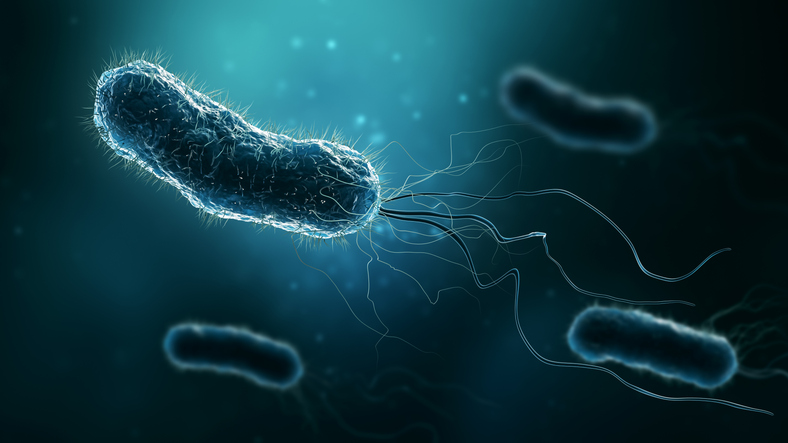
E. coli
There are various strains of E. coli germs (bacteria). It can lead to a severe gut infection with bloody diarrhoea. Also, the poison (toxin) released by VTEC O157 can cause other serious diseases such as haemolytic uraemic syndrome (HUS) and thrombotic thrombocytopenic purpura (TTP). The majority of people fully recover from a VTEC O157 infection..
Lecturas adicionales y referencias
- X-linked thrombocytopenia; MedlinePlus, National Library of Medicine.
- Albert MH, Bittner TC, Nonoyama S, Notarangelo LD, Burns S, Imai K, Espanol T, Fasth A, Pellier I, Strauss G, Morio T, Gathmann B, Noordzij JG, Fillat C, Hoenig M, Nathrath M, Meindl A, Pagel P, Wintergerst U, Fischer A, Thrasher AJ, Belohradsky BH, Ochs HD. X-linked thrombocytopenia (XLT) due to WAS mutations: clinical characteristics, long-term outcome, and treatment options. Blood. 2010 Apr 22;115(16):3231-8. doi: 10.1182/blood-2009-09-239087. Epub 2010 Feb 19.
- Andreu N, Matamoros N, Escudero A, Fillat C. Two novel mutations identified in the Wiskott-Aldrich syndrome protein gene cause Wiskott-Aldrich syndrome and thrombocytopenia. Int J Mol Med. 2007 May;19(5):777-82.
- Bourne HC, Weston S, Prasad M, Edkins E, Benson EM. Identification of WASP mutations in 10 Australian families with Wiskott-Aldrich syndrome and X-linked thrombocytopenia. Pathology. 2004 Jun;36(3):262-4. doi: 10.1080/00313020410001692521.
- Imai K, Morio T, Zhu Y, Jin Y, Itoh S, Kajiwara M, Yata J, Mizutani S, Ochs HD, Nonoyama S. Clinical course of patients with WASP gene mutations. Blood. 2004 Jan 15;103(2):456-64. doi: 10.1182/blood-2003-05-1480. Epub 2003 Sep 11.
- Jin Y, Mazza C, Christie JR, Giliani S, Fiorini M, Mella P, Gandellini F, Stewart DM, Zhu Q, Nelson DL, Notarangelo LD, Ochs HD. Mutations of the Wiskott-Aldrich Syndrome Protein (WASP): hotspots, effect on transcription, and translation and phenotype/genotype correlation. Blood. 2004 Dec 15;104(13):4010-9. doi: 10.1182/blood-2003-05-1592. Epub 2004 Jul 29.
- Lee WI, Huang JL, Jaing TH, Wu KH, Chien YH, Chang KW. Clinical aspects and genetic analysis of taiwanese patients with wiskott-Aldrich syndrome protein mutation: the first identification of x-linked thrombocytopenia in the chinese with novel mutations. J Clin Immunol. 2010 Jul;30(4):593-601. doi: 10.1007/s10875-010-9381-x. Epub 2010 Mar 16.
- Notarangelo LD, Notarangelo LD, Ochs HD. WASP and the phenotypic range associated with deficiency. Curr Opin Allergy Clin Immunol. 2005 Dec;5(6):485-90. doi: 10.1097/01.all.0000191243.25757.ce.
Únete a la conversación
Comparte tus pensamientos o experiencias con otros en nuestro comunidades de pacientes.

Pregunta, comparte, conecta.
Navega por discusiones, haz preguntas y comparte experiencias en cientos de temas de salud.
Suscríbete al boletín de Patient
Tu dosis semanal de consejos de salud claros y confiables, escritos para ayudarte a sentirte informado, seguro y en control.
Al suscribirte aceptas nuestros Política de Privacidad. Puedes darte de baja en cualquier momento. Nunca vendemos tus datos.