SCN8A-related epilepsy with encephalopathy
Última actualización 18 Aug 2020
Cumple con las directrices editoriales
- DescargarDescargar
- Compartir
- Language
- Discusión
- Versión en audio
- Agregar a fuentes preferidas en Google
SCN8A-related epilepsy with encephalopathy is a condition characterised by recurrent seizures (epilepsy), abnormal brain function (encephalopathy), and intellectual disability. The signs and symptoms of this condition typically begin in infancy.
Descripción
SCN8A-related epilepsy with encephalopathy is a condition characterised by recurrent seizures (epilepsy), abnormal brain function (encephalopathy), and intellectual disability. The signs and symptoms of this condition typically begin in infancy.
The seizures in SCN8A-related epilepsy with encephalopathy include involuntary muscle contractions that occur before age 1 (infantile spasms), partial or complete loss of consciousness (absence seizures), involuntary muscle twitches (myoclonic seizures), or loss of consciousness with muscle rigidity and convulsions (tonic-clonic seizures). Most people with SCN8A-related epilepsy with encephalopathy have more than one type of seizure. The frequency of seizures in different individuals with this condition ranges from hundreds per day to fewer than one per month. In many individuals, the seizures are described as refractory because they do not respond to therapy with anti-epileptic medications.
Other signs and symptoms of SCN8A-related epilepsy with encephalopathy include intellectual disability that may be mild to severe. Some affected infants have normal early development but begin to lose previously acquired skills (developmental regression) and have a gradual loss in thinking ability (cognitive decline) when epilepsy develops. Problems with movement are common, and about half of affected infants cannot perform intentional movements. Behaviour disorders may also occur.
In rare cases, individuals with this condition die unexpectedly for no known reason (sudden unexpected death in epilepsy or SUDEP).
Patrones de herencia
The source lists the following possible inheritance patterns: Autosomal dominant. More than one pattern can apply in different cases.
Related genes
Otros nombres
Early infantile epileptic encephalopathy 13
EIEE13
SCN8A encephalopathy
Related patient information and medicines

Patient information leaflet
Epilepsia
About 1 in 30 people in the UK develop epilepsia at some stage in their lives. However, epilepsy can begin at any age. What is epilepsy. Epilepsy is a long-lasting brain condition that causes people to have repeated seizures. It can cause different symptoms, from someone becoming unconscious and shaking, to someone behaving unusually for a short.

Patient information leaflet
Vivir con una condición a largo plazo
A long-term condition cannot be cured but its symptoms and complications may be controlled with treatment. A long-term condition is an illness that cannot be cured but can usually be controlled with medicines or other treatments. The school should be aware of the ... Asthma, diabetes and epilepsia are typical long-term conditions of which the.
Patient information leaflet
Tipos de convulsiones
A seizure is a condition caused by a sudden burst of electrical activity in the brain. There are different types of seizures. This leaflet gives some information about what your doctor may wish to know and what tests may be advised after such an event. What is a seizure. A seizure is a short episode of symptoms caused by a burst of abnormal.

Patient information leaflet
Productos medicinales a base de cannabis
Since a change in the law in 2018, some cannabis-based medicines have been available on prescription in the UK. However, there is only evidence of benefit for treating a small number of conditions. In the UK, it is licensed for people with MS-related muscle spasticity tha... Severe treatment-resistant epilepsy Epidyolex® is a highly purified.

Patient information leaflet
Epilepsia y anticoncepción
It's best to seek advice from a doctor or epilepsy nurse when you are planning to start using contraception or when considering starting a family. Some anti-epilepsy medicines have a side-effect of increasing the speed in which some contraceptive pills and injections are processed by the liver. These medicines are known as liver enzyme inducers,.
Patient information leaflet
Electroencefalograma
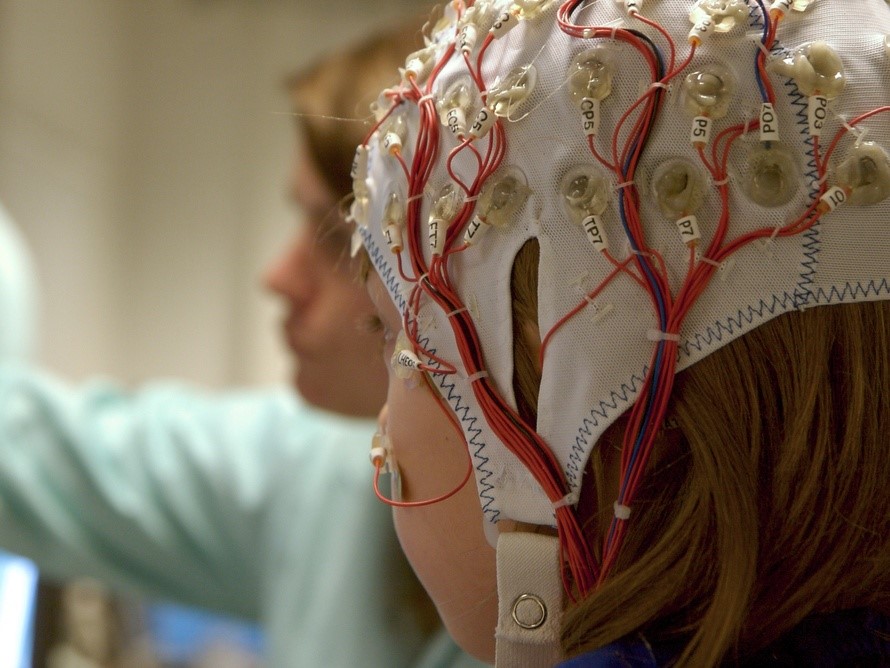
An electroencephalograph is a useful test to help diagnose epilepsy. It records the electrical activity of the brain. However, a normal result does not rule out epilepsy. Note : the information below is a general guide only. The arrangements, and the way tests are performed, may vary between different hospitals. Always follow the instructions.
Lecturas adicionales y referencias
- SCN8A-related epilepsy with encephalopathy; MedlinePlus, National Library of Medicine.
- Butler KM, da Silva C, Shafir Y, Weisfeld-Adams JD, Alexander JJ, Hegde M, Escayg A. De novo and inherited SCN8A epilepsy mutations detected by gene panel analysis. Epilepsy Res. 2017 Jan;129:17-25. doi: 10.1016/j.eplepsyres.2016.11.002. Epub 2016 Nov 6.
- Hammer MF, Xia M, Schreiber JM. SCN8A-Related Epilepsy and/or Neurodevelopmental Disorders. 2016 Aug 25 [updated 2023 Apr 6]. In: Adam MP, Bick S, Mirzaa GM, Wallace SE, Amemiya A, editors. GeneReviews(R) [Internet]. Seattle (WA): University of Washington, Seattle; 1993-2026. Available from http://www.ncbi.nlm.nih.gov/books/NBK379665/
- Larsen J, Carvill GL, Gardella E, Kluger G, Schmiedel G, Barisic N, Depienne C, Brilstra E, Mang Y, Nielsen JE, Kirkpatrick M, Goudie D, Goldman R, Jahn JA, Jepsen B, Gill D, Docker M, Biskup S, McMahon JM, Koeleman B, Harris M, Braun K, de Kovel CG, Marini C, Specchio N, Djemie T, Weckhuysen S, Tommerup N, Troncoso M, Troncoso L, Bevot A, Wolff M, Hjalgrim H, Guerrini R, Scheffer IE, Mefford HC, Moller RS; EuroEPINOMICS RES Consortium CRP. The phenotypic spectrum of SCN8A encephalopathy. Neurology. 2015 Feb 3;84(5):480-9. doi: 10.1212/WNL.0000000000001211. Epub 2015 Jan 7.
- Meisler MH, Helman G, Hammer MF, Fureman BE, Gaillard WD, Goldin AL, Hirose S, Ishii A, Kroner BL, Lossin C, Mefford HC, Parent JM, Patel M, Schreiber J, Stewart R, Whittemore V, Wilcox K, Wagnon JL, Pearl PL, Vanderver A, Scheffer IE. SCN8A encephalopathy: Research progress and prospects. Epilepsia. 2016 Jul;57(7):1027-35. doi: 10.1111/epi.13422. Epub 2016 Jun 8.
- Wagnon JL, Barker BS, Hounshell JA, Haaxma CA, Shealy A, Moss T, Parikh S, Messer RD, Patel MK, Meisler MH. Pathogenic mechanism of recurrent mutations of SCN8A in epileptic encephalopathy. Ann Clin Transl Neurol. 2015 Dec 21;3(2):114-23. doi: 10.1002/acn3.276. eCollection 2016 Feb.
Únete a la conversación
Comparte tus pensamientos o experiencias con otros en nuestro comunidades de pacientes.

Pregunta, comparte, conecta.
Navega por discusiones, haz preguntas y comparte experiencias en cientos de temas de salud.
Suscríbete al boletín de Patient
Tu dosis semanal de consejos de salud claros y confiables, escritos para ayudarte a sentirte informado, seguro y en control.
Al suscribirte aceptas nuestros Política de Privacidad. Puedes darte de baja en cualquier momento. Nunca vendemos tus datos.