CHD2 myoclonic encephalopathy
Última actualización 18 Aug 2020
Cumple con las directrices editoriales
- DescargarDescargar
- Compartir
- Language
- Discusión
- Versión en audio
- Agregar a fuentes preferidas en Google
CHD2 myoclonic encephalopathy is a condition characterised by recurrent seizures (epilepsy), abnormal brain function (encephalopathy), and intellectual disability. Epilepsy begins in childhood, typically between ages 6 months and 4 years. Each individual may experience a variety of seizure types. The most common are myoclonic seizures, which involve involuntary muscle twitches. Other seizure types include sudden episodes of weak muscle tone (atonic seizures); partial or complete loss of consciousness (absence seizures); seizures brought on by high body temperature (febrile seizure); or tonic-clonic seizures, which involve loss of consciousness, muscle rigidity, and convulsions. Some people with CHD2 myoclonic encephalopathy have photosensitive epilepsy, in which seizures are triggered by flashing lights. Some people with CHD2 myoclonic encephalopathy experience a type of seizure called atonic-myoclonic-absence seizure, which begins with a drop of the head, followed by loss of consciousness, then rigid movements of the arms. Epilepsy can worsen, causing prolonged episodes of seizure activity that last several minutes, known as status epilepticus. The seizures associated with CHD2 myoclonic encephalopathy are called refractory because they usually do not respond to therapy with anti-epileptic medications.
Descripción
CHD2 myoclonic encephalopathy is a condition characterised by recurrent seizures (epilepsy), abnormal brain function (encephalopathy), and intellectual disability. Epilepsy begins in childhood, typically between ages 6 months and 4 years. Each individual may experience a variety of seizure types. The most common are myoclonic seizures, which involve involuntary muscle twitches. Other seizure types include sudden episodes of weak muscle tone (atonic seizures); partial or complete loss of consciousness (absence seizures); seizures brought on by high body temperature (febrile seizure); or tonic-clonic seizures, which involve loss of consciousness, muscle rigidity, and convulsions. Some people with CHD2 myoclonic encephalopathy have photosensitive epilepsy, in which seizures are triggered by flashing lights. Some people with CHD2 myoclonic encephalopathy experience a type of seizure called atonic-myoclonic-absence seizure, which begins with a drop of the head, followed by loss of consciousness, then rigid movements of the arms. Epilepsy can worsen, causing prolonged episodes of seizure activity that last several minutes, known as status epilepticus. The seizures associated with CHD2 myoclonic encephalopathy are called refractory because they usually do not respond to therapy with anti-epileptic medications.
Other signs and symptoms of CHD2 myoclonic encephalopathy include intellectual disability that ranges from mild to severe and delayed development of speech. Rarely, individuals can have a loss of acquired skills (developmental regression) following the onset of epilepsy. Some people with CHD2 myoclonic encephalopathy have autism spectrum disorders, which are conditions characterised by impaired communication and social interaction. In some instances, areas with a loss of brain tissue (atrophy) have been found with medical imaging.
Patrones de herencia
The source lists the following possible inheritance patterns: Autosomal dominant. More than one pattern can apply in different cases.
Related genes
Otros nombres
CHD2 encephalopathy
CHD2-related neurodevelopmental disorders
Related patient information and medicines

Patient information leaflet
Enfermedad celíaca
It can occur at any age. Enfermedad celíaca is caused by a reaction of the gut to gluten. (For this reason it is sometimes also called gluten-sensitive enteropathy). Gluten is part of certain foods - mainly foods made from wheat, barley and rye. Various symptoms can develop including tummy (abdominal) pains, tiredness and weight loss. How common is.
Patient information leaflet
Insuficiencia hepática
Acute liver failure, which can badly affect how our brain works and may cause you to feel drowsy and confused, and to have problems with memory and concentration, as well as having h... Acute liver failure, which may even cause you to go into a coma. Severe difficulty con brain functions causado por insuficiencia hepática is called hepatic encephalopathy..
Patient information leaflet
Cirrosis
Cirrosis es un serious condition where normal liver tissue is replaced by scar tissue (fibrosis). It tends to progress slowly and often does not cause symptoms in its early stages. However, as the function of the... Eventually it can lead to loss of consciousness and hepatic coma. These changes are known as hepatic encephalopathy. The scar tissue.

Patient information leaflet
sobredosis de paracetamol
sobredosis de paracetamol is common and may occur accidentally or in the context of self-harm and suicide. Significant overdose can result in liver failure if not promptly treated with the antidote. They will also undertake a full examination which, early on, may not find any abnorm... Once liver damage sets in there may be jaundice, a tender liver and.
Patient information leaflet
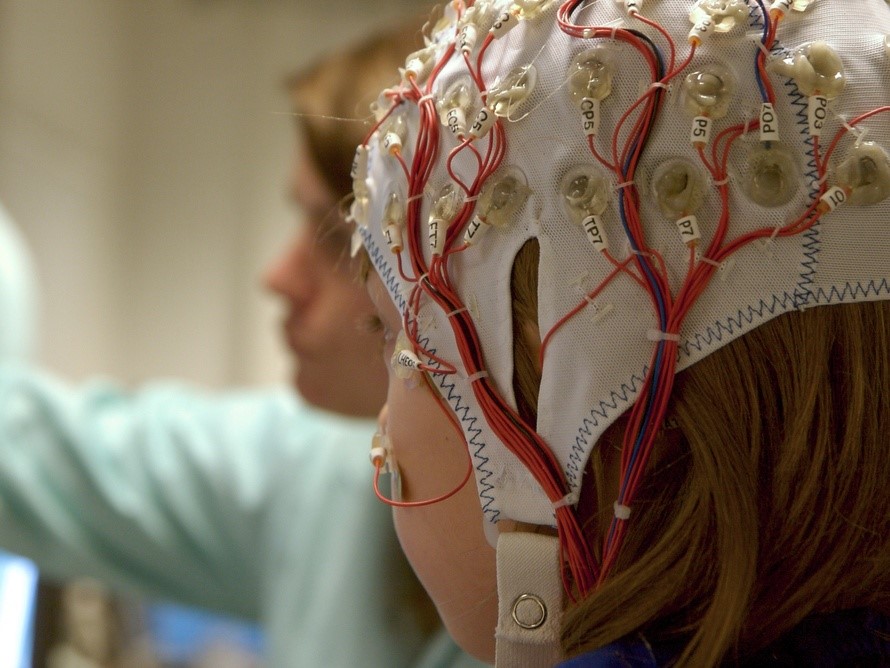
Tipos de convulsiones
A seizure es un condition caused by a sudden burst of electrical activity en the brain. There are different types of seizures. This leaflet gives some information about what your doctor puede wish to know and what tests may be advised after such an event. What is a seizure. A seizure is a... They are more common in children than in adults. Myoclonic.
Patient information leaflet
¿Puedo tomar Lactulosa y Ropinirol juntos?
There are no known direct interactions between lactulose and ropinirole. Disclaimer This information es for general educational purposes only and should not be relied upon as a substitute for professional medical advice. Always consult your GP, pharmacist, or another qualified healthcare professional before making decisions about your medications..
Lecturas adicionales y referencias
- CHD2 myoclonic encephalopathy; MedlinePlus, National Library of Medicine.
- Lund C, Brodtkorb E, Oye AM, Rosby O, Selmer KK. CHD2 mutations in Lennox-Gastaut syndrome. Epilepsy Behav. 2014 Apr;33:18-21. doi: 10.1016/j.yebeh.2014.02.005. Epub 2014 Mar 12.
- Suls A, Jaehn JA, Kecskes A, Weber Y, Weckhuysen S, Craiu DC, Siekierska A, Djemie T, Afrikanova T, Gormley P, von Spiczak S, Kluger G, Iliescu CM, Talvik T, Talvik I, Meral C, Caglayan HS, Giraldez BG, Serratosa J, Lemke JR, Hoffman-Zacharska D, Szczepanik E, Barisic N, Komarek V, Hjalgrim H, Moller RS, Linnankivi T, Dimova P, Striano P, Zara F, Marini C, Guerrini R, Depienne C, Baulac S, Kuhlenbaumer G, Crawford AD, Lehesjoki AE, de Witte PA, Palotie A, Lerche H, Esguerra CV, De Jonghe P, Helbig I; EuroEPINOMICS RES Consortium. De novo loss-of-function mutations in CHD2 cause a fever-sensitive myoclonic epileptic encephalopathy sharing features with Dravet syndrome. Am J Hum Genet. 2013 Nov 7;93(5):967-75. doi: 10.1016/j.ajhg.2013.09.017. Epub 2013 Oct 24.
- Thomas RH, Zhang LM, Carvill GL, Archer JS, Heavin SB, Mandelstam SA, Craiu D, Berkovic SF, Gill DS, Mefford HC, Scheffer IE; EuroEPINOMICS RES Consortium. CHD2 myoclonic encephalopathy is frequently associated with self-induced seizures. Neurology. 2015 Mar 3;84(9):951-8. doi: 10.1212/WNL.0000000000001305. Epub 2015 Feb 11.
- Trivisano M, Striano P, Sartorelli J, Giordano L, Traverso M, Accorsi P, Cappelletti S, Claps DJ, Vigevano F, Zara F, Specchio N. CHD2 mutations are a rare cause of generalized epilepsy with myoclonic-atonic seizures. Epilepsy Behav. 2015 Oct;51:53-6. doi: 10.1016/j.yebeh.2015.06.029. Epub 2015 Aug 7.
Únete a la conversación
Comparte tus pensamientos o experiencias con otros en nuestro comunidades de pacientes.

Pregunta, comparte, conecta.
Navega por discusiones, haz preguntas y comparte experiencias en cientos de temas de salud.
Suscríbete al boletín de Patient
Tu dosis semanal de consejos de salud claros y confiables, escritos para ayudarte a sentirte informado, seguro y en control.
Al suscribirte aceptas nuestros Política de Privacidad. Puedes darte de baja en cualquier momento. Nunca vendemos tus datos.