Why are more young women losing their periods due to restrictive diets and excessive exercise?
Peer reviewed by Dr Sarah JarvisAuthored by Emily Jane BashforthOriginally published 4 Feb 2022
Meets Patient’s editorial guidelines
- DownloadDownload
- Share
- Language
- Discussion
- Audio Version
- Add to preferred sources on Google
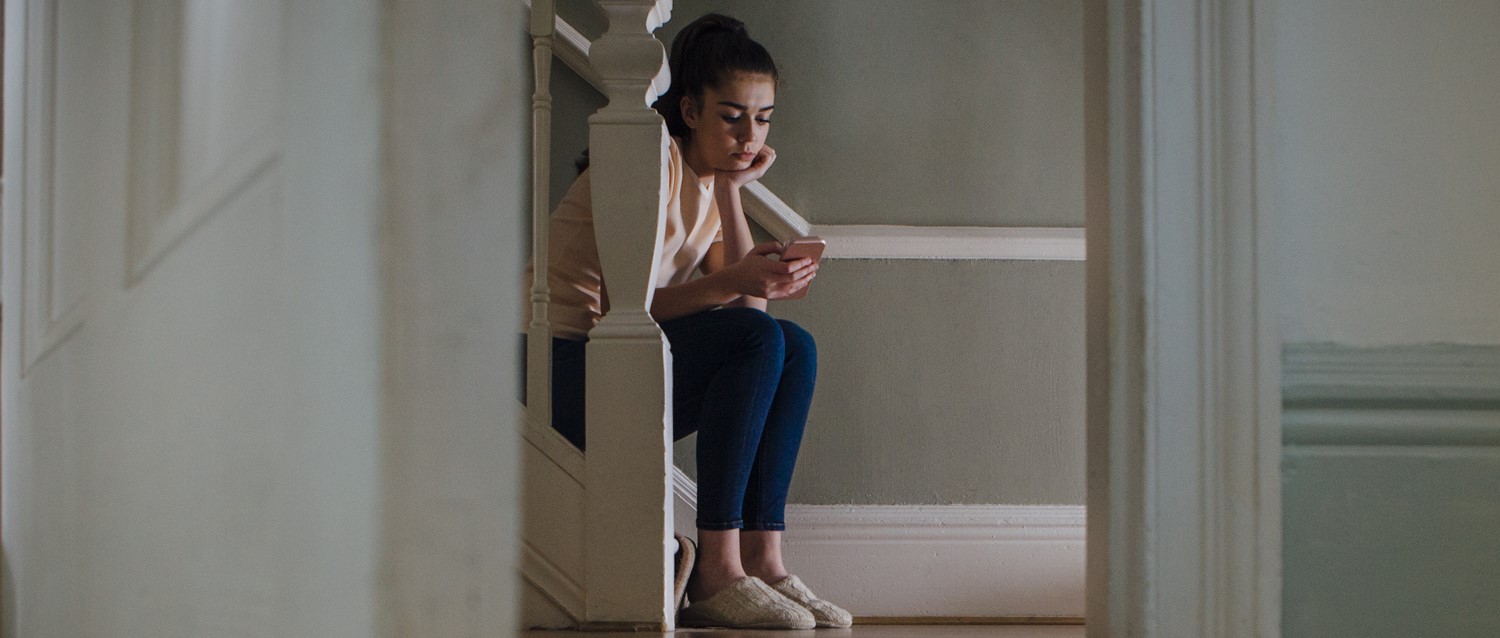
Experts have become alarmed by the increasing number of people losing their periods as a result of restrictive dieting and excessive exercise. There are concerns that this increase in so-called 'functional hypothalamic amenorrhoea' is connected to the content young people consume online.
Eating disorder charity Beat believes this issue is being fuelled by the increasing use of social media, as more young women are suffering from functional hypothalamic amenorrhoea. This is a condition where the body enters survival mode because it is severely under-fuelled. It results in menstruation stopping, but it can be reversed.
What is hypothalamic amenorrhoea?
Functional hypothalamic amenorrhoea is a common form of secondary amenorrhoea. Hypothalamic amenorrhoea arises from hormone disruptions in young, premenopausal women. To understand more about the hypothalamic amenorrhoea, it's worth breaking the terms down:
Amenorrhoea is the medical term for missed periods.
If you have primary amenorrhoea, your periods never started. Secondary amenorrhoea means that you have had periods in the past but they have stopped.
A 'functional' problem is one where there is no single physical abnormality (such as a tumour producing excess hormones) to account for it.
Your hypothalamus is an organ which releases some of the hormones which help regulate your menstrual cycle.
Amenorrhoea is linked to one or a combination of:
Psychological stress.
Over-exercising.
Disordered eating.
One of the main hormonal findings in functional amenorrhoea is low levels of oestrogen. In addition to missed periods, the loss of oestrogen has profound effects on many systems throughout the body, including:
Cardiac.
Skeletal.
Psychological.
Reproductive.
While there have been in-depth studies on the impact of oestrogen deficiency in menopause, there is little research into the impact of oestrogen deficiency on young women.
Low oestrogen in menopausal women creates an increased risk of cardiovascular disease, and has an impact on bone loss. It may also interrupt overall mental health, and is associated with higher levels of depression and anxiety.
It is thought a similar phenomenon occurs in premenopausal women who have secondary amenorrhoea and who are deficient in oestrogen.
How widespread is amenorrhoea?
Martha Williams, a clinical advice coordinator of Beat, highlights that there are not currently exact statistics on this issue. However, she is concerned with how widespread hypothalamic amenorrhoea has become.
"From the people we support, sadly we know that many women with, or who are vulnerable to, an eating disorder are at risk of losing their periods. The exact reasons can vary. However, we do know that eating disorder behaviours, such as excessive exercise, sudden changes in weight or restrictive eating can contribute to this," says Williams.
It isn't just those who restrict ...
While it's difficult to gauge exactly just how prevalent eating disorders are, a 2017 study by Hay et al found that binge eating disorder (BED) accounted for 22% of cases of eating disorders. This makes it the second most common eating disorder, behind other specified feeding or eating disorder (OSFED) at 47%.
However, stereotypes and miseducation around eating disorders mean conditions such as anorexia and bulimia are often given more awareness.
Ruth Micallef is an eating disorder counsellor. She explains that it isn't solely restrictive eating habits that can impact the body's hormone levels.
Micallef feels frustrated when the serious health consequences of EDs don't mention those without restrictive eating disorders.
"Whether restricting or bingeing, eating disorders have such an impact on someone's hormonal health. These actions become hormone disruptors, and can have a range of effects, such as extremely low mood at some points in the menstrual cycle, missing periods, PCOS, and long-term reproductive issues, to name a few," she says.
"These, in turn, can create a vicious cycle with an eating disorder, encouraging people to rely on this coping mode even further to deal with the repercussions."
Williams further highlights how the loss of a period does not solely occur in those who are underweight or have a low BMI.
"There is a misconception that in order for somebody to lose their period they must be underweight. This is not always the case, and other factors, such as stress, can also affect the menstrual cycle. At Beat, we support many people with eating disorders who are healthy weights, yet have restrictive eating habits and experience changes with their period."
How is social media a problem?
A 1999 study from Field et al found that thinness and trying to look like women on television, movies or magazines were predictive of young girls (aged 9-14) beginning to purge at least monthly.
Another prospective study from 2001 of this same age group found that both boys and girls (aged 9-14) who were making an effort to look like figures they saw in the media, were more likely than their peers to develop weight concerns and become constant dieters.
Sadly, 20 years later, the problem only seems to have worsened as technology has advanced. Young people are now more exposed to airbrushed and Photoshopped bodies and pro-eating disorder content, and spend more time comparing their bodies to the bodies of people they've never met.
Social media usage
A 2019 study suggests that young people who use social media are more likely to develop an eating disorder.
Dr Simon M. Wilksch looked into the effect of social media on body image. The study monitored 1,000 11- to 12-year-old students and their use of four social media sites: Facebook, Snapchat, Instagram and Tumblr.
The results found that teens favoured Instagram and Snapchat: notably, both of these platforms concentrate more on photos and videos than Facebook and Tumblr.
The study also found that eating disorders were reported by 52% of girls and 45% of boys, with strict exercise and meal skipping the most common behaviours. A total of 75% of girls and 70% of boys had at least one social media account, and Instagram was the most common network, used by 68% of girls and 62% of boys.
While we cannot say for certain that social media has a direct link to eating disorders (largely because eating disorders are very complex and every person's experience is different), both research and the stories of social media users make a strong case for a connection.
Using social media during the pandemic
Beat has previously explained how the pandemic was particularly hard for social media users, as people spent more time online when lockdown hit.
They also believe encouragement from the government to exercise for an hour a day was not necessarily helpful for everyone. The charity says emphasising this message was likely quite damaging for those already struggling to regulate their exercise levels.
Williams goes on to say how social media could be a 'problem' due to:
Women sharing edited photos of their bodies.
Unrealistic expectations of how people should look.
Fitness influencers telling their followers what they eat in a day.
Videos containing specific calorie counts.
The promotion and glorification of restrictive eating habits.
Diet culture
Micallef also highlights the prevalence of diet culture in today's society, with dieting often portrayed as a route to eternal health.
"Still today, women of menstrual age are consistently encouraged to engage in activities deemed as 'healthy' but which actually promote hormonal disruption. These include diets like keto and intermittent fasting, intense training throughout their whole menstrual cycles, and yo-yo dieting."
She goes on to say that research into women of a menstruating age "continues to be embarrassingly scarce in our developed world", adding that this is "very pronounced" with eating disorders.
"While dieting and under-eating continue to be seen as the norm and there is a severe lack of research and knowledge from both professionals and wider society, women will continue to suffer."
So, what can be done?
Social media platforms have made positive changes over the last few years to protect their users. For example, in September 2019, Instagram announced new policies to protect people under the age of 18 from certain weight loss products and cosmetic procedures on its platform. This content can be both reported and removed entirely from the app if it is deemed inappropriate. However, some users question the effectiveness of these new features and query how 'problematic content' is assessed.
Additionally, Snapchat announced the launch of their Here For You service. This connects people searching for topics such as depression, anxiety and thinspo (thinspiration) to resources produced by mental health experts.
While it's difficult to suggest a plan of action to eliminate all pro-eating disorder content from the internet (especially since social media evolves at such a rapid pace), it's an important conversation to continue having.
Many women are using Instagram to form communities and raise awareness about the implications of over-exercising and the dangers of 'clean eating'. Therefore, it is vital that support is in place for those who reach out for help, either with eating disorder symptoms or the loss of periods.
Getting support
Williams says many women have consulted their GP after their period stopped. However, some reported that there seemed to be a lack of awareness on the subject, so the underlying cause was not spotted. Support was then limited to the use of a contraceptive pill to restart menstruation.
Beat is calling for change to ensure everyone with an eating disorder gets the early treatment they need and deserve. The charity wants all medical schools and foundation programmes to expand their formal training on eating disorders. This has been thrown into sharp relief since the waiting list for treatment for those under 20 in England has trebled since the start of the pandemic.
"Long waits for treatment are putting lives at risk. This is unacceptable and we must change it."
If you're worried about your own or someone else's health, you can contact Beat, the UK's eating disorder charity, 365 days a year on 0808 801 0677 or beateatingdisorders.org.uk
Patient picks for Periods and period problems
Women's health
How to have a more eco-friendly period
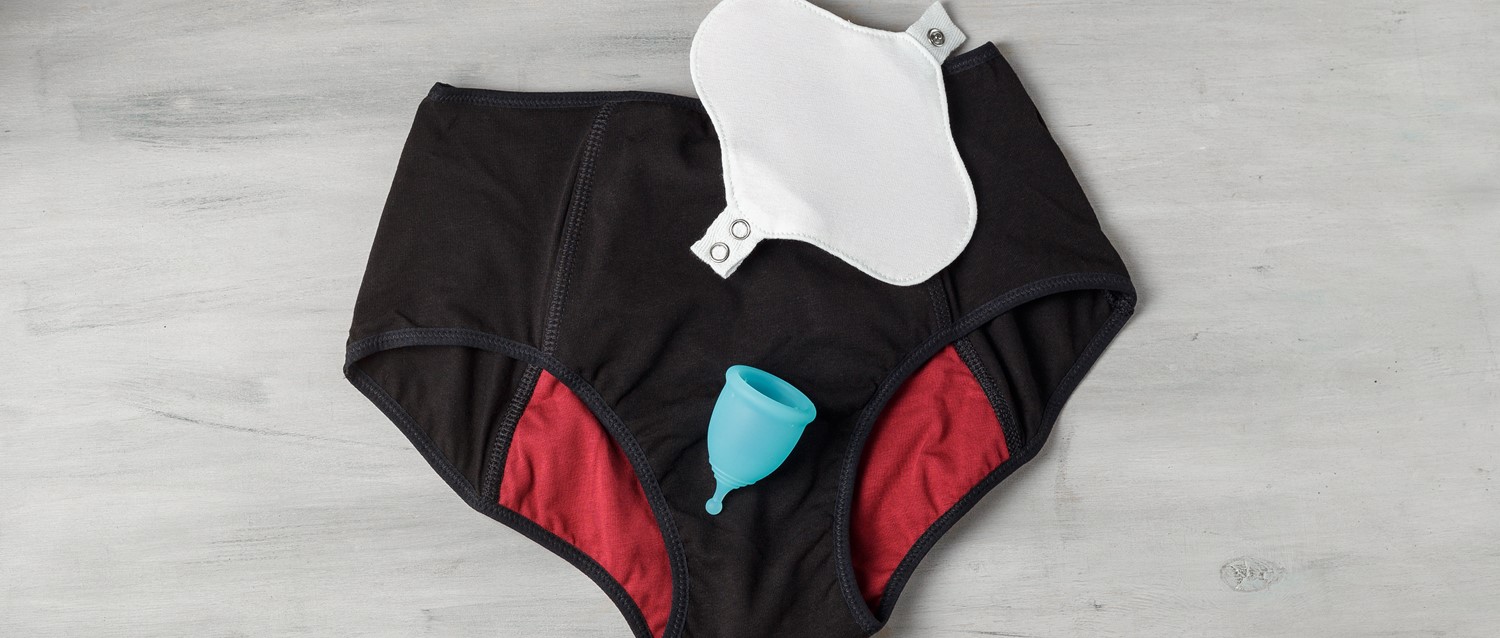
Single use menstrual products (such as tampons, applicators and pads), generate up to 200,000 tonnes of waste per year, as most period pads are made from 90% plastic. This is having a detrimental impact on the environment. In this article we explore how you can have a more sustainable period and do your bit for the planet while still practising self-care.
by Emily Jane Bashforth
Women's health
Painful periods cost women nine days of productivity every year
Nearly nine days of productivity are being lost each year to period symptoms, according to a new study.
by Milly Evans
About the authorView full bio
Authored by

Emily Jane Bashforth
Feature Writer
NCTJ
Emily is a Feature Writer with Patient, writing articles on a variety of topics relating to health and well-being.
About the reviewerView full bio

Dr Sarah Jarvis
Clinical Consultant
MA (Cantab), BM, BCh (Oxon), DRCOG, FRCGP, MBE
After training in medicine at Cambridge and Oxford, Dr Sarah Jarvis MBE became a GP.
Article history
Article also available in English, German, Spanish, French, Italian, Portuguese, Hindi, Hebrew, Arabic, and Swedish.
4 Feb 2022 | Originally published
Authored by:
Emily Jane BashforthPeer reviewed by
Dr Sarah Jarvis
Join the conversation
Share your thoughts or experiences with others in our patient communities.

Ask, share, connect.
Browse discussions, ask questions, and share experiences across hundreds of health topics.

Feeling unwell?
Assess your symptoms online for free
Sign up to the Patient newsletter
Your weekly dose of clear, trustworthy health advice - written to help you feel informed, confident and in control.
By subscribing you accept our Privacy Policy. You can unsubscribe at any time. We never sell your data.