Análisis de piel con IA: qué es y por qué los expertos advierten en su contra
Revisado por pares por Dr Colin Tidy, MRCGPEscrito por Victoria RawPublicado originalmente 21 de mayo de 2026
Cumple con las directrices editoriales
- DescargarDescargar
- Compartir
- Language
- Discusión
- Versión en audio
- Agregar a fuentes preferidas en Google
You might have seen AI-powered health tools that claim to analyse your skin after you upload a photo online. One example is the viral ChatGPT ‘Skincare Analysis’ trend, where users ask AI to assess concerns such as acne, pigmentation, or ageing from a selfie alone.
While these tools are growing in popularity for offering quick, accessible feedback, experts warn they can often do more harm than good for your health.
What is AI ‘skin analysis’?
Asking online tools to assess your skin’s health isn’t exactly new, but it’s gathering momentum with the rise of AI. Increasingly, platforms - especially those backed by beauty brands - promise that simply uploading a selfie can provide a comprehensive skincare analysis.
Dr Anjali Mahto, Consultant Dermatologist and Founder of Self London, UK, says that ChatGPT’s ‘Skincare Analysis’ is the latest tool riding this wave of popularity.
“This trend involves users uploading a portrait of themselves to ChatGPT and asking the AI to generate a full, dermatologist-style skincare analysis graphic,” she explains. “Instead of a standard text reply, the AI produces a highly polished visual report detailing perceived skin type, texture, hydration levels, and product recommendations.”
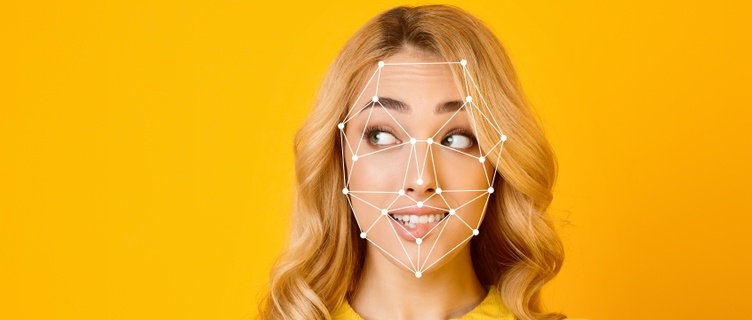
Mahto adds that a person’s selfie is transformed into a clinical-looking document, complete with a magnified face layout, comparison zones, and charts. The tool uses concise labels and icons to visually dissect the face, highlighting microscopic details such as pores, fine lines, and skin texture.
“This is designed to look like a premium medical consultation sheet, which gives it a false sense of clinical authority,” she warns. “But essentially, people are using a chatbot as a diagnostic tool for their selfies, which, as a dermatologist, I find deeply concerning.”
la Dra. Anjali Mahto

The health hazards of AI skin diagnostics
The ‘skincare analysis’ craze is spreading on social media, with users enthusiastically sharing their AI-generated visual reports and comparing them as if the results were medically accurate - which they are not.
Mahto notes that while people once used AI for simple photo edits, it is now being used as a personalised visual guide for daily skincare routines.
“The polished, shareable format of these graphics makes them highly viral, encouraging more people to scrutinise their own faces in the same way,” she says.
“The main danger of using a chatbot to clinically dissect a selfie rather than seeking professional help is that it triggers an extreme, unhealthy hyperawareness of entirely normal facial features. A chatbot lacks the medical training to understand the nuance of human biology, meaning it often pathologises completely healthy skin.”
Mahto adds that relying on AI for diagnoses can also delay people from seeking real medical help for actual skin conditions that require prescription treatments.
When AI confuses normal skin with disease
Using AI-generated ‘health reports’ for your skin doesn’t mean you’re consulting a qualified professional who can distinguish between real skin conditions and normal skin features. For this reason, skincare analysis tools can not only misdiagnose you but also make you believe that perfectly normal aspects of your face are flaws.
Mahto emphasises that AI cannot distinguish between normal, healthy biological features and actual dermatological conditions.
“It often treats a visible pore with the same level of 'correction' as a severe case of acne,” she explains. “This is why diagnosing skin requires years of medical training and hands-on experience with actual patients, not a clever algorithm. It actively treats natural biological necessities as flaws that need to be ‘fixed’ with products.
“For example, it will highlight visible pores, minor texture, and natural hydration fluctuations as issues requiring intervention. Pores and slight imperfections are entirely normal and essential for healthy skin function, yet the AI frames them as problems.”
How AI contributes to skin anxiety
It’s widely recognised that many online platforms - with their constant pressure to look ‘perfect,’ even though that’s neither realistic nor a true reflection of human life - have contributed to concerning behavioural and mental health effects. The same is true for the skincare analysis trend.
Mahto points out that redes sociales filters have already set an impossible, poreless ideal for us to chase. But this trend takes the psychological impact to an entirely new level.
“By using AI to draw magnified circles around tiny details, we are fuelling a modern epidemic of skin-focused anxiety and body dysmorphia,” she says.
“We have collectively forgotten what normal, great skin actually looks like, replacing it with an unattainable, AI-generated standard. It's deeply concerning as a medic.”
Why dermatologists still matter
Unlike AI, dermatologists focus on treating real skin conditions - such as acné, rosácea, and severe pigmentation - rather than normal biological features.
As Mahto explains, their main goal is to help people maintain healthy, functional skin.
“We do not seek to erase normal biological features such as pores or natural texture because we understand they are vital to the skin's ecosystem,” she says.
“Consumers must remember that an AI is generating recommendations based on an algorithm's critique of a 2D image, not a medical understanding of your skin's health.”
Mahto advises that before you spend money on AI-suggested serums or cleansers, it’s worth considering whether you are addressing a genuine skin concern - or simply chasing an impossible, AI-driven standard of perfection.
“Always consult a qualified professional for real concerns," she concludes. "You should never trust a chatbot with your health."
Selecciones del paciente para Cuidado de la piel
Salud de la piel, uñas y cabello
Retinol: beneficios para el cuidado de la piel, efectos secundarios y más
Cualquiera que sea tu edad, si alguna vez has pensado en el cuidado de la piel, probablemente hayas oído hablar del retinol. Pero si no estás seguro de qué es exactamente, o por qué podrías necesitar saberlo, no estás solo. Para complicar las cosas, el término 'retinol' se utiliza en contextos similares a 'retinoide' y 'ácido retinoico', entre otros. Aquí tienes una visión general del retinol, sus beneficios para la piel y cosas a considerar antes de añadirlo a tu rutina de cuidado de la piel.
por Lynn Stephen
Salud de la piel, uñas y cabello
Los mejores alimentos y nutrientes para una piel saludable
A veces parece que pasamos de luchar contra las imperfecciones de la adolescencia, directamente a combatir las arrugas. Sin embargo, incorporar alimentos ricos en nutrientes en tu dieta puede beneficiar tu piel a cualquier edad. Aquí echamos un vistazo a algunos de los nutrientes clave para una piel saludable y qué deberías añadir a tu compra semanal para obtenerlos.
por Lawrence Higgins
Preguntas frecuentes
What kind of visual information do these AI skincare analysis tools typically provide?
The AI tools typically produce a highly polished visual report. This often includes a magnified face layout, comparison zones, and charts. It uses concise labels and icons to visually dissect the face, highlighting details like pores, fine lines, and skin texture.
Why do these AI reports look so authoritative?
The reports are designed to resemble a premium medical consultation sheet. They transform a selfie into a clinical-looking document with a magnified face layout, comparison zones, and charts, giving them a false sense of clinical authority.
Can AI skin analysis help me with my daily skincare routine?
Some AI tools are being used as a personalised visual guide for daily skincare routines. However, relying on them for medical advice or diagnoses is not recommended.
What type of skin conditions do dermatologists focus on treating?
Dermatologists focus on treating real skin conditions such as acne, rosacea, and severe pigmentation. Their main goal is to help people maintain healthy, functional skin rather than focusing on normal biological features.
What is the difference in approach between AI skin analysis and a dermatologist?
AI generates recommendations based on an algorithm's critique of a 2D image and may highlight normal biological features as flaws. Dermatologists, on the other hand, have medical training and hands-on experience to understand the nuance of human biology, focusing on treating actual conditions and maintaining healthy, functional skin. They do not seek to erase normal biological features like pores or natural texture because they understand their importance to skin health.
Sobre el autorVer biografía completa
Victoria Raw
Redactora de artículos
Licenciatura en Artes (Hons), Literatura Inglesa
Victoria es una redactora de contenido en Patient, cuyos intereses especiales se centran en el bienestar mental, las tendencias sociales y el impacto de la tecnología en nuestra salud.
Acerca del revisorVer biografía completa

Dr Colin Tidy, MRCGP
Médico General, Autor Médico
MBBS, MRCGP, MRCP (Paediatrics), DCH
El Dr. Colin Tidy es un médico del NHS, con sede en Oxfordshire.
Historial del artículo
La información en esta página es revisada por pares por clínicos calificados.
Artículo también disponible en Inglés, Alemán, Español, Francés, Italiano, Portugués, Hindi, Hebreo, Árabe, y Sueco.
Next review due: 21 May 2029
21 de mayo de 2026 | Publicado originalmente
Escrito por:
Victoria RawRevisado por pares por
Dr Colin Tidy, MRCGP

Pregunta, comparte, conecta.
Navega por discusiones, haz preguntas y comparte experiencias en cientos de temas de salud.

¿Te sientes mal?
Evalúa tus síntomas en línea de forma gratuita
Suscríbete al boletín de Patient
Tu dosis semanal de consejos de salud claros y confiables, escritos para ayudarte a sentirte informado, seguro y en control.
Al suscribirte aceptas nuestros Política de Privacidad. Puedes darte de baja en cualquier momento. Nunca vendemos tus datos.
Más sobre la salud de la piel, uñas y cabello
- 8 causas del acné en la espalda
- Desencadenantes comunes de la rosácea y cómo evitarlos
- ¿Preocupado por un lunar? Obtén tranquilidad con la revisión de lunares en línea
- ¿Realmente funcionan algunos remedios naturales para el acné?
- ¿Ayuda Bio-Oil a las cicatrices de acné?
- ¿Dormir bien realmente mejora tu piel?
- Todo lo que necesitas saber sobre el eccema en bebés
- Cómo encontrar las zapatillas para correr perfectas para tus pies
- Cómo eliminar las cicatrices de acné: tu guía definitiva
- Cómo mantener a tus hijos seguros del sol este verano
- Cómo prevenir y aliviar los quistes en la piel: una guía sencilla
- Cómo detectar chinches y deshacerse de ellas
- ¿Tu rutina de ejercicio te está causando acné?
- Agua micelar: beneficios y usos para el cuidado de la piel
- Neurocosméticos: ¿un cambio cerebral para tu salud?
- La 'segunda pubertad': por qué podrías estar teniendo brotes en tus treintas
- ActualizadoLos mejores alimentos y nutrientes para una piel saludable
- Video: ¿Cómo se propagan los piojos?
- ¿Qué es el skinimalismo y es bueno para tu piel?
- Qué hacer si te pica una medusa