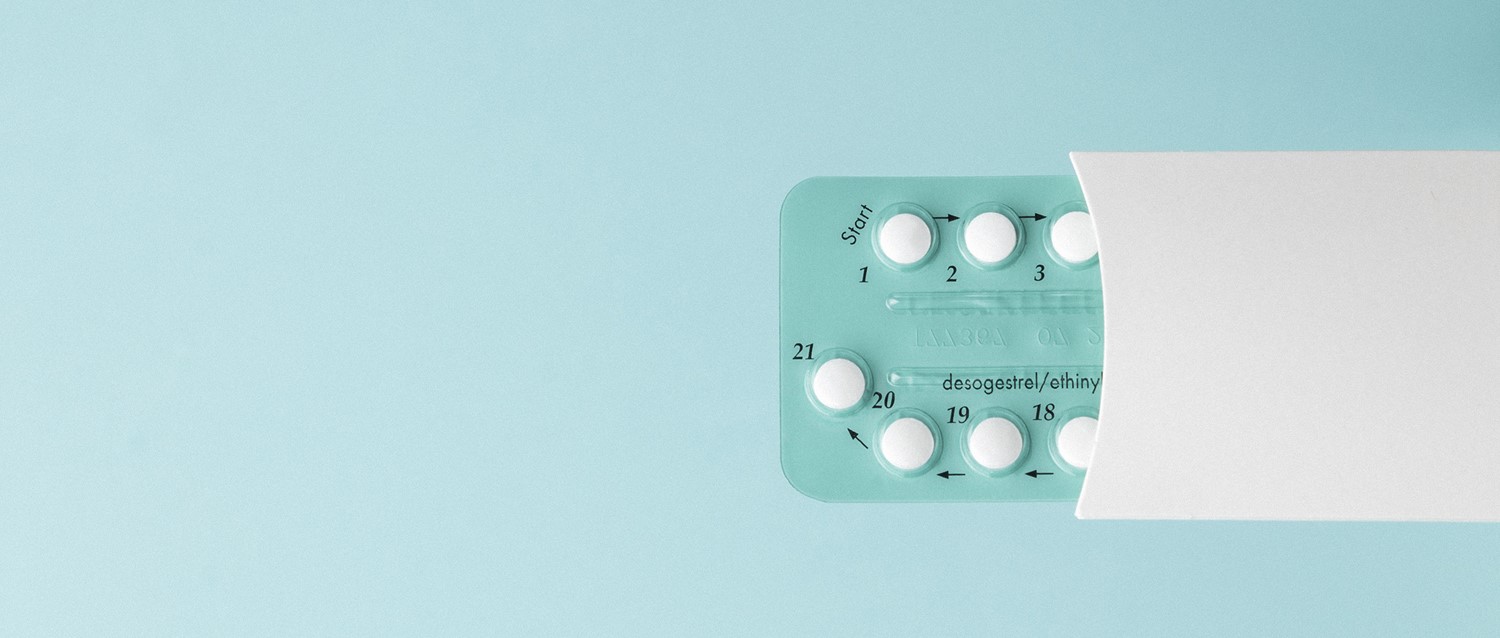
What happens when you come off the pill?
Peer reviewed by Dr Colin Tidy, MRCGPLast updated by Amberley DavisLast updated 27 Oct 2023
Meets Patient’s editorial guidelines
- DownloadDownload
- Share
- Language
- Discussion
- Audio Version
- Add to preferred sources on Google
First licensed during the 1960s, 'the pill' has been giving women control over their reproductive systems for nearly seven decades. But, in recent years, there's been a growing movement of women turning their backs on this method of birth control. So, with many having been on the pill since their teens, what actually happens to your body if you're coming off the pill?
Want to access contraception online?
Start a quick NHS Pharmacy First consultation online through Patient.info.
- Online and available 24/7, treatment can often be delivered next day.
- Free service, just pay the NHS prescription charge online if required.
- Just answer a few questions then choose a time for a clinician call.
Powered by Evaro, a UK regulated healthcare service supporting over 2 million patients. Reviewed by UK registered clinicians.

From your moods to your fertility, you may be wondering what life would be like if you stopped taking the pill. We speak to Karin O'Sullivan, clinical consultant at the Family Planning Association (FPA), and Dr Helen Munro, consultant and clinical lead for the Faculty of Sexual and Reproductive Healthcare (FSRH). These sexual health experts explain how your body adjusts to coming off the pill.
What happens when you come off the pill?
According to O'Sullivan, no matter how long you've been taking the contraceptive pill, the hormones clear from your body very quickly when you stop taking them. Other changes include your periods returning to normal and the return of previous hormone related issues.
Your periods return to normal
After you stop taking the pill, your periods go back to 'normal' - although what's normal for you might have changed since you started taking the pill.
Regardless of how long you've been on the pill, there's no truth in the myth that the synthetic hormones build up. Once you come off, your natural menstrual cycle returns to releasing different amounts of hormones at different times - instead of the regular dose of hormones you get on the pill. This may affect how you feel throughout the month.
"If you've been taking the pill for a while then other things in your life have probably changed, and this might mean your menstrual cycle is now different to how it was before the pill," O'Sullivan says.
Your vaginal discharge might change
Physically, O'Sullivan adds: "You might also notice a change in your vaginal discharge, which can change from being thick, sticky and white, to become more slippery, a bit like raw egg white, at the time of ovulation."
Previous hormonal issues may return
If you previously suffered from hormonal issues which the pill has been keeping at bay - such as period pain, mood swings or acne - then there is a chance that these problems will return after coming off the pill.
However, as O'Sullivan points out, it's worth remembering that getting older and changes to your lifestyle can also have an impact on any of these symptoms.
Are there any side-effects of coming off the pill?
As your body quickly readjusts to coming off the pill, you may experience additional side effects such as:
Headaches.
Mood swings.
Breast tenderness.
Increased sex drive.
Weight changes.
If you are concerned about any of these side effects, or have heavy bleeding, dizziness, or shortness of breath, you should seek medical attention immediately.
How many days after stopping the pill does your period start?
"For some people, their normal menstrual cycle will return straightaway after coming off the pill, while for others it may take a few months before their periods start again or settle into a pattern," O'Sullivan explains.
As a general rule though, she adds, if your periods haven't restarted after a few months then it's worth seeing your doctor to check for any medical issues or an unexpected pregnancy.
Does coming off the pill affect your period?
If you've been taking the combined oral contraceptive pill (COC), you may have found that your monthly withdrawal bleed was much lighter and less painful than a normal period. If you've been on the progestogen-only pill (POP) then you may have stopped bleeding altogether.
As with the other symptoms, O'Sullivan explains that you may find your periods go back to exactly as they were before the pill - with your monthly bleed becoming longer, heavier and more painful again once you come off. Or, they may be different due to changes in your body and lifestyle.
For example, if work or your personal life is currently causing you a lot of stress - more than you felt during your last natural menstrual cycle - then you may find your natural period is more painful than you remember1.
How long after coming off the pill can you get pregnant?
Your fertility should return quickly once you stop taking the pill. This means that you can get pregnant immediately after stopping the pill. However, it could take several months for your body to return to normal.
Dr Munro says: "If you're coming off the pill but don't want to get pregnant then make sure you have an alternative method of contraception lined up straightaway". However, if you're coming off the pill because you are hoping to get pregnant, O'Sullivan says be prepared that it may not happen straightaway - although remember also that it could.
"Factors such as age and how fit and healthy you are can affect how long it takes to get pregnant, but the majority of couples trying for a baby will get pregnant within a year if they're having unprotected sex regularly every 2-3 days," she advises.
What other contraception can I use instead of the pill?
"Long-acting reversible contraception (LARC) - such as the implant, hormonal and non-hormonal coil, and contraceptive injection - is the most effective option we have, and can be used by most women," Munro explains.
"My advice is that there is no perfect contraception method but it's important you attend a GP or specialist contraception clinic to discuss your options - especially if you've had a poor experience of the pill, or negative side effects," she adds.
Can coming off the pill affect fertility?
Munro says: "There are no known lasting affects on fertility, even if you have been using either the COC pill or the POP for many years. This is often a concern for women, who come to my clinic voicing a perceived need for a break from the pill and a temporary return to their natural menstrual cycle. There is no evidence that this is needed, and could lead to an unplanned pregnancy if no other method of effective contraception is used in its place," she explains.
Also remember that use of the COC pill is linked with a reduced risk of both ovarian and endometrial cancer which, Munro adds, "continues for several decades even after coming off the pill - a really positive side effect that's often overlooked and not mentioned."
Further reading
Patient picks for Contraception
Sexual health
When will I become fertile again after coming off contraception?
If you want to have a baby, you’ve probably got a lot of questions - including how long it can take for you to become fertile again if you’ve been on the contraceptive pill or the coil. And while everyone is different, here’s what we know about fertility after coming off different kinds of contraception.
by Lydia Smith
Sexual health
Are fertility apps a reliable form of contraception?
Hormonal contraception has had a bad press in recent years, with studies linking it to breast cancer and mental health side effects such as depression and anxiety. All that, combined with the rise of so-called 'fem tech', and the burgeoning trend for all things natural - from organic beauty products to 'clean' and plant-based diets - has led to an increased interest in more natural family planning options. But do any of them really work?
by Sarah Graham
About the authorView full bio
Updated by

Amberley Davis
Senior writer
BA (Hons), CPD
Amberley is a senior writer with Patient and has written extensively on a range of health and wellbeing topics.
Authored by

Sarah Graham
Freelance health journalist
MA, Newspaper, Journalism
Sarah Graham is an award-winning freelance health journalist, and founder of the feminist women's health blog Hysterical Women.
About the reviewerView full bio

Dr Colin Tidy, MRCGP
General Practitioner, Medical Author
MBBS, MRCGP, MRCP (Paediatrics), DCH
Dr Colin Tidy is an NHS Doctor, based in Oxfordshire.
Article history
Article also available in English, German, Spanish, French, Italian, Portuguese, Hindi, Hebrew, Arabic, and Swedish.
Next review due: 27 Oct 2026
27 Oct 2023 | Latest version
30 Jun 2018 | Originally published
Authored by:
Sarah Graham
Join the conversation
Share your thoughts or experiences with others in our patient communities.

Ask, share, connect.
Browse discussions, ask questions, and share experiences across hundreds of health topics.

Feeling unwell?
Assess your symptoms online for free
Sign up to the Patient newsletter
Your weekly dose of clear, trustworthy health advice - written to help you feel informed, confident and in control.
By subscribing you accept our Privacy Policy. You can unsubscribe at any time. We never sell your data.