
I regret not getting the flu jab
Peer reviewed by Dr Sarah JarvisLast updated by Allie AndersonLast updated 9 Sept 2019
Meets Patient’s editorial guidelines
- DownloadDownload
- Share
- Language
- Discussion
- Audio Version
- Add to preferred sources on Google
When 62-year-old Steve Miller picked up what he thought was a cold, he didn't think much of it at first. But within three days he was in intensive care fighting for his life, with doctors warning his family he might not survive.
"I'd had typical flu symptoms, and I was short of breath and incredibly tired," he recalls. "But I deteriorated rapidly until every muscle in my body ached and I started to go delirious.” Miller's worried partner Sam took him straight to A&E.
Miller, from north London, had contracted the virulent H1N1 strain of seasonal flu, which developed into double pneumonia (pneumonia affecting both lungs) and began to shut down his organs. He was placed into an induced coma and was unconscious and on life support for five weeks.
While Sam and her son had recovered from the same flu strain after a few days' bed rest, Miller couldn't fight off the virus, because his immune system was weakened by medication he'd been taking to treat a rare skin condition called pemphigus.
Despite being eligible for the free NHS flu vaccination - and against the advice of his GP and dermatologist - Miller had always turned it down.
"I always thought that if I had the flu jab, it would give me everything going because my immune system was suppressed," he says. "So I kept refusing to have it."
Misconceptions
This is something Dr Tehseen Khan, a GP in Hackney, sees all too often and which leaves vulnerable people at risk of becoming seriously ill.
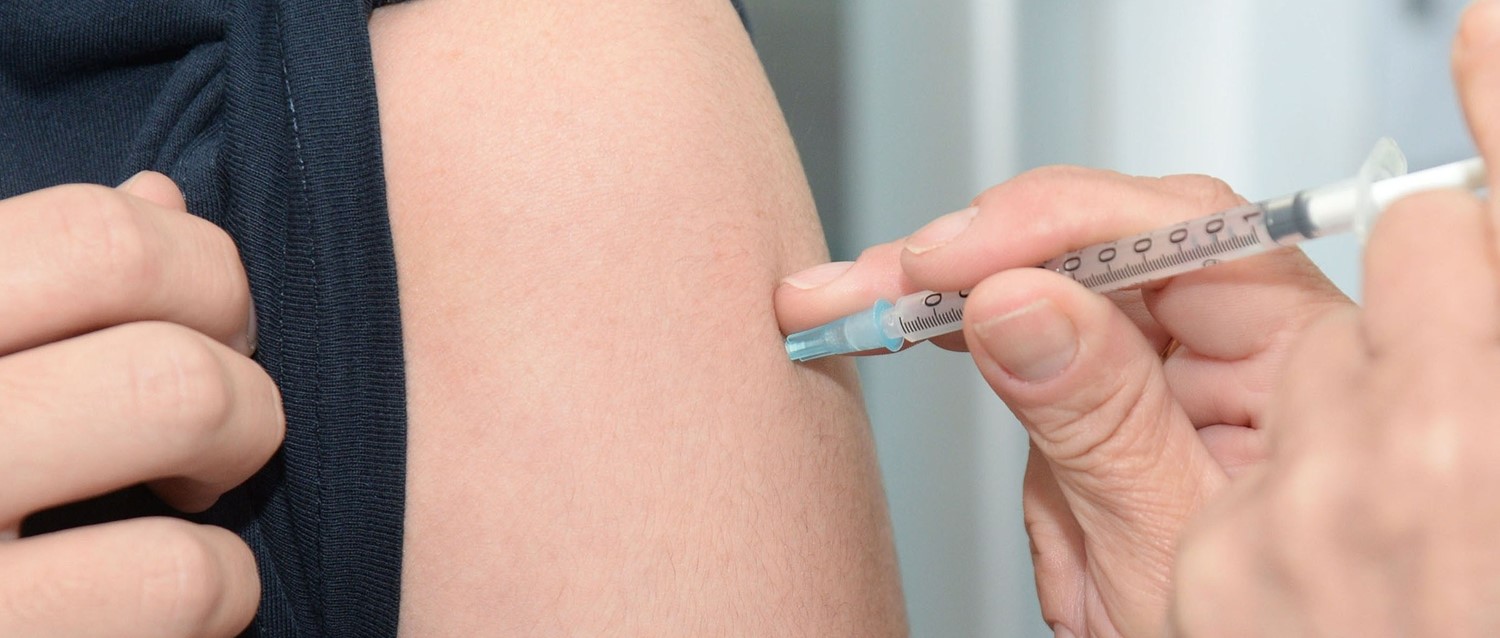
"There are misconceptions around the flu jab, the commonest one being that having the jab actually gives you flu," he comments. "This is not true. While you may have aches for a day or two after having the vaccine, it doesn't result in you developing the flu." The flu injection doesn't contain any live virus, so it's impossible for it to multiply in your system to cause a flu infection.
Another myth, according to Khan, is that if you've had the vaccination before, you're protected against the virus forever. "In reality, the flu virus is very clever and changes frequently to survive," he adds. "So each annual vaccine protects against the most common and important strains of flu that season."
The flu jab is offered every year to people who are vulnerable to the illness and more likely to develop potentially dangerous complications from it.
Eligible groups include pregnant women; the over-65s; people with certain medical conditions like asthma, diabetes, and kidney disease; those who have a reduced immune response due to certain medication, chemotherapy, or illnesses like HIV and AIDS; and some children.
Low awareness
During the 2018-19 flu season, national vaccine uptake rates fell in all at-risk groups apart from two- and three-year-olds, for whom uptake was 44.9%, compared with 44% the previous year.
Among patients in one or more 'clinical' risk groups - such as people who have an underlying medical condition or whose immune systems are compromised - just 48% had the flu vaccination, down almost 3.5% on 2017-18 and well below government targets.
Several factors contribute to low uptake, including a poor perception of vaccinations in general across some sections of society. Inconvenience and limited access are other reasons people don't have the jab.
But often, people decide against being vaccinated because they just don't realise how bad flu can be, and don't think it's worth it.
"They confuse having a bad cold with the flu, but the two are very different. Colds are a nuisance, whereas the flu can be deadly," says Kahn.
If you have a suppressed immune system, an underlying medical condition, or you're pregnant or over 65, it's more likely to lead to dangerous complications like bronchitis or pneumonia, and potentially organ failure and death. "I've seen devastating consequences of flu, including disability," Kahn adds. "Why risk it?"
Heed advice
Miller was lucky, and defied the odds to make a full recovery - but only after hospital treatment taught him to swallow and walk again, followed by months of physiotherapy to gradually build up his strength. And now, he gladly takes up his annual invitation to have the flu vaccination.
"I've no doubt not having the flu jab was the downfall of me," Miller says. "Ultimately, I lost nine months of my life through being stubborn and it was awful."
His advice for people who are eligible for the NHS vaccine echoes Kahn's. "If your doctor tells you to have it, then have it. Going against my doctor's advice nearly cost me my life, and I wouldn't want anyone to go through that."
Patient picks for Flu and vaccination

Infections
When should I get my flu vaccine?
Flu vaccines are generally available at the end of September or beginning of October in GP surgeries and most pharmacies. With flu season often peaking in January, when is the best time to get vaccinated?
by Gillian Harvey
Infections
Will flu vaccinations be available after Brexit?
Leaving the EU without a deal on 31 October 'likely' to disrupt flu vaccine delivery just as UK faces virulent strain, doctors warn.
by Ashwin Bhandari
About the authorView full bio

Allie Anderson
Freelance Journalist
NCTJ
Allie Anderson is an NCTJ-qualified journalist with many years of experience writing and editing for a range of publishers.
About the reviewerView full bio

Dr Sarah Jarvis
Clinical Consultant
MA (Cantab), BM, BCh (Oxon), DRCOG, FRCGP, MBE
After training in medicine at Cambridge and Oxford, Dr Sarah Jarvis MBE became a GP.
Article history
The information on this page is peer reviewed by qualified clinicians.
Article also available in English, German, Spanish, French, Italian, Portuguese, Hindi, Hebrew, Arabic, and Swedish.
9 Sept 2019 | Latest version
Join the conversation
Share your thoughts or experiences with others in our patient communities.

Ask, share, connect.
Browse discussions, ask questions, and share experiences across hundreds of health topics.

Feeling unwell?
Assess your symptoms online for free
Sign up to the Patient newsletter
Your weekly dose of clear, trustworthy health advice - written to help you feel informed, confident and in control.
By subscribing you accept our Privacy Policy. You can unsubscribe at any time. We never sell your data.
More in infections
- 9 ways to get rid of a UTI
- Do you need to worry about side effects from vaccines?
- Free chickenpox vaccine to be offered to children in England for the first time
- How to avoid tick bites and Lyme disease
- How to protect yourself from shingles
- How to spot bedbugs and get rid of them
- How to stop your child catching a verruca
- How universities promote meningitis vaccinations
- Meningitis symptoms students should know: recognising the warning signs early
- Private MenB vaccination: who might consider it and how it works
- Should schools or parents be fighting nits?
- The best ways to get rid of head lice
- Vaccination myths you need to stop believing
- Video: How do head lice spread?
- We ask a GP what to expect after vaccinations
- What not to say to someone with HIV
- What to do if you think you’ve been exposed to meningitis
- Where does a fear of vaccines come from?
- Why do kids need the flu jab?
- Why has there been an increase of hepatitis in children?